

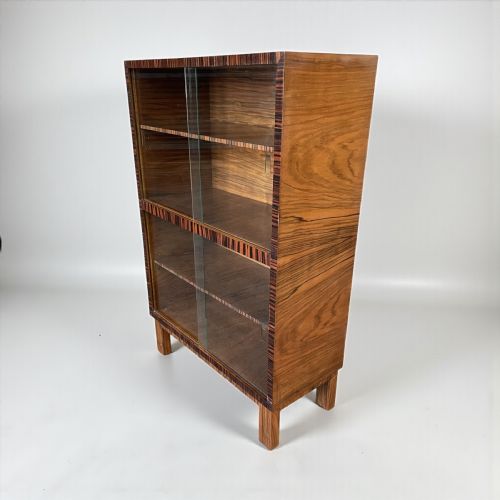


Retro Bookcase
A retro bookcase brings mid-century character and practical shelving into a modern room, offering warm timber tones alongside clean architectural lines.
Retro Bookcase
A retro bookcase encompasses a variety of storage furniture originating primarily from the twentieth century, including open shelving units, enclosed display cabinets, and modular setups. When searching for a retro bookcase, buyers encounter pieces spanning the Edwardian period through to the 1950s, with a strong representation of 1930s design.
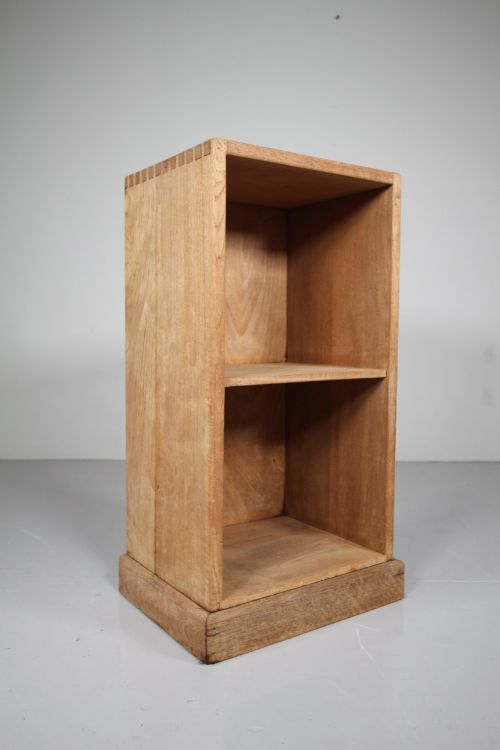
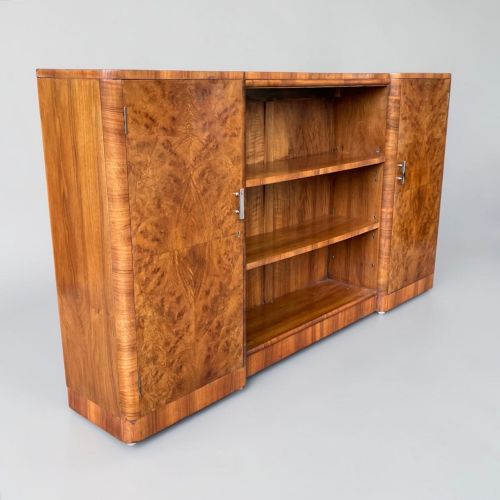
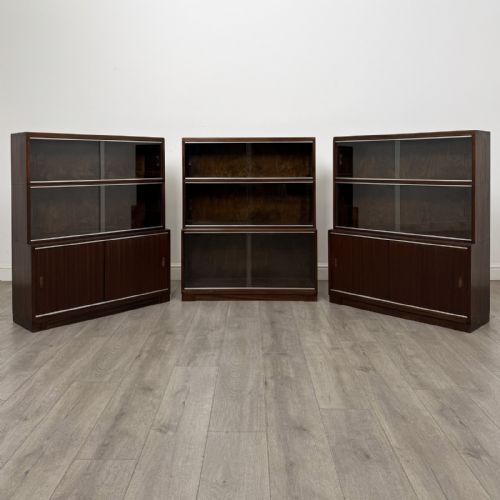
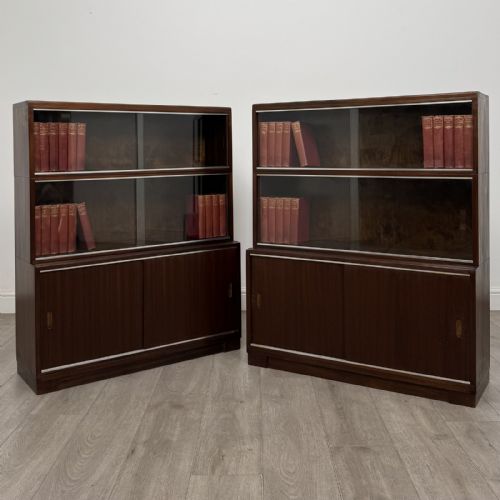
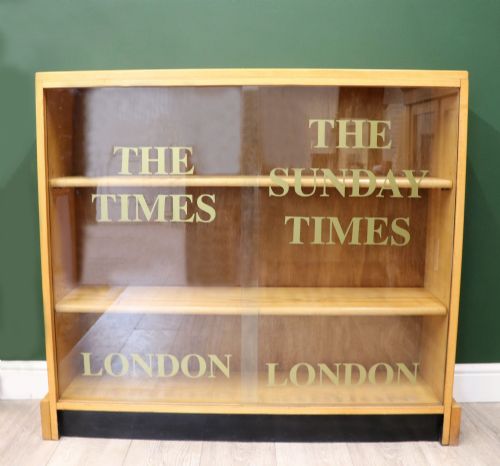
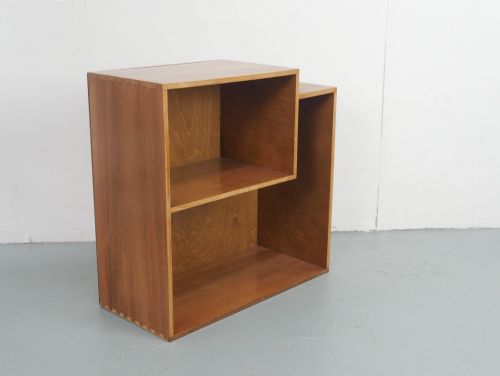
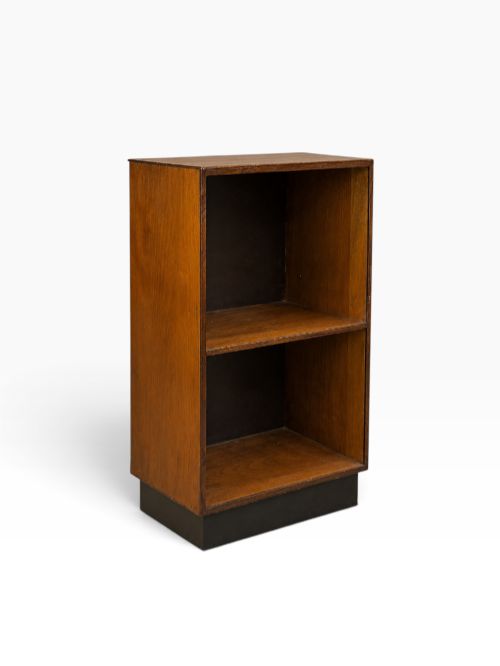
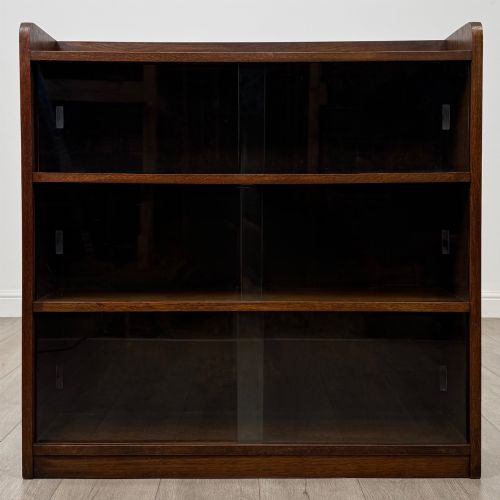
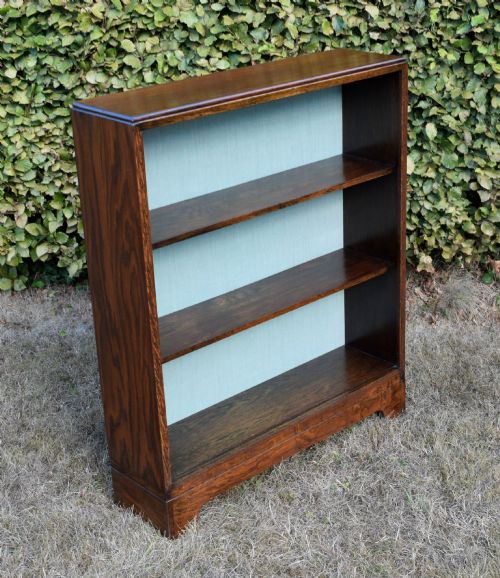
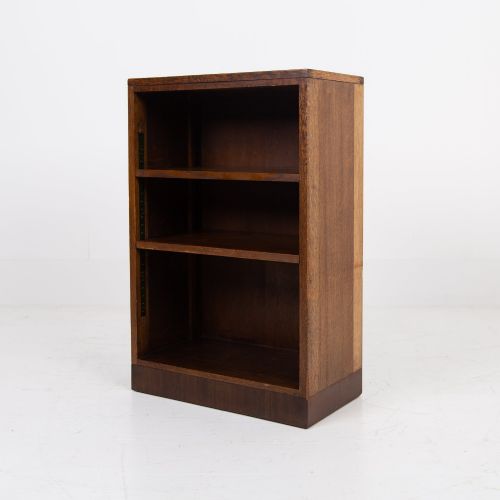
The physical forms on this page range from compact open oak shelves to substantial walnut display cabinets featuring sliding glass doors and breakfront layouts. Mid-Century Modern and Art Deco styling heavily influence the selection, alongside early twentieth-century British craftsmanship and traditional Edwardian construction.
Buyers will find both dedicated bookcases and hybrid units that double as display cabinets or modular shelving systems. These pieces suit modern living rooms and studies alike, providing functional book storage while retaining distinct vintage proportions.
Materials and construction methods
Construction relies heavily on traditional timber frames combined with decorative wood veneers such as burr walnut, mahogany, and ash. Cabinet makers utilised these materials to create striking grain patterns, particularly across the front facades of Art Deco and mid-century items.
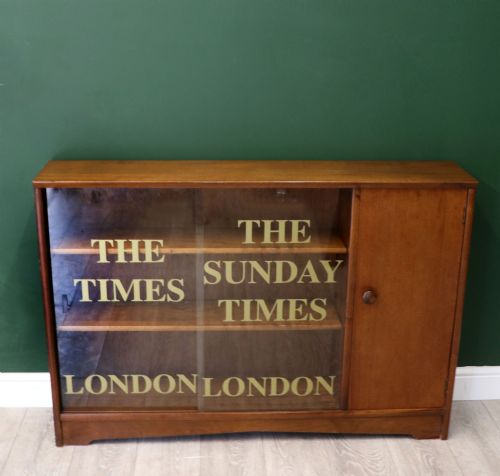
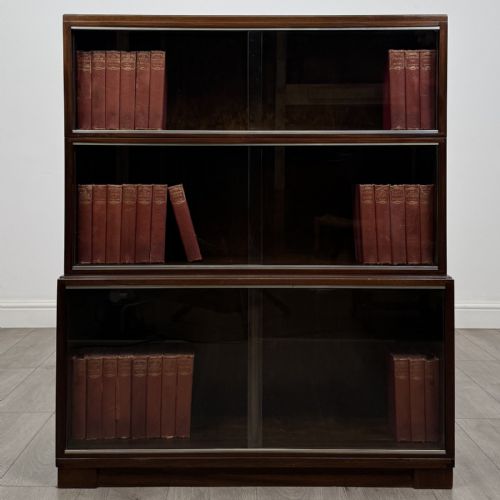
Glazing is a common feature, implemented through sliding glass doors that protect books and displayed objects while maintaining a streamlined profile. Additional details include brass hardware, leather tops on specific open models, and sycamore contrasting elements within larger cabinetry.
Retro Bookcase Retail Price Guide 2026
Typical asking prices for retro bookcase among the pieces listed under this phrase on Sellingantiques today, from the lower quarter to the upper quarter. They describe what is for sale here now, not the wider market.
Listings feature items spanning the Edwardian era through the 1950s, with walnut, mahogany, and oak dominating the materials.
Factors that define quality
Quality in these bookcases rests on the selection and matching of wood veneers and solid timbers, where deliberate grain alignment elevates the visual impact. Finer examples display meticulous attention to joinery, particularly around sliding glass tracks and internal shelving supports.
The presence of designated maker attribution or gallery provenance distinguishes standard production items from distinguished studio pieces. Superior execution is also evident in the crispness of Art Deco geometric lines and the integration of secondary woods like sycamore and brass fittings.
Epstein·Heals·Arthur Reynolds Of Ludlow·Phoenix Gallery
The Retro Bookcase Glossary
- Art Deco
- A design style spanning the 1920s and 1930s characterised by streamlined geometric shapes, stylised motifs, and modern industrial materials. It dominates the aesthetic of many twentieth-century bookcases.
- Breakfront
- A piece of furniture where the central section projects forward from the flanking outer sections. This architectural arrangement adds depth and visual interest to larger display cabinets.
- Edwardian
- The period of British history spanning from 1901 to 1910, known for furniture that often reinterpreted earlier historical styles with lighter proportions. Oak display cabinets from this era appear in early twentieth-century listings.
Retro Bookcase: Frequently Asked Questions
How do I style a retro bookcase?
Combine vertical stacks of books with ceramics and glassware to break up the shelf lines. Leave some empty space around objects to highlight the timber frame.
Position the bookcase away from direct heat sources to protect the wood veneers and maintain the finish of the glass doors.
What woods were used for retro bookcases?
Makers utilised oak, mahogany, walnut, and ash, frequently applying decorative veneers to the exterior surfaces. Solid timbers were generally reserved for structural frames and open shelving units.
Contrasting woods like sycamore occasionally appear inside cabinets to highlight shelving compartments and interior details.
How do I date a retro bookcase?
Examine the overall silhouette, hardware, and timber choices to determine the likely manufacturing era. Art Deco geometric forms typically point to the 1930s, while heavier oak mouldings suggest Edwardian or 1920s origins.
Maker stamps, gallery labels, and construction techniques inside the cabinet doors also provide direct clues to the production period.