
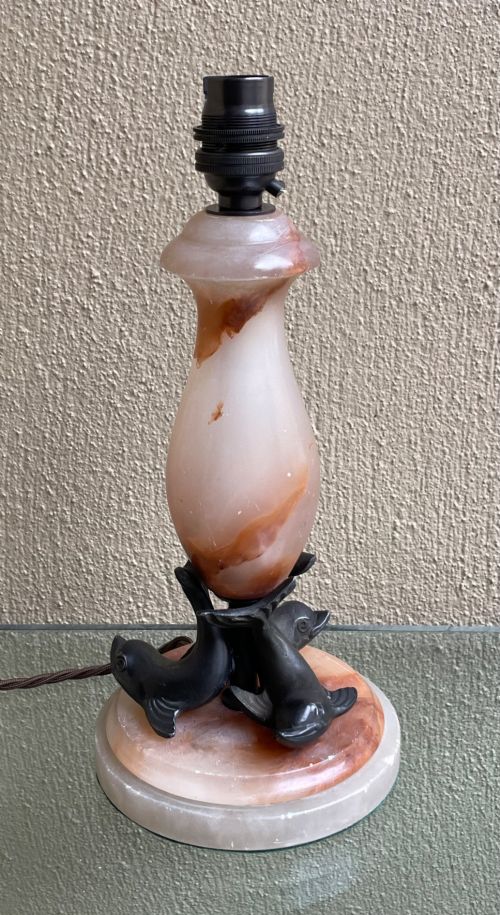


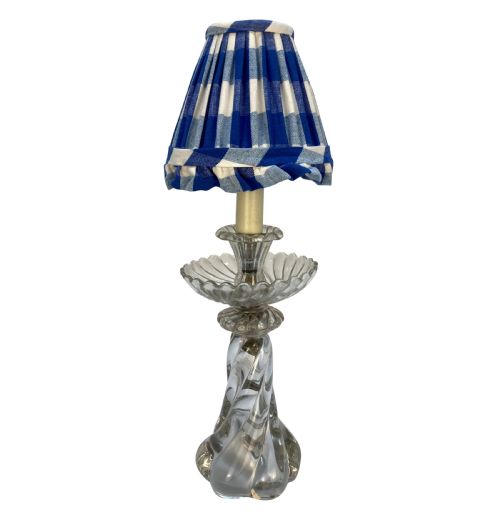


Retro Accent Lamp
A retro accent lamp brings character to a corner, combining period materials like chrome, brass and mottled glass with striking decorative forms.
Retro Accent Lamp
A retro accent lamp serves as a smaller lighting piece designed to highlight a specific area of a room rather than illuminate a whole space. When exploring this selection of items matching the phrase retro accent lamp, buyers encounter various forms primarily drawn from the nineteen-thirties, featuring distinct silhouettes and compact proportions.
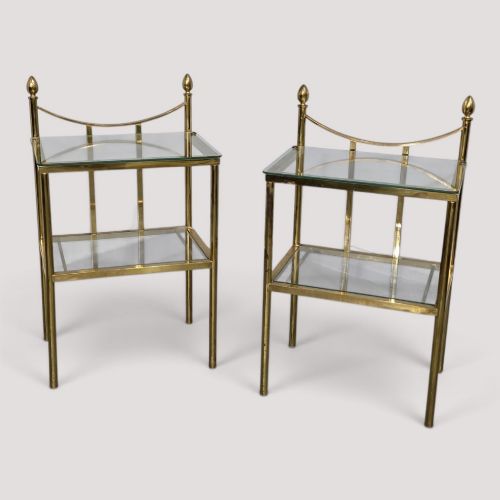
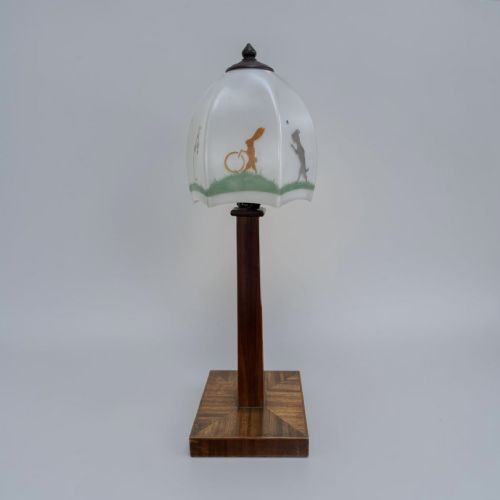
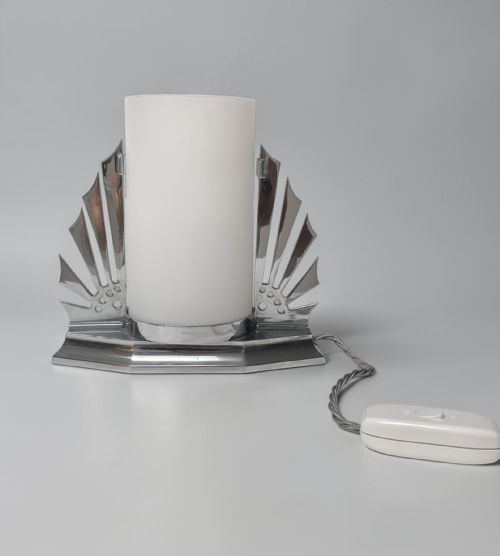
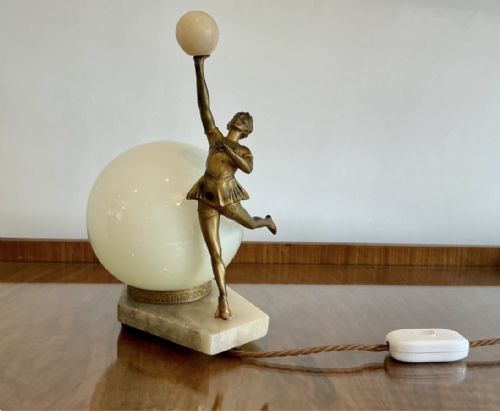
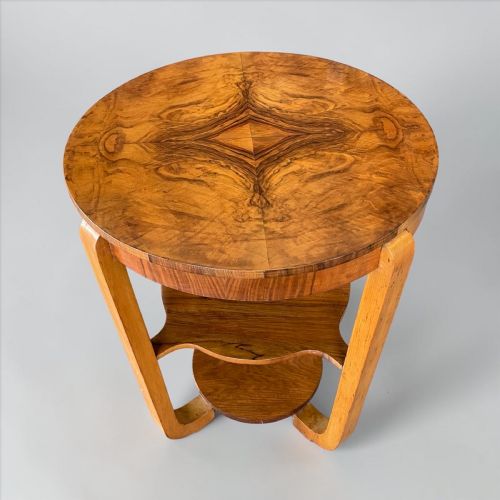
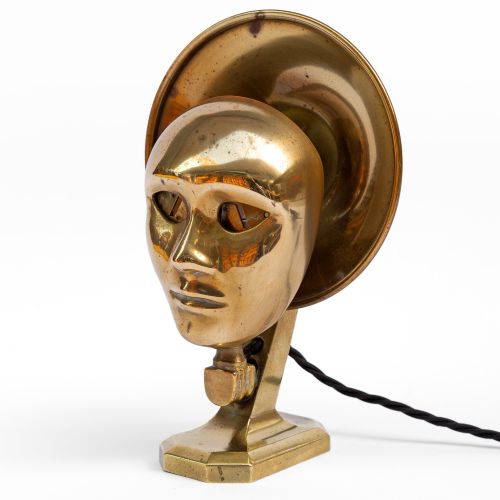
The dominant aesthetic across these objects leans heavily towards the Art Deco movement, alongside touches of Hollywood Regency and earlier Arts and Crafts influences. Common iterations include figural designs featuring dancers or animals, geometric glass shades, and combined lamp tables that integrate illumination directly into small occasional furniture.
While most examples date from the interwar decades, the selection also includes nineteenth-century bronze and opaline glass pieces as well as occasional nineteen-twenties oak and alabaster creations. Table lamps and small side tables dominate the listings, offering practical ways to introduce period atmosphere into modern interiors.
Materials and construction
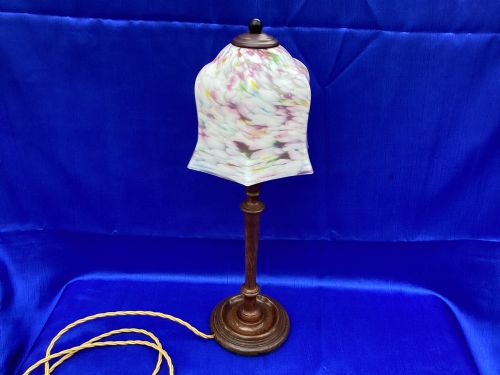
The construction of these pieces relies on a careful pairing of metals and glass, utilising cast brass, polished chrome, and heavy spelter for structural bases and sculptural figures. Glass components range from mottled and frosted finishes to delicate crystal and moulded tulip shades.
Makers incorporated natural and manufactured elements such as walnut, maple, oak, mahogany, marble, and alabaster to anchor the designs and add textural contrast. Celluloid and fabric also appear in specific smaller lighting applications, showing the varied industrial techniques of the early twentieth century.
Listings feature pieces spanning the nineteenth century through to the nineteen-forties, uniting materials like marble, walnut, brass, and frosted glass.
Distinctions in quality
Quality in these lighting pieces rests on the weight and purity of the materials, separating solid cast metals and genuine carved alabaster from lighter, plated alternatives. Superior examples display crisp definition in figural castings and precise joins between glass shades and metal mounts.
The sophistication of the design execution also dictates the standing of a piece, with recognised stylistic touches like layered geometric glass or integrated two-tier table construction demonstrating higher workshop ambition.
Charles Schneider·Karl Palda
The Retro Accent Lamp Glossary
- Art Deco
- A design style emerging in the nineteen-twenties and thirties characterised by sleek geometric shapes, stylised figures, and stylised motifs. It remains the defining aesthetic for the majority of pieces in this category.
- Spelter
- An alloy of zinc and lead used widely as a cost-effective substitute for bronze in decorative figures and lamp bases. It takes patination and metallic paint finishes readily.
- Opaline glass
- A type of semi-translucent white or tinted glass that diffuses light softly, frequently utilised for Victorian and early twentieth-century shades. It achieves its milky appearance through the addition of bone ash or opacifying agents.
- Up-lighter
- A lighting configuration designed to project illumination upwards towards the ceiling rather than downwards. French tulip examples often employ this method to create ambient mood lighting.
Retro Accent Lamp: Frequently Asked Questions
How do I style a retro accent lamp?
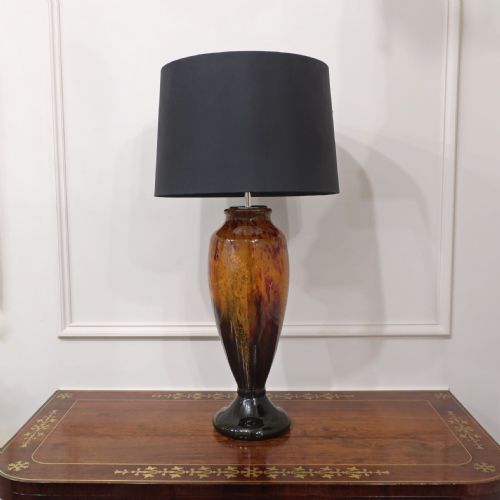
Position your lamp on a low sideboard, a dedicated lamp table, or a desk where its specific form can be appreciated without clutter. Pairing it with complementary materials like polished wood or glass helps tie the piece into an existing room scheme.
Because these are accent pieces, use them to create pools of warm, low-level illumination rather than relying on them for general room brightness. They work particularly well in corners or reading areas that benefit from focused, atmospheric light.
What periods do these lamps cover?
The majority of pieces originate from the nineteen-twenties and nineteen-thirties, capturing the height of the Art Deco movement and modernist experimentation. You will also encounter occasional nineteenth-century examples involving bronze and opaline glass.
Stylistic influences range from traditional English and Arts and Crafts to Hollywood Regency and Mid-Century Modern. This variety reflects changing domestic tastes across several decades of decorative lighting design.
Are these lamps suitable for daily use?
These lamps function well for everyday domestic environments provided they are wired safely and used with appropriate modern bulbs. Many owners choose to have vintage wiring checked or updated by a professional electrician before regular deployment.
Handle delicate glass shades and intricate figural components with care during cleaning and bulb changes. Gentle dusting with a dry cloth is usually sufficient to maintain the finish of metal and glass surfaces.
How can I identify Art Deco lighting?
Look for characteristic geometric lines, stylised representations of animals or the human form, and symmetrical arrangements of chrome, brass, and glass. Motifs inspired by speed, technology, and cinema often appear in the metalwork and shades.
Many pieces combine lighting with functional furniture, such as occasional tables or tiered stands. This integration of utility and bold decoration is a hallmark of the nineteen-thirties aesthetic.