



Regional English Furniture
Regional English furniture brings the honest craft of local workshops into the home, offering robust seating and storage rooted in British timber traditions.
Regional English Furniture
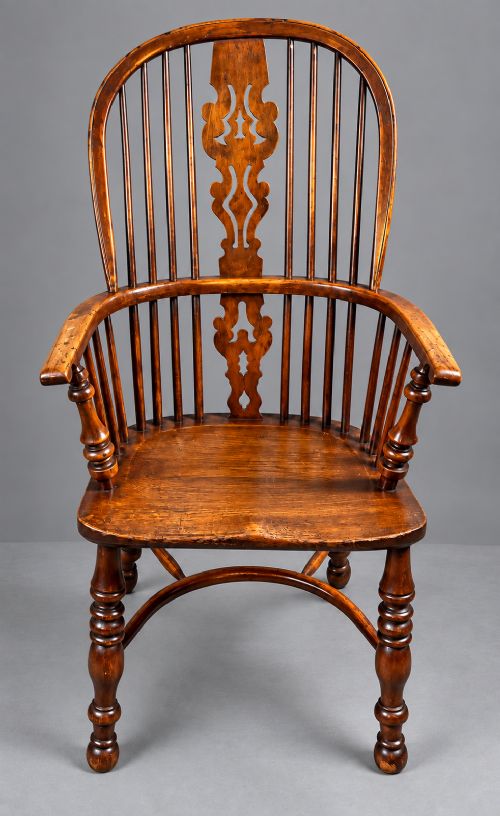
When you search for regional english furniture, you encounter pieces designed outside major metropolitan centres, shaped by local tastes and readily available native timbers. These practical items include armchairs, spindleback chairs, windsor chairs, and wall shelves intended for everyday domestic use.
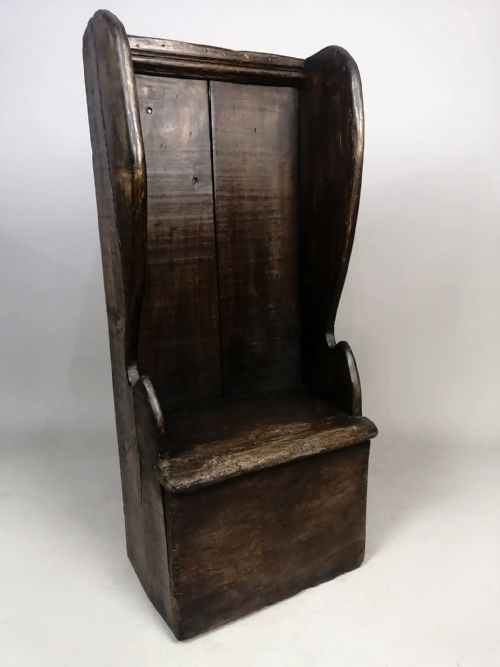
The pieces on this page span the seventeenth, eighteenth, and nineteenth centuries, taking forms such as high-backed windsor chairs, lambing chairs, and hanging racks. English country, georgian, and vernacular traditions dominate the selection, reflecting the distinct character of regional joinery.
Materials and Construction
Makers utilised native hardwoods such as elm, yew, ash, fruitwood, and oak, often combining multiple timbers within a single piece to suit structural demands. Yew and burr yew provided striking grain patterns for prominent components, whilst elm and ash offered the strength needed for seats and spindles.
Construction relies on traditional stick-back, comb-back, and spindle-back methods, uniting solid planks and turned members without complex urban ornamentation. Wall shelves and chairs alike demonstrate straightforward joinery focused on durability and function.
Regional English Furniture Retail Price Guide 2026
Typical asking prices for regional english furniture among the pieces listed under this phrase on Sellingantiques today, from the lower quarter to the upper quarter. They describe what is for sale here now, not the wider market.
Current listings feature pieces spanning the seventeenth to the nineteenth centuries, executed primarily in elm, yew, ash, and fruitwood.
Assessing Quality
Quality rests upon the selection of timber and the confidence of the turning, where deeply figured yew or substantial elm planks elevate a piece above standard utility items. Maker attribution through stamped signatures or documented regional traits adds distinction to individual chairs.
Proportion and the preservation of original surfaces dictate the standing of a piece within the field. Examples retaining untouched patination and robust structural integrity represent the highest standard of country craftsmanship.
Gabbitass of Worksop·John Moss Worksop
The Regional English Furniture Glossary
- Windsor chair
- A wooden chair featuring a saddle-shaped seat into which the legs and back spindles are independently jointed. This form developed distinct regional variations across the English countryside.
- Lambing chair
- An enclosed armchair traditionally fitted with high wooden wings to shield the occupant from drafts. These pieces often incorporated a low seat and under-seat storage.
- Comb-back
- A chair back construction where vertical spindles rise through a bentwood arm bow and terminate in a distinct top rail resembling a comb. It provides sturdy support in vernacular seating.
- Spindleback
- A chair design characterised by a backrest composed of multiple slender turned vertical members. This traditional method creates a light yet rigid frame.
- Burr yew
- A growth deformity in yew trees that produces swirling, highly decorative grain patterns. Makers utilised this timber for prominent chair seats and crests.
Regional English Furniture: Frequently Asked Questions
What defines regional english furniture?
It encompasses items made by local country craftsmen using native timbers rather than imported mahogany or walnut favoured by London makers. The forms adhere to regional traditions dictated by available materials and local domestic needs.
Pieces range from seventeenth-century lambing chairs to nineteenth-century windsor armchairs, each displaying the practical ingenuity of rural workshops.
How do I identify a windsor chair?
A windsor chair is built around a solid carved wooden seat that acts as the central chassis for all other components. The legs and back spindles fit directly into drilled holes in this thick seat plank.
Regional variations appear in the back design, such as comb-backs, wheelbacks, or high stick-backs, reflecting the specific district where the chair was made.
Which woods were commonly used?
Country makers relied on indigenous British hardwoods such as elm, ash, yew, fruitwood, and oak. Elm provided a tough, anti-splitting surface ideal for solid chair seats.
Yew and fruitwood supplied rich colour and decorative grain for spindles, arms, and prominent upper sections.
How should I care for antique timber?
Keep wooden furniture away from direct heat sources and rapid temperature fluctuations that cause timber to dry and split. Maintain a stable indoor climate to protect the historic structure and finish.
Apply traditional beeswax sparingly to nourish the wood and preserve the natural patination built up over centuries of use.