
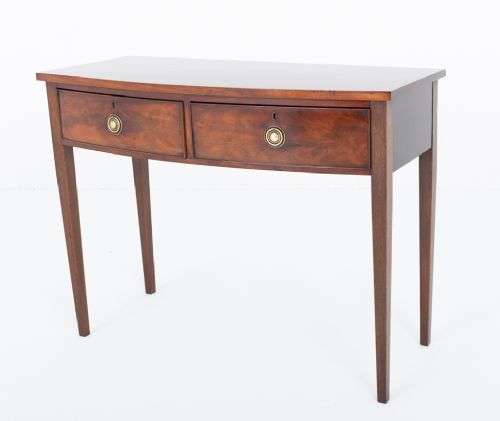
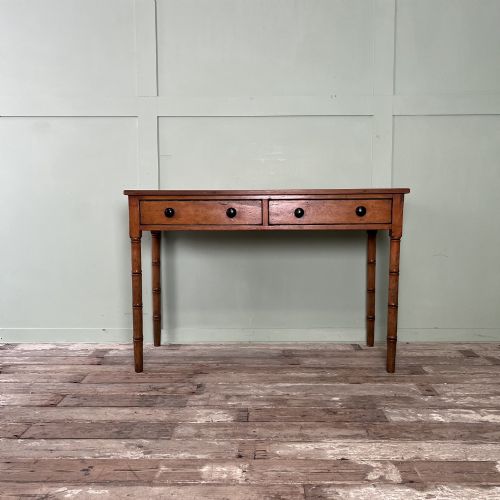
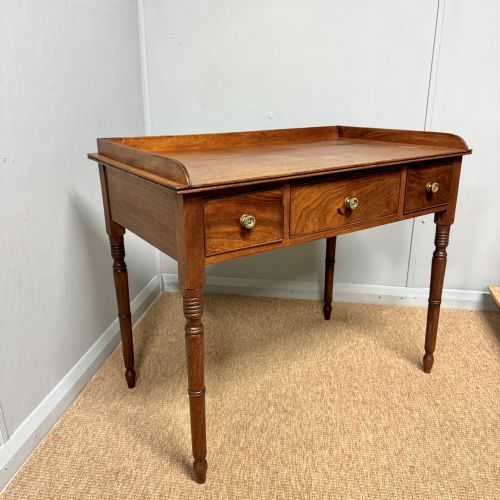
Regency X Leg Desk
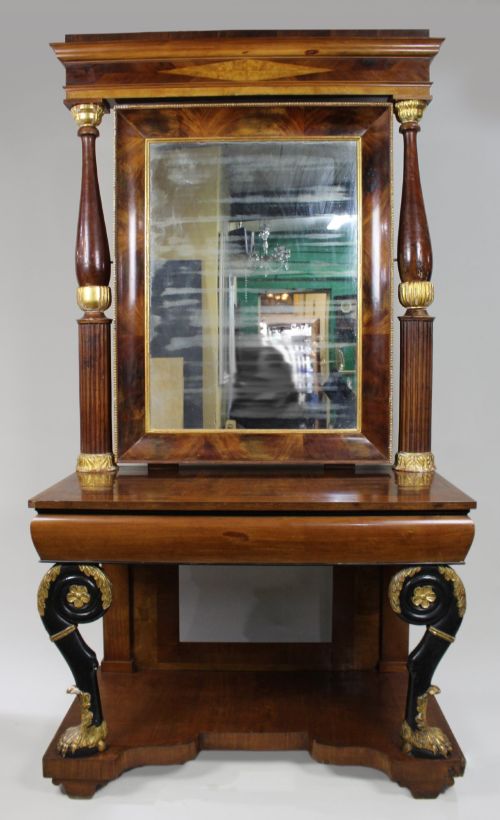
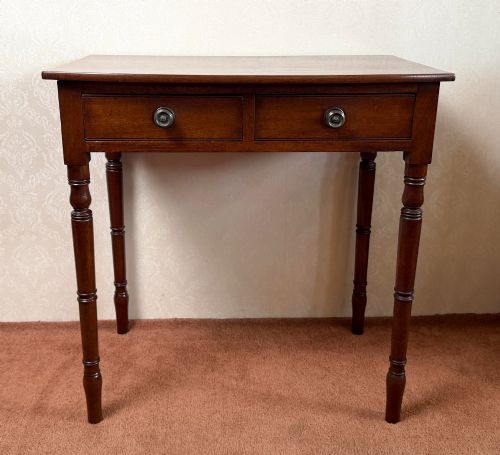
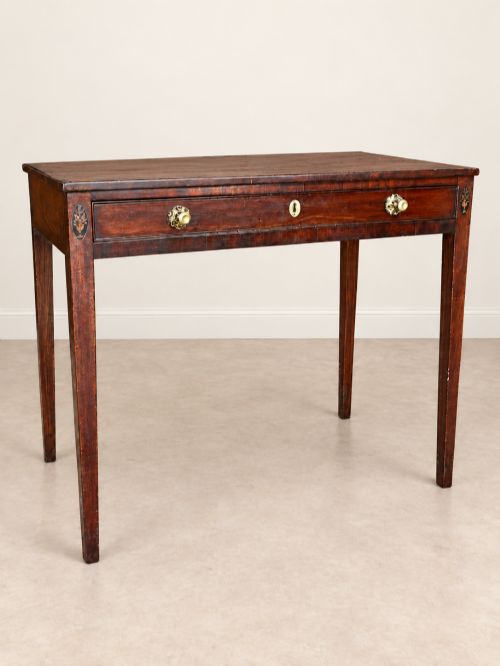
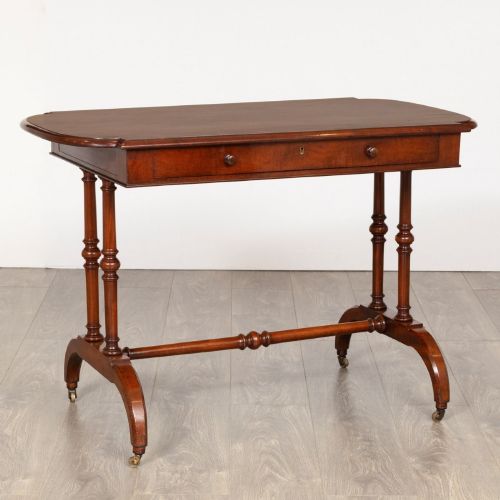
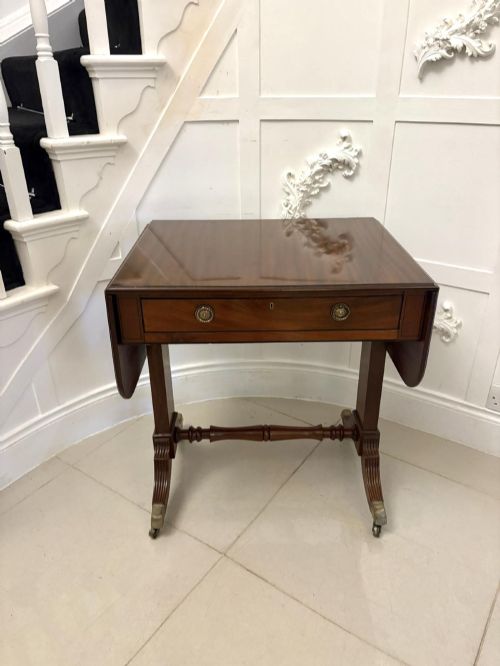
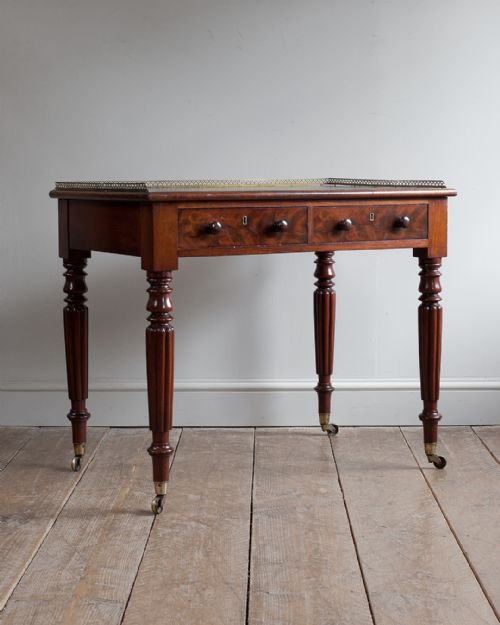
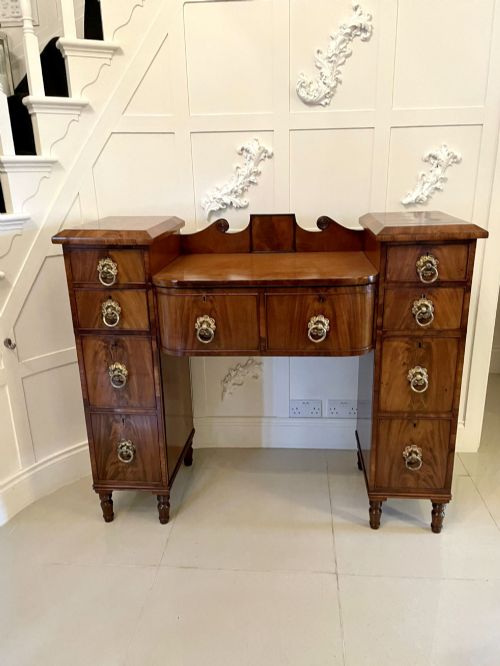
These regency x leg desk examples combine crisp neoclassical lines with timber frames, offering a practical workspace defined by unmistakable character.
Regency X Leg Desk
When you search for a regency x leg desk, you enter a field populated largely by writing tables, writing desks, and library tables produced across the nineteenth century and later revival periods. The forms range from compact ladies work tables to substantial freestanding writing surfaces.
Most entries show the characteristic architectural framing and rich timbers typical of the Regency, Georgian, and William IV eras. Alongside authentic period pieces, you will encounter later revival interpretations dating into the twentieth century.
Makers and workshops of the period, such as Gillows, often utilised this structural support for freestanding pieces placed prominently in a room. The resulting tables combine utility with the clean geometry characteristic of neoclassical design.
Materials and construction
Cabinet makers relied heavily on dense tropical hardwoods like mahogany and rosewood to provide the necessary rigidity for slender supporting frames. Finer examples incorporate brass inlay or satinwood details to accent the primary timber surfaces.
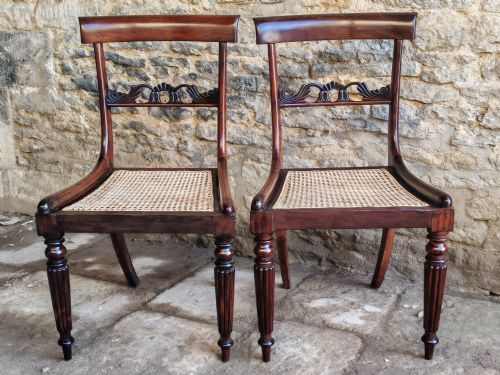
Working surfaces frequently feature inset leather panels, providing a durable writing plane that contrasts with the polished wood surrounds. Caning and velvet also appear on associated seating and specific table components, demonstrating a diverse material palette.
Joinery methods of the nineteenth century prioritised mechanical stability in freestanding furniture, ensuring that crossing leg structures remained firm under daily use. Timber selection was guided by grain figure and depth of colour, particularly in rosewood and figured mahogany.
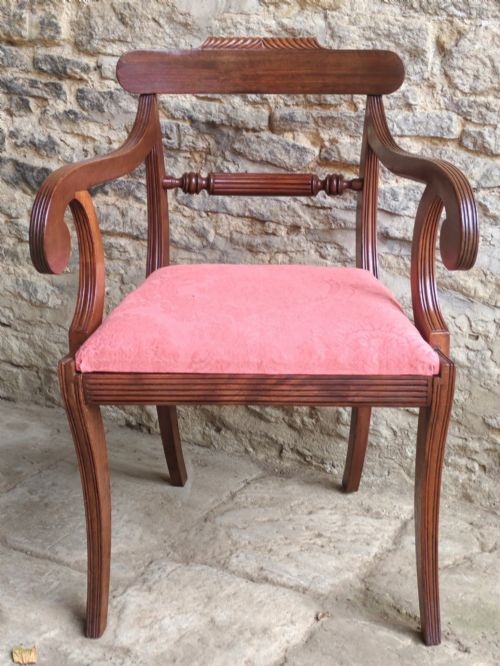
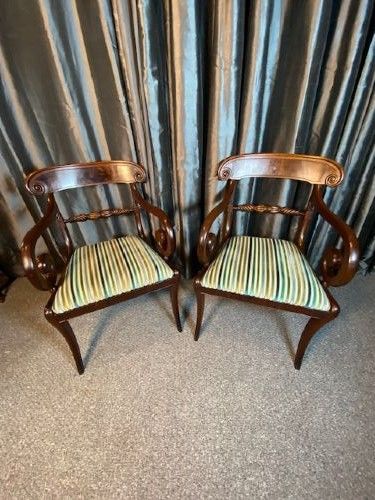
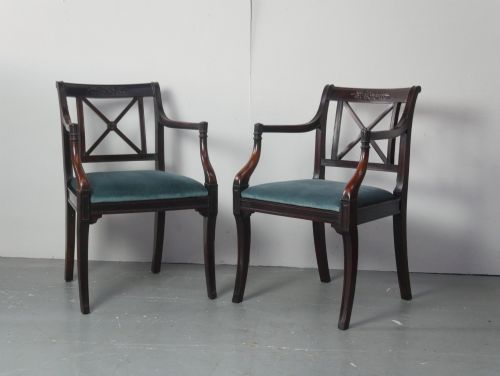
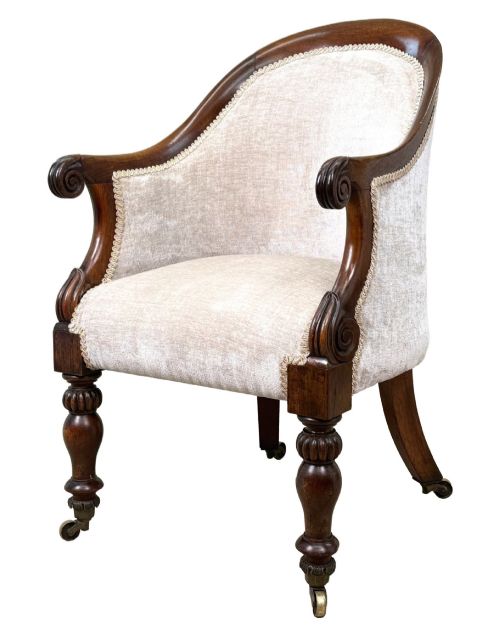
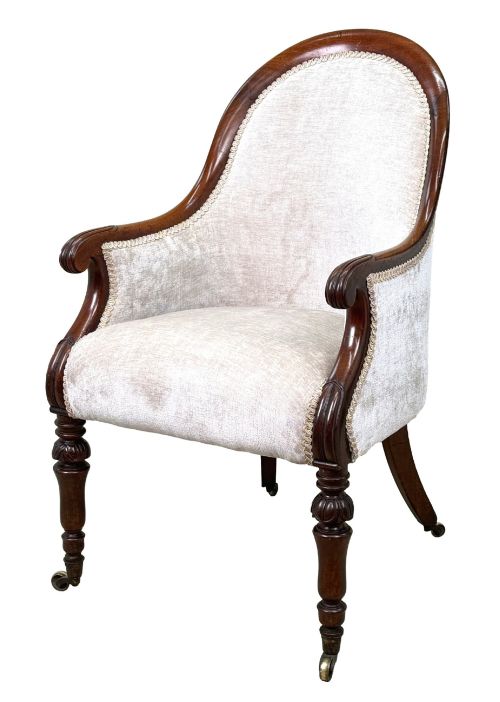
Several armchairs on display double as library companions, ready to hold a reader steady while they ponder nineteenth-century prose.
Judging the standard
Quality rests primarily in the crispness of the timber carving and the precision of the brass or inlaid details. Superior examples exhibit tightly fitted joints and substantial timber thickness without appearing overly heavy.
The choice of primary wood dictates much of the visual weight, with richly figured rosewood and well-chosen mahogany sitting at the upper end of the range. Secondary timbers used in drawer construction and internal framing further distinguish workshop output.
Proportion and stance define the visual success of the piece, particularly where crossing legs meet the main body of the table. Pieces attributed to documented workshops generally display a greater refinement in these structural transitions.
Gillows·James Mein of Kelso·George Smith
The Regency X Leg Desk Glossary
- Regency
- A British design period spanning the early nineteenth century, characterised by classical revival motifs and architectural restraint. It draws heavily on ancient Greek, Roman, and Egyptian precedents.
- Rosewood
- A dense, heavily figured timber with dark grain patterns, prized for high-end cabinet making throughout the nineteenth century. It takes a high polish and provides a striking surface contrast.
- Freestanding
- Furniture finished on all sides so that it can sit away from a wall in the middle of a room. This approach requires careful detailing of the back and undercarriage.
- Satinwood
- A pale, lustrous timber from the tropics used for banding, inlay, and occasional furniture veneers. It offers a bright contrast against darker woods like mahogany.
Regency X Leg Desk: Frequently Asked Questions
How do I identify a genuine period piece?
Examine the timber shrinkage, construction methods inside the drawers, and the overall wear patterns on the feet and handles. Period pieces display hand-cut dovetails and timber seasoning consistent with nineteenth-century cabinet making.
Compare the proportion and decorative details against documented examples from the same era. Revival pieces often utilise machine-sawn timber and lack the subtle patination acquired over generations of use.
Where should I place a freestanding table?
Position these pieces in the centre of a room or behind a sofa where all sides remain visible. Because they were designed to be viewed from every angle, placing them against a wall hides the finished back and framing.
Ensure the surrounding lighting highlights the grain of the mahogany or rosewood surface. Keep them away from direct heat sources to prevent the timber and leather writing inserts from drying out.
How do I care for leather desk inserts?
Clean the leather surface gently with a slightly damp cloth, avoiding harsh chemical cleaners or excessive moisture. Apply a specialised leather dressing periodically to maintain suppleness and prevent cracking.
Protect the writing plane from ink spills and sharp objects by using appropriate blotting paper. Consistent humidity control in the room prevents both the leather and the surrounding wood from contracting too rapidly.
What is the difference between Georgian and Regency styles?
Georgian design covers a broader eighteenth and early nineteenth century span, often featuring heavier carved mahogany and robust proportions. It evolved through various phases including Palladian and Chippendale influences.
Regency style represents a refined subset focusing on strict neoclassical archaeology, lighter framework, and sabre or crossing leg supports. It strips away ornate carving in favour of clean lines, brass mounts, and figured veneers.