
Regency Wooden Furniture
Regency wooden furniture brings structured elegance to rooms through polished timbers, clean lines and restrained brass details.
Regency Wooden Furniture
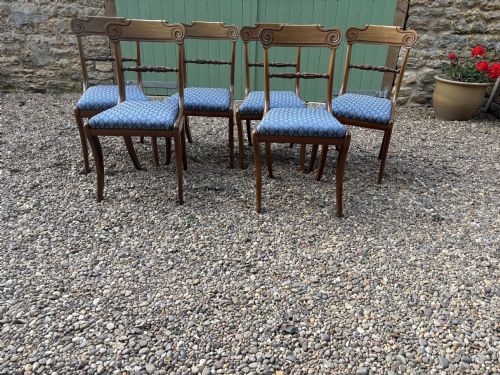
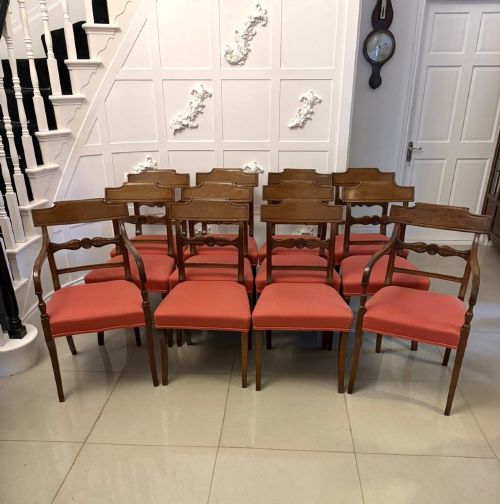
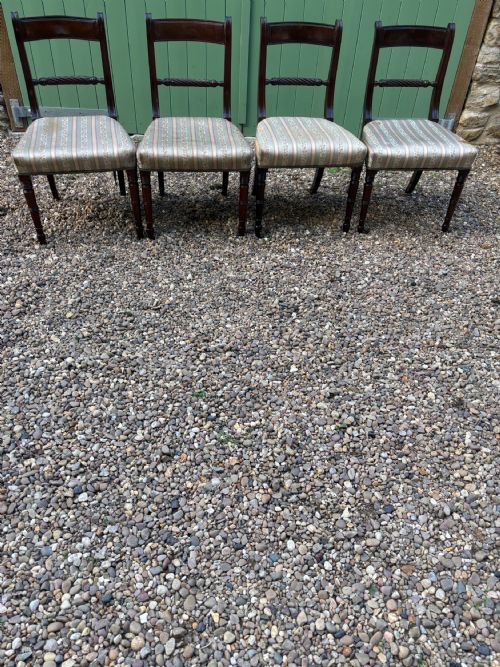
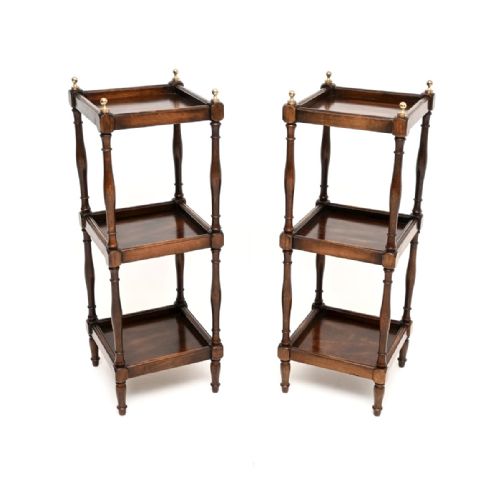
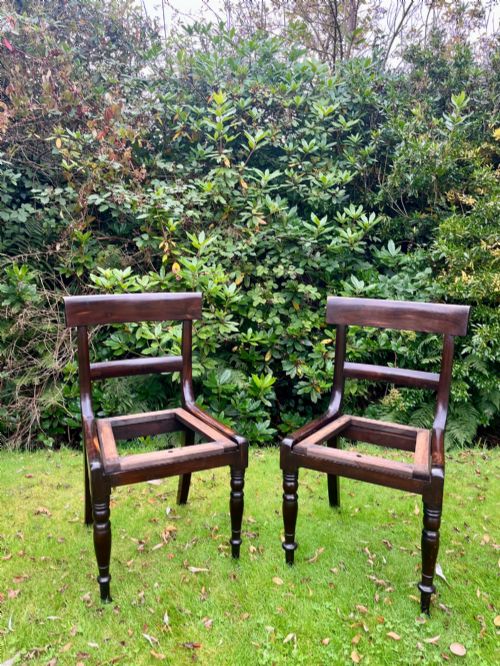
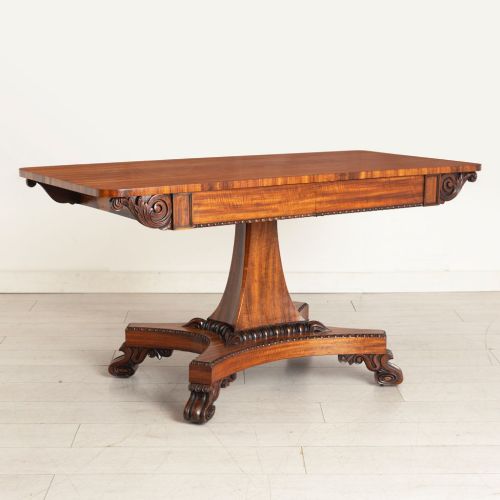
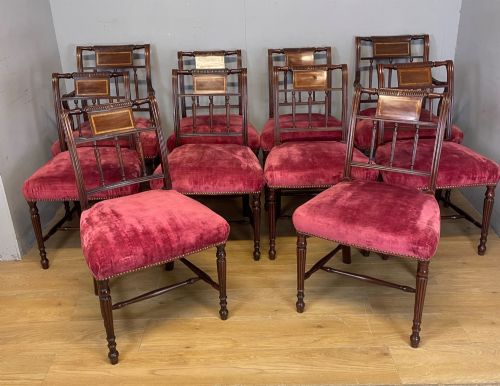
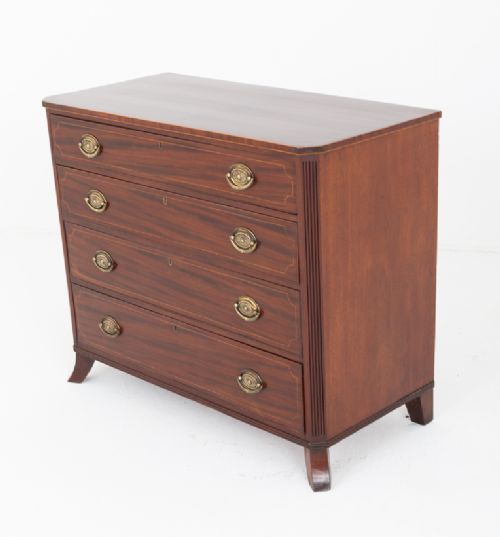
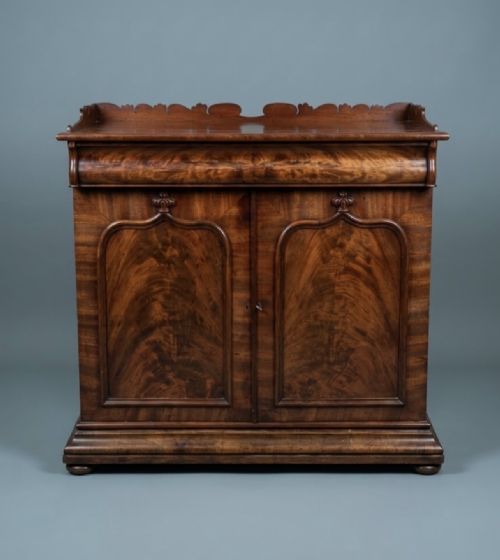
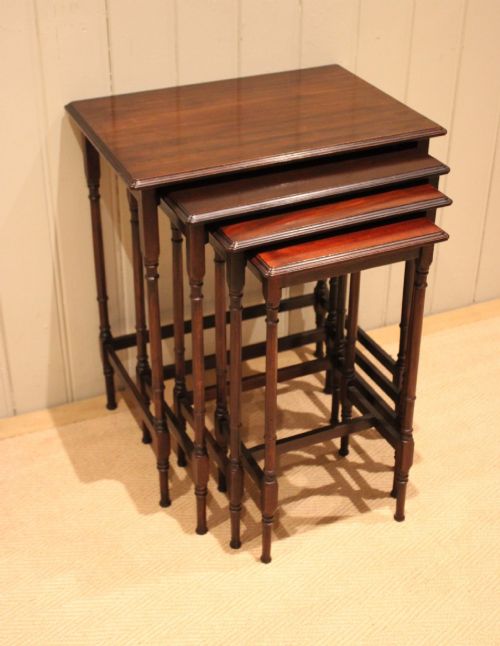
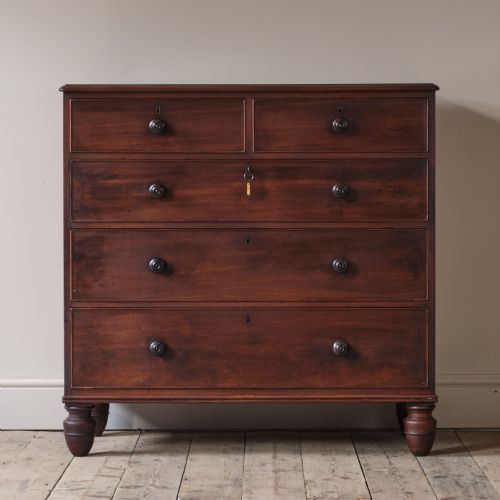
When buyers search for regency wooden furniture, they look at pieces designed across the late eighteenth and early nineteenth centuries, encompassing the Regency, George IV and William IV periods. The inventory on this page centres on practical household forms, dominated by chests of drawers, dining chairs, sideboards and occasional tables.
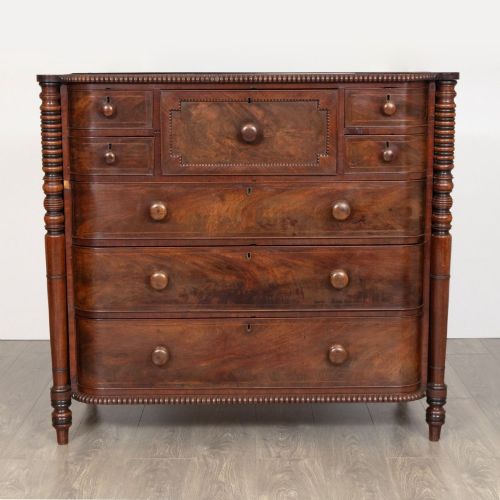
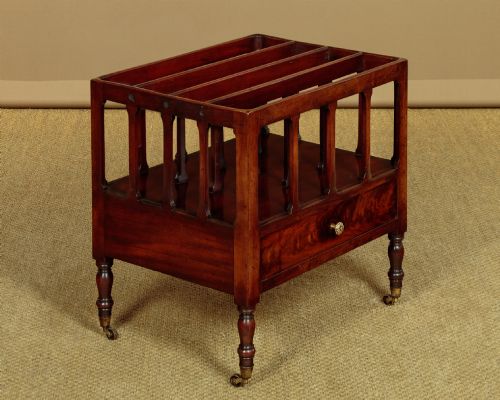
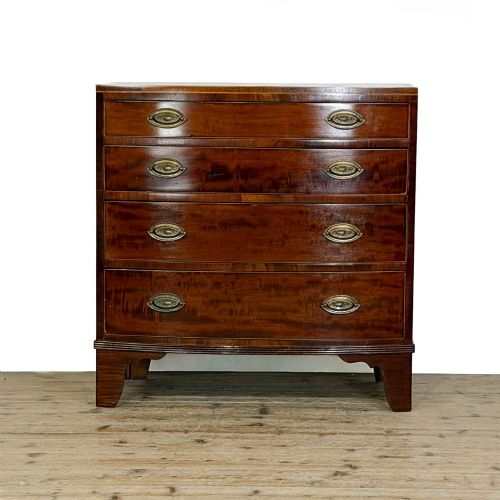
The chests of drawers appear frequently in bow front and straight configurations, alongside specialised items such as canterburies, washstands and dining tables. Alongside items from the strict Regency era, pieces span from Georgian roots through to later revivals from the twentieth century.
Materials and Technique
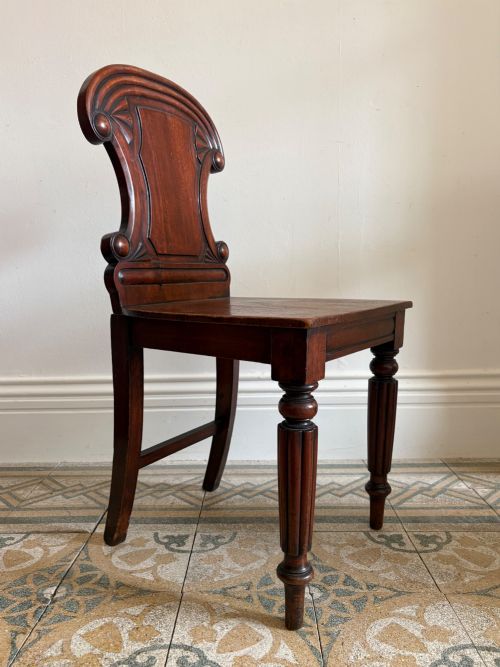
Construction techniques balanced structural integrity with surface display, utilising figured veneers over secondary timbers on larger case pieces like sideboards and chest of drawers. Turning, carving and precise joinery shaped the legs of dining tables, torchere stands and side cabinets.
Listings here feature mahogany, flame mahogany veneer, satinwood, oak, pine and walnut across the nineteenth-century and revival periods.
Quality and Distinction
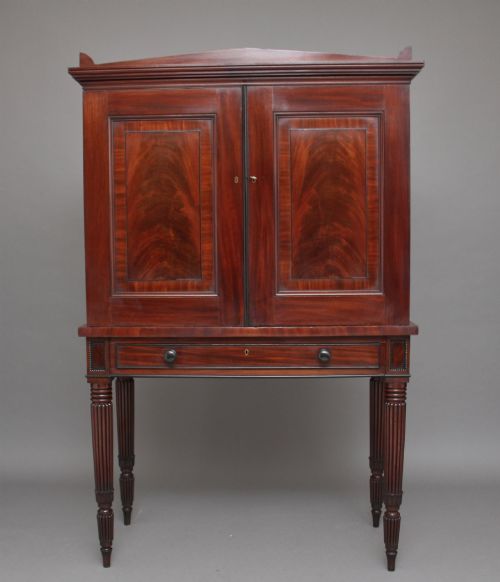
The distinction between standard examples and finer items rests in the selection of timbers, particularly the vibrancy and symmetry of flame mahogany veneer across drawer fronts and cabinet doors. Superior pieces display refined proportions and crisply executed details, such as inlaid brass work or finely turned chair legs, rather than purely mass-produced assembly.
Makers of note elevate individual pieces through accomplished cabinetwork, separating standard regional workshop output from documented commissions by established cabinet makers.
T G Seddon·James Mein of Kelso
The Regency Wooden Furniture Glossary
- Bow front
- A convex curved cabinet front, commonly seen on chests of drawers from this era to soften rectilinear room layouts.
- Canterbury
- A low stand with partitioned vertical sections, originally designed for holding sheet music or magazines.
- Flame mahogany
- A veneer cut from timber fork sections where branches meet the trunk, producing a rippling, flame-like grain pattern.
- Torchere
- A tall, slender stand designed to support a candlestick or decorative urn.
- Breakfront
- A cabinet or bookcase whose central section projects forward from the flanking sections.
Regency Wooden Furniture: Frequently Asked Questions
How do I identify Regency style?
Look for classical restraint, clean lines, and architectural symmetry drawn from ancient Greek and Roman design. These pieces often feature dark timbers contrasted with delicate brass inlay.
Decoration remains minimal compared to earlier ornate styles, relying instead on the natural figure of the wood and subtle reeded or sabre legs.
Were these pieces made only of mahogany?
Mahogany served as the primary timber, valued for its stability and rich red-brown colour, but other woods appear regularly. Cabinet makers utilised satinwood for lighter decorative surfaces and oak or pine for secondary structural elements.
Walnut and exotic veneers also feature in specific revival pieces and continental imports.
What is a canterbury used for?
A canterbury functions as a small multi-compartment stand designed to hold loose papers, books or musical scores near seating areas. Nineteenth-century households placed them in drawing rooms for everyday convenience.
Many examples include a low drawer beneath the partitions for smaller items.
How do I care for polished wood?
Protect antique timber surfaces by keeping them away from direct sunlight and maintaining stable room humidity to prevent veneer lifting. Regular dusting with a soft, dry cloth preserves the finish.
A light application of traditional beeswax feed restores lustre when the timber appears dry.