



Regency Style Drawers
Regency style drawers bring architectural elegance and practical storage to a room through balanced proportions and fine timber.
Regency Style Drawers
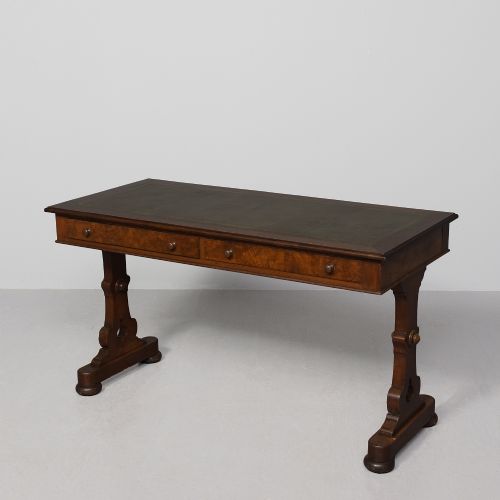
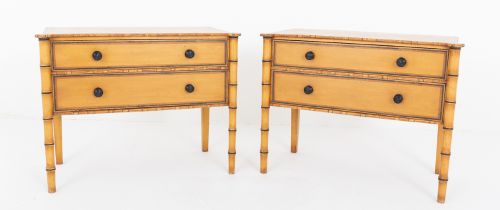
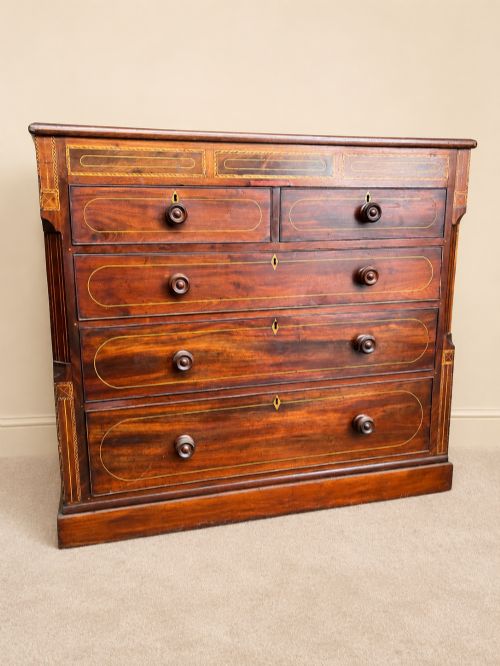
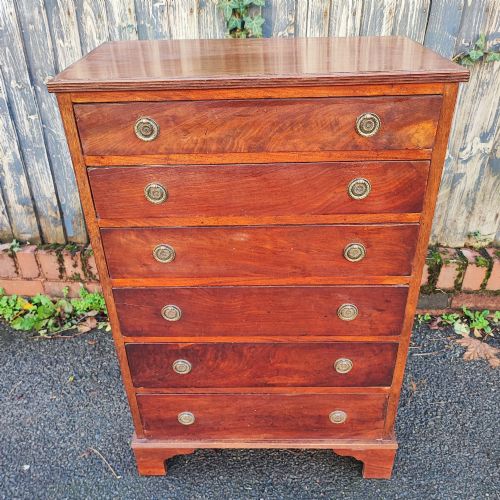
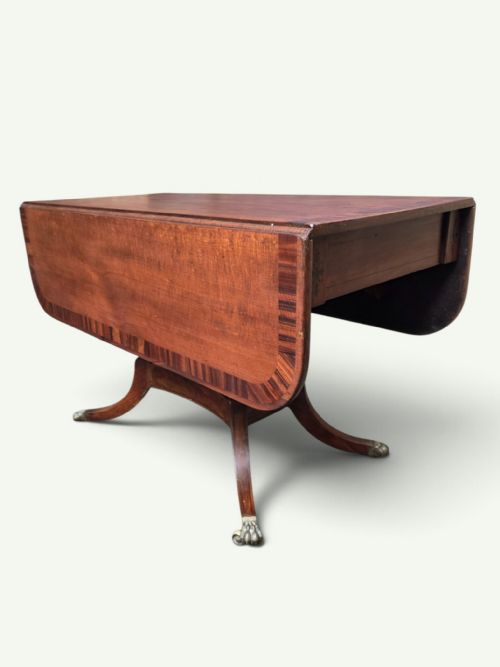
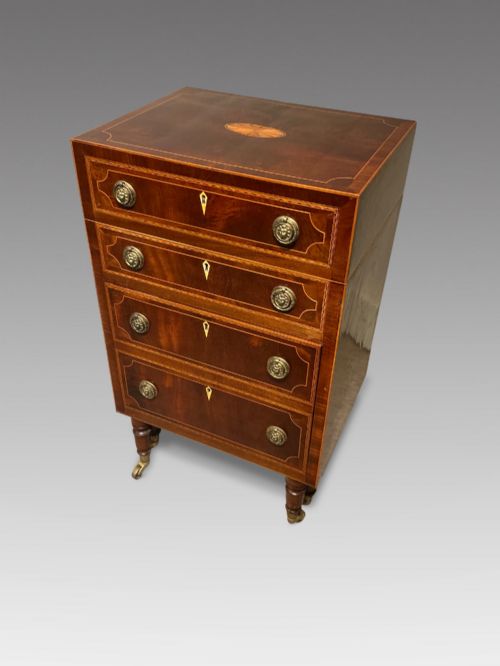
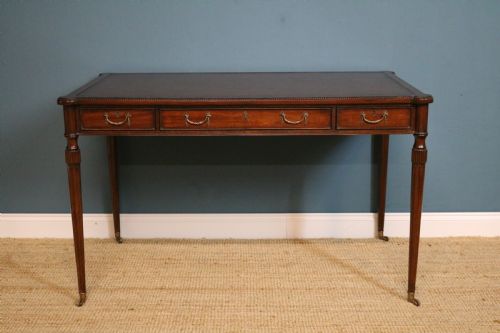
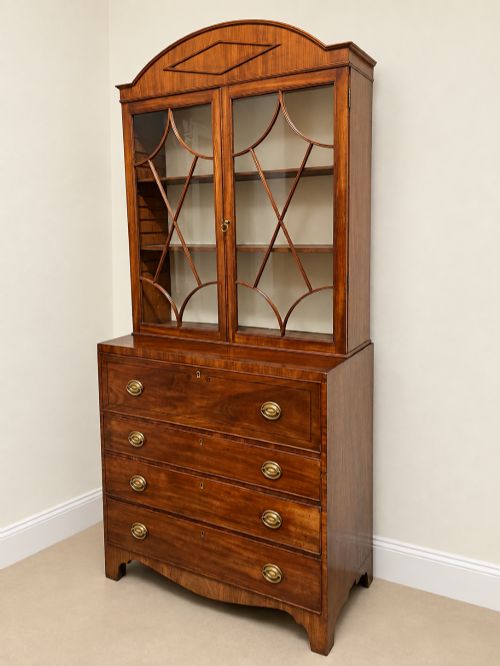
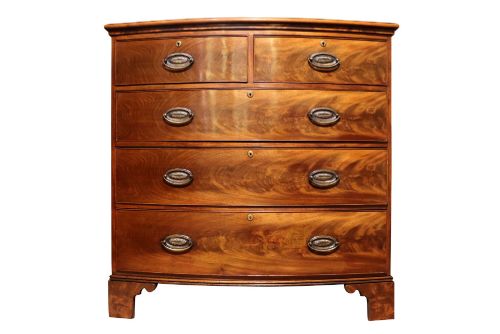
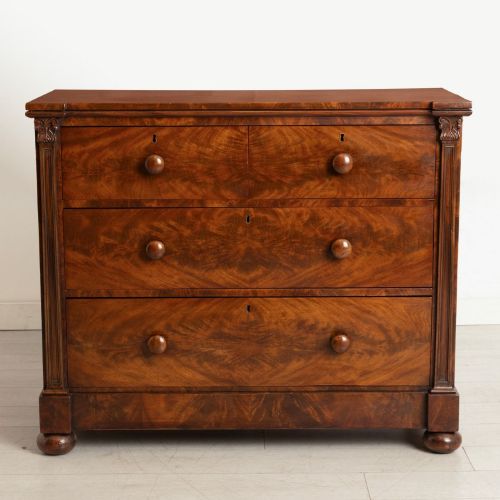
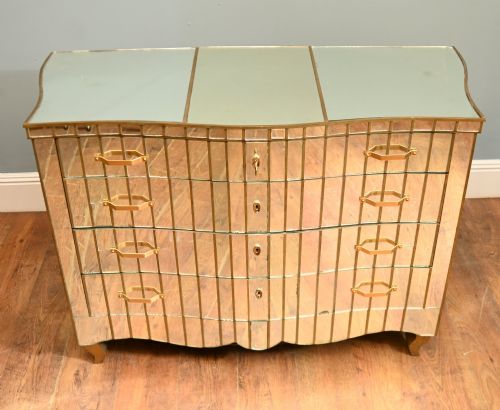
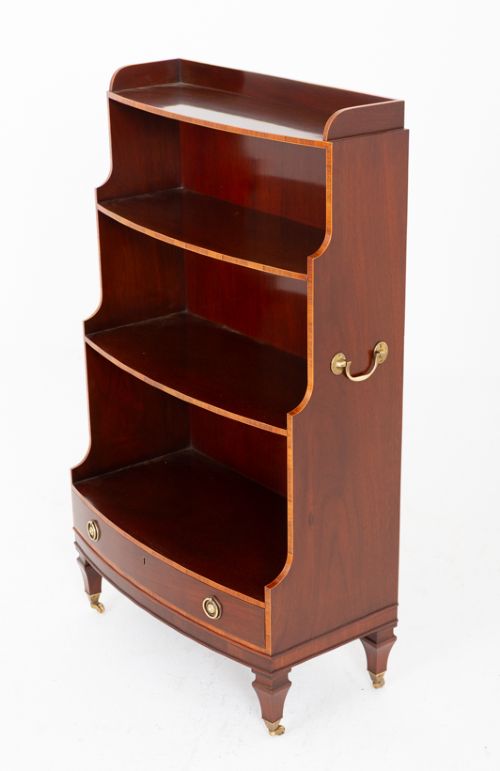
When you search for regency style drawers, you encounter a selection of case furniture and tables that draw inspiration from the early nineteenth century. Chests of drawers dominate the selection, appearing frequently in bow front and straight configurations alongside writing tables, sofa tables, and bedside chests.
The pieces on this page span several eras of production, originating from the actual Regency period as well as later revival phases including the Edwardian era, the 1920s, and the 1930s. Alongside authentic nineteenth-century examples, makers from subsequent decades recreated the clean lines and classical restraint of the style.
The primary forms include chests with bracket or paw feet, drop leaf sofa tables, and compact bedside tables. These items served functional roles in bedrooms, libraries, and withdrawing rooms, a purpose they continue to fulfil in modern interiors.
Materials and Construction
Mahogany forms the structural core of the majority of pieces, often selected for its rich grain and stability. Cabinet makers supplemented solid timbers with wood inlay, boxwood stringing, and figured veneers to create visual contrast across drawer fronts and table tops.
Detailing relied on specialised techniques such as ebonising, painting, and faux bamboo turning. Brass handles, leather inserts, and ormolu mounts complete the assembly, combining utilitarian hardware with decorative refinement.
Regency Style Drawers Retail Price Guide 2026
Typical asking prices for regency style drawers among the pieces listed under this phrase on Sellingantiques today, from the lower quarter to the upper quarter. They describe what is for sale here now, not the wider market.
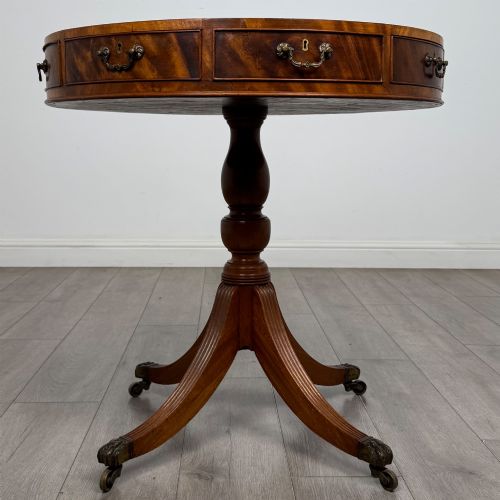
Some tables include hidden plan drawers or drop leaves designed to accommodate maps and embroidery.
Assessing Excellence
The distinction between ordinary and superior pieces rests on the choice of timber and the precision of the joinery. Figured mahogany veneers and finely executed boxwood stringing elevate a piece above standard production work.
Hardware and secondary details also dictate worth. Original brass handles, neatly fitted bracket feet, and crisp carving distinguish the finer examples from later, simpler interpretations.
Gillows of Lancaster
The Regency Style Drawers Glossary
- Bow front
- A convex curved cabinet front that swells outward at the centre. This shape softens the profile of a chest of drawers and reflects light across the timber grain.
- Bracket foot
- A corner foot shaped like a bracket, commonly found on chests of drawers from the Georgian and Regency periods. It supports the case while lifting the body slightly off the floor.
- Stringing
- A narrow inlay of contrasting wood used to outline drawer fronts and table edges. This technique creates a delicate linear border that defines the silhouette.
- Gallery
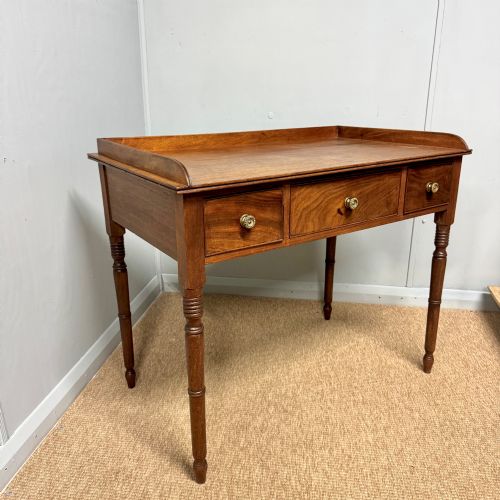
- A raised rim or railing along the top edge of a table or dressing piece. It prevents items from sliding off the surface.
Regency Style Drawers: Frequently Asked Questions
How do I spot a true Regency piece?
Examine the secondary woods, construction methods, and hardware style to determine age. Authentic pieces from the era display period-specific joinery and timber choices distinct from later revival work.
Compare the proportions and decorative motifs against documented examples from the early nineteenth century. Revival pieces from the twentieth century often reveal subtle differences in milling and finish.
Where should I place a sofa table?
Sofa tables function well behind a sofa, against a hallway wall, or as a freestanding writing desk. Their drop leaves allow them to adapt to spaces of varying dimensions.
The finished backs on these tables mean they do not need to rest against a wall. They sit comfortably in the middle of a room.
Are painted chests difficult to maintain?
Painted and decorated furniture requires gentle dusting and protection from direct sunlight to preserve the surface. Avoid using harsh chemical cleaners that can damage the painted layers.
Maintain stable indoor humidity levels to prevent the underlying wood from expanding and cracking the painted finish. Wax can be applied sparingly where the bare wood is exposed.
What is the difference between Georgian and Regency?
Georgian furniture generally spans a heavier, more ornate aesthetic influenced by earlier classical revivals. Regency design shifts toward leaner, more archaeological lines inspired by ancient Greece and Rome.
Regency pieces often incorporate contrasting brass inlays, ebonised elements, and simpler structural forms. Georgian work tends to favour rich carving and robust proportions.