

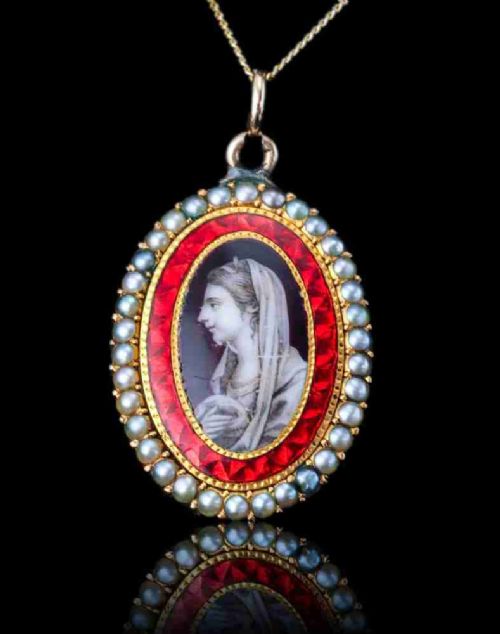


Regency Miniature Pendant
These regency miniature pendant pieces are small portrait works worn close to the heart, offering intimacy and fine portraiture from the Georgian era.
Regency Miniature Pendant
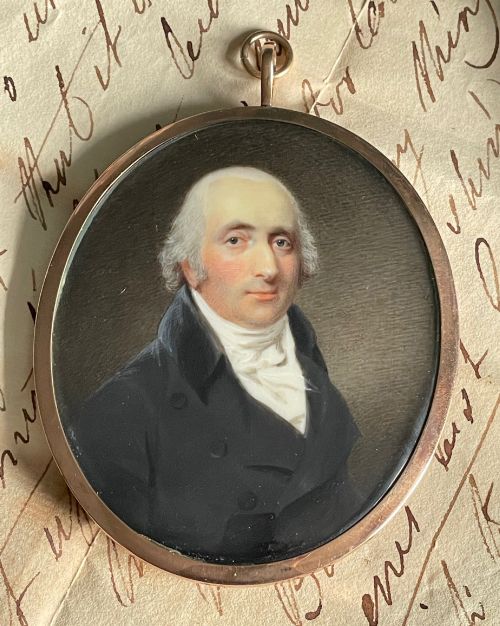
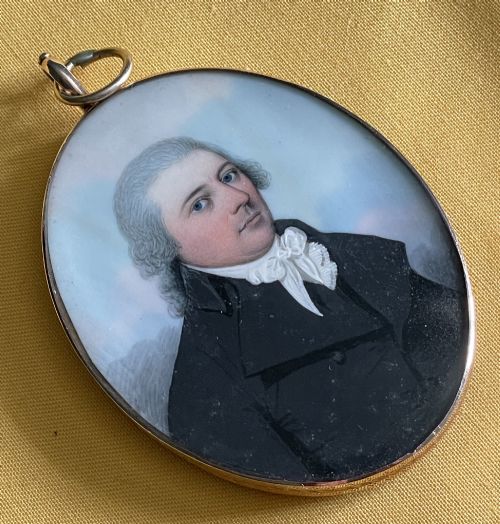
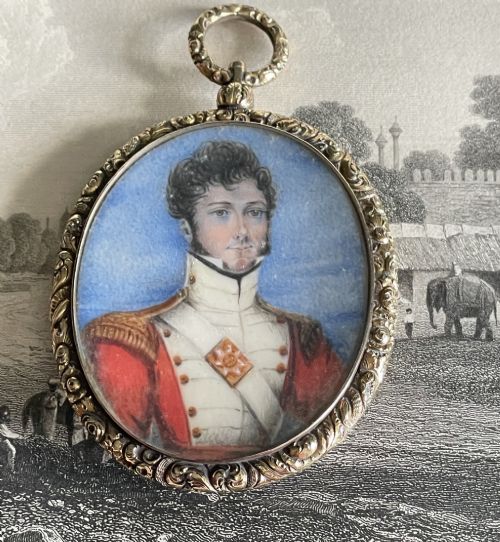
A regency miniature pendant takes the form of a portable portrait miniature, often framed in gilt metal or gold and designed to be worn around the neck. These works capture likenesses of officers, gentlemen, and notable figures from the Georgian and Regency periods.
The objects on this page span the 18th century, the Regency era, and the wider 19th century. Portrait miniatures and pendant necklaces represent the primary forms seen here, often reflecting naval or military connections.
Examples include works depicting subjects such as Robert Clarke, Sir John Deas Thomson, and Sir William Barnard. Buyers meet both named sitters and anonymous subjects in these portable formats.
How they were made
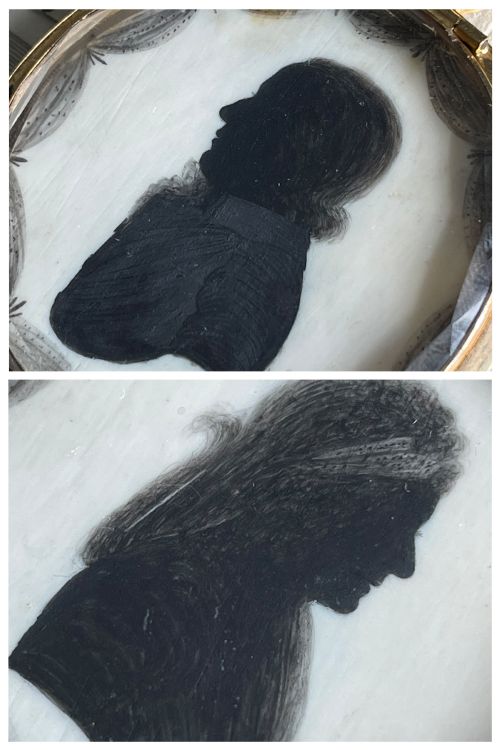
Makers produced these pieces using watercolour on ivory, alongside enamel work on metal substrates. Artists applied fine pigments to thin sections of ivory or fused enamel onto supportive bases to achieve lasting detail.
Framing utilised materials such as 9ct gold, gilt metal, and glass to protect the delicate painted surfaces. Artisans frequently incorporated pearls into the gold mounts of military and high-status portraits.
Regency Miniature Pendant Retail Price Guide 2026
Typical asking prices for regency miniature pendant among the pieces listed under this phrase on Sellingantiques today, from the lower quarter to the upper quarter. They describe what is for sale here now, not the wider market.
Some gentlemen ordered miniature portraits of themselves specifically to ensure their officers looked suitably dashing on campaign.
What varies in quality
Quality rests in the precision of the brushwork and the psychological depth of the portraiture. Master painters achieved lifelike expressions and subtle tonal gradations that distinguish superior works from standard studio pieces.
The metalwork and framing contribute significantly to the overall merit of the object. Heavier gold mounts and integrated pearl settings demonstrate higher investment in the presentation of the miniature.
William Wood·John C D Engleheart·Frederick Buck·Henry Bone·George Engleheart·John Inigo Wright·AE Chalon
The Regency Miniature Pendant Glossary
- Miniature portrait
- A small painting executed on a delicate scale, traditionally utilising watercolour on ivory or enamel on metal. These portable works allowed individuals to carry likenesses of family members or military heroes.
- Gilt metal
- A base metal treated with a thin layer of gold or gold-coloured wash. It provided an accessible framing option for portrait miniatures during the Georgian period.
- Enamel miniature
- A painting created by fusing vitreous glass powders to a metal plate through high-temperature firing. This technique produced durable surfaces resistant to fading.
- Pendant necklace
- An item of jewellery designed to hang from a chain around the neck. In this context, the pendant houses a miniature portrait.
Regency Miniature Pendant: Frequently Asked Questions
What are regency miniature pendants?
These are small, wearable portraits painted on ivory or enamel, mounted in gold or gilt metal during the Georgian and Regency eras. They served as personal tokens of affection or remembrance.
Subjects ranged from family members to military officers and naval commanders, offering a tangible connection to individuals of the period.
How were these pendants worn?
Owners typically wore them suspended from chains around the neck as pendant necklaces. They functioned as both personal adornments and private memorials.
The inclusion of glass covers protected the delicate watercolour and ivory surfaces from direct contact with clothing and skin.
What materials are used?
The primary painting surfaces include ivory and enamel, with artists utilising watercolour pigments for detail. Mounts frequently employ 9ct gold, gilt metal, and protective glass panels.
Some high-status examples also incorporate seed pearls and secondary precious metals within the framing structure.
How do I identify the period?
Stylistic markers in the clothing, hair, and framing style help determine the date, often spanning the late 18th century through the 19th century. Military uniforms and civilian dress reflect the fashions of the Georgian and Regency eras.
Signatures or inscriptions on the reverse or within the mount occasionally provide direct attribution to artists active during these periods.