





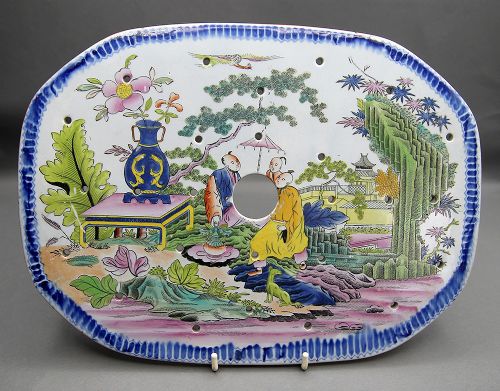
Regency Masons Ironstone
Regency Masons ironstone brings heavy, durable ceramic body and rich enamels together to anchor a table with bold colour.
Regency Masons Ironstone
When you search for regency masons ironstone, you encounter sturdy ceramic tableware and display pieces produced during the early nineteenth century. These items combine the utility of everyday stoneware with the refined decoration of porcelain, designed to withstand hearty dining while offering vibrant visual appeal.
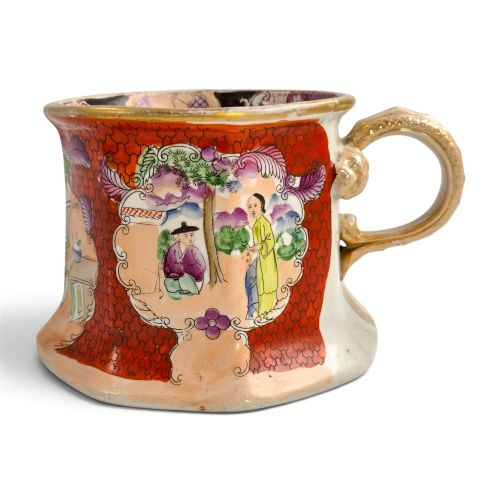
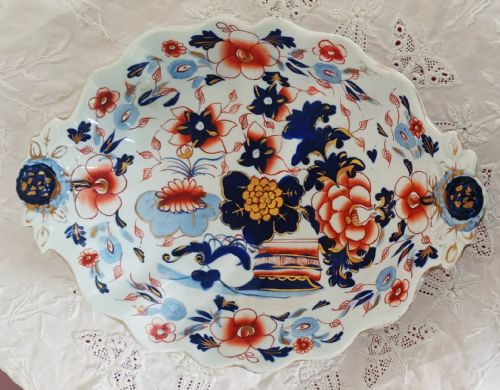
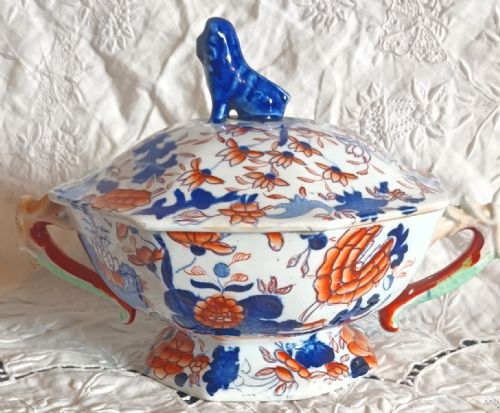
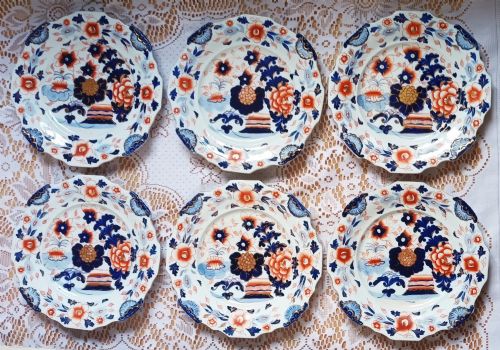
You are most likely to meet plates, tureens, jugs, and vases featuring intricate patterns inspired by Eastern aesthetics. The pieces span serving dishes, platters, and potpourris originating from the Georgian and Regency periods, marked by robust forms and substantial weight.
The aesthetic leans heavily into imported motifs, translating oriental designs into British earthenware. Whether handling a large hall vase or a small pickle dish, the pieces maintain a sturdy presence that reflects the industrial ambitions of early pottery manufacture.
How They Were Made
Makers utilised a dense ceramic body known as ironstone, formulated to resist chipping and cracking far better than traditional earthenware. This heavy paste provided a reliable foundation for complex surface decoration.
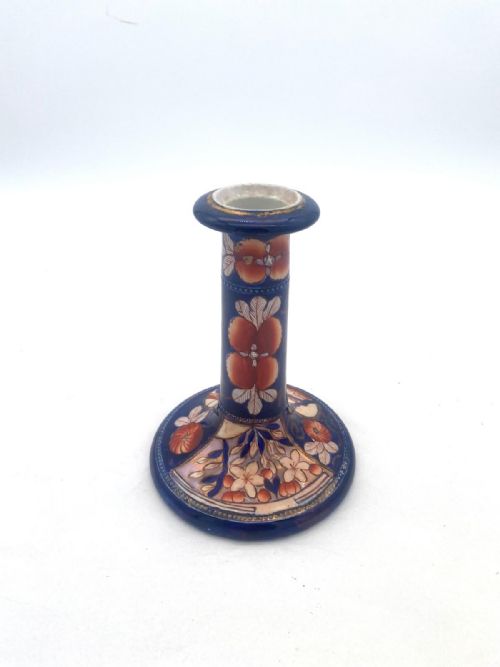
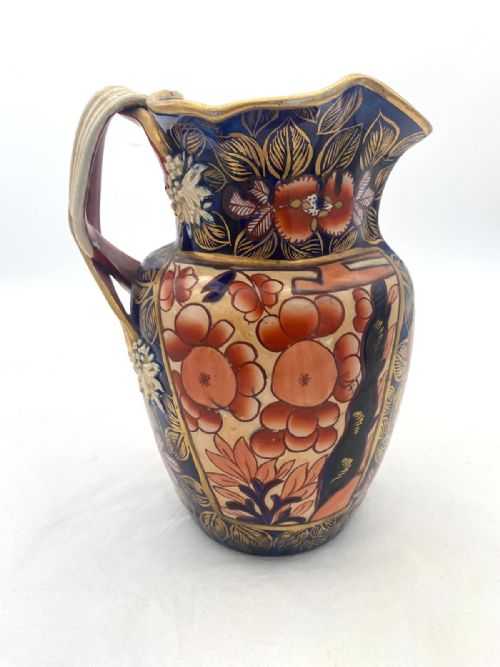
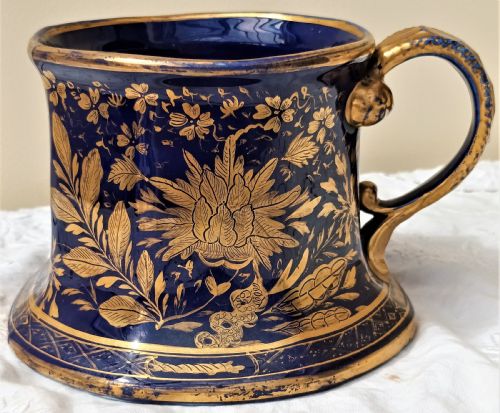
Workers applied rich enamel colours alongside gold leaf and gilding, often over a smooth glaze that sealed the ceramic base. Hand-painted motifs in cobalt blue, red scale, and green mandarin brought intricate detail to surfaces like tureens and plates.
Regency Masons Ironstone Retail Price Guide 2026
Typical asking prices for regency masons ironstone among the pieces listed under this phrase on Sellingantiques today, from the lower quarter to the upper quarter. They describe what is for sale here now, not the wider market.
Listings feature items spanning the 19th century, Georgian, and Regency periods, executed in ironstone, enamel, and gold leaf.
What Varies in Quality
The standard of painting on regency masons ironstone distinguishes standard utility wares from exhibition-quality display pieces. Finer examples exhibit crisp brushwork in the enamel details and precise application of gold leaf.
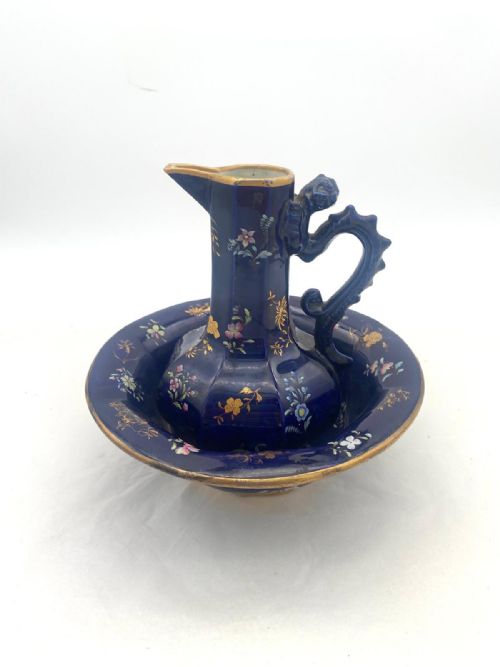
Moulding clarity also determines value, with sharp relief work on handles, masks, and shaped edges separating superior vessels from softer castings. The density of the glaze and the vibrancy of colours like mazarine blue play significant roles in the overall visual impact.
Completeness of matched sets, such as covered tureens with matching stands or large dinner services, elevates the desirability of the ceramics. Exceptional pattern registration across complex multi-part items demonstrates greater skill during production.
C.J. Mason·Miles Mason
The Regency Masons Ironstone Glossary
- Ironstone
- A patented ceramic body invented to create durable, heavy vessels that mimic oriental porcelain. It fires at high temperatures to produce a sturdy, vitreous ware.
- Chinoiserie
- European artistic interpretation of Chinese and East Asian decorative motifs. This style dominates the surface patterns found on early nineteenth-century wares.
- Mazarine
- A deep, rich shade of cobalt blue utilised as a ground colour on large vases and jugs. It provides a striking contrast to gilded highlights.
- Drainer
- A perforated ceramic insert placed inside meat platters or bowls to separate juices from food. These functional pieces are often collected independently today.
- Imari
- A decorative palette featuring iron red, cobalt blue, and gold, inspired by Japanese export porcelain. Masons frequently adapted this aesthetic for British tastes.
- Porringer
- A small handled bowl used historically for broths and porridges. In ironstone, these survive as compact serving or cabinet pieces.
Regency Masons Ironstone: Frequently Asked Questions
What is Masons ironstone?
Masons ironstone is a heavy, durable ceramic material patented in the early nineteenth century to provide a strong alternative to porcelain. It allowed potteries to produce robust tableware decorated with vibrant enamels and gilding.
The body resists chipping, making it suitable for practical household use while accommodating elaborate, hand-painted oriental designs that mirrored expensive imports from Asia.
How do I care for ironstone?
Living with these ceramics requires gentle handling to protect the overglaze enamels and delicate gilding from abrasion. Hand washing in warm water with mild soap preserves the surface decoration far better than mechanical dishwashers.
Sudden thermal shocks should be avoided, so hot liquids should be introduced gradually into cold vessels. Storing pieces with padded dividers prevents edge chipping on stacked plates and serving dishes.
Are these pieces dishwasher safe?
Original nineteenth-century ironstone pieces are not suitable for modern dishwashers. The harsh detergents and intense heat will strip away the hand-applied enamel colours and wear down the gold leaf.
Hand cleaning remains essential for maintaining the historical surface finish and preventing permanent damage to the delicate glaze layers.
How do I identify Regency periods?
Identifying the Regency period involves examining the specific pattern names, shape profiles, and maker marks stamped or printed on the base. Early nineteenth-century forms often feature neo-classical lines blended with exuberant oriental motifs.
Stylistic cues such as cobalt blue grounds, grotesque handles, and specific transfer-printed patterns like schoolhouse or Japan help narrow down the manufacturing window.