


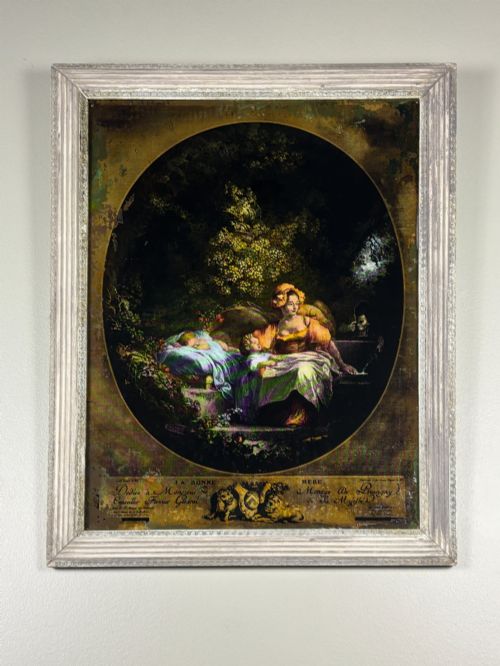
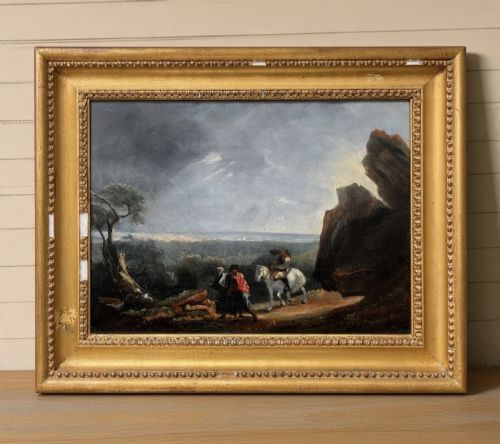
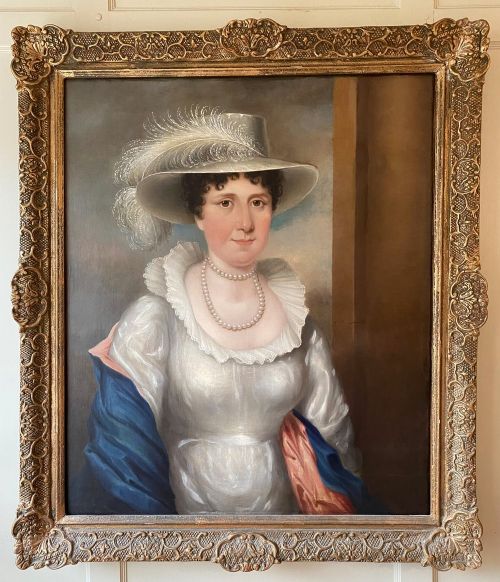
Regency Frame
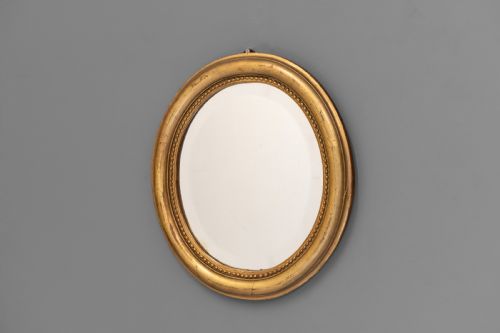
A regency frame anchors art and glass with neoclassical restraint, bringing period proportion and hand-guilded depth to walls and portraits.
Regency Frame
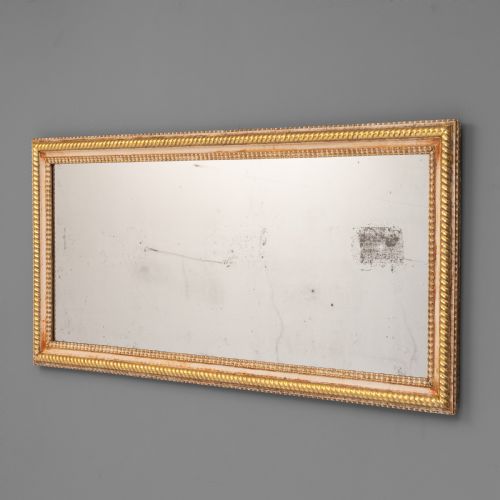
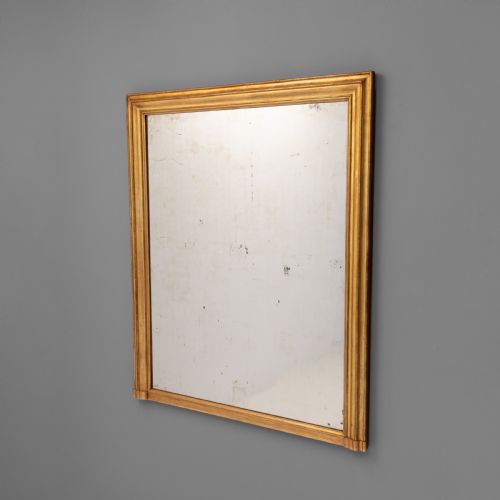
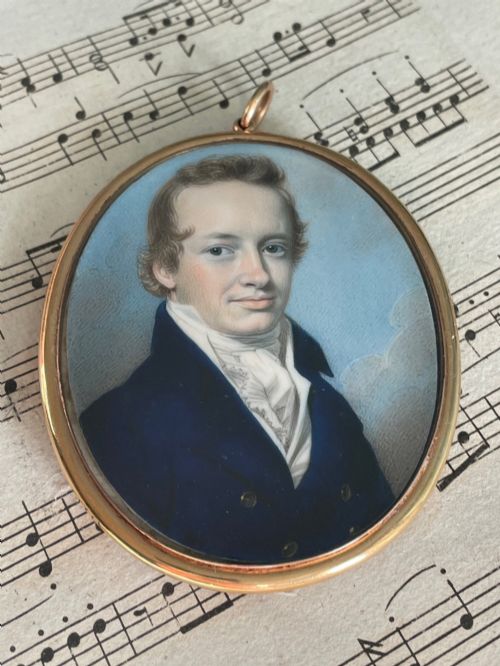
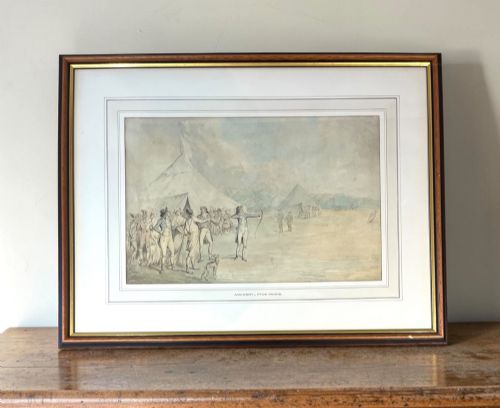
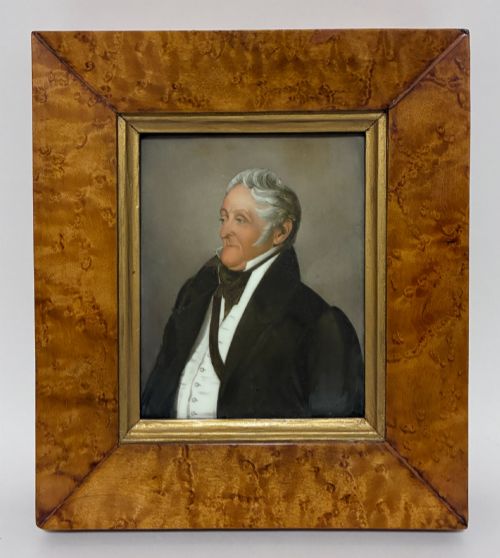
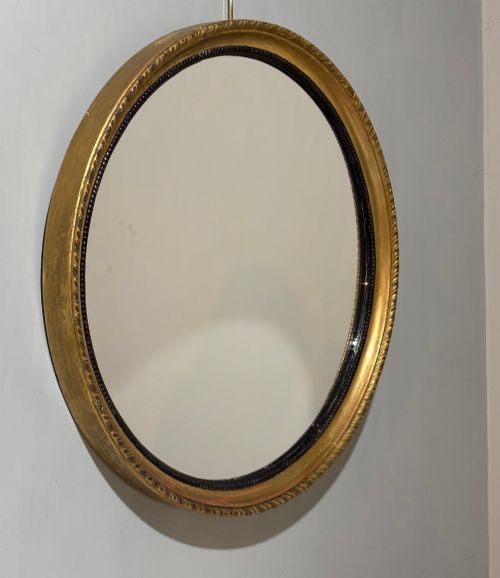
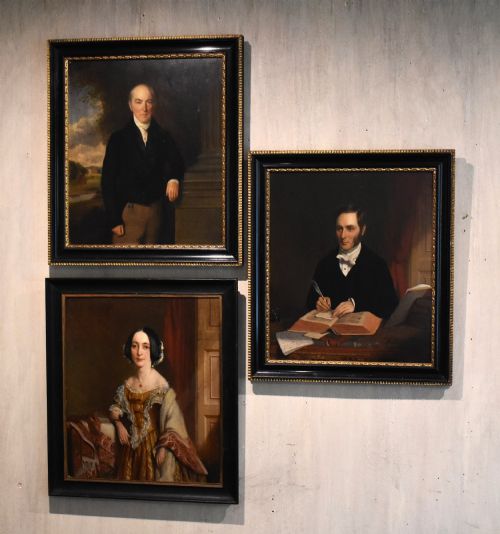
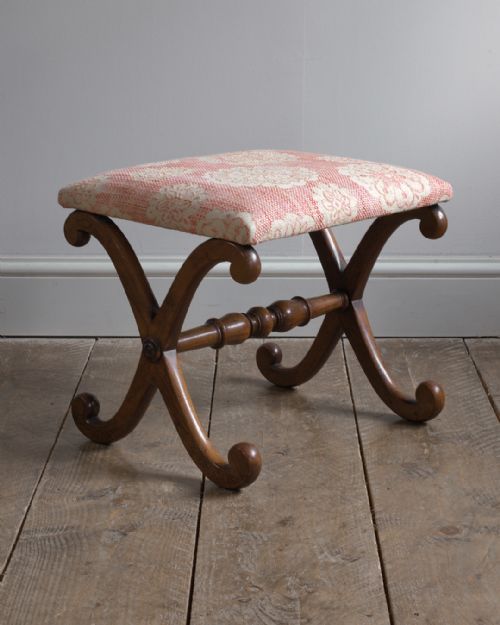
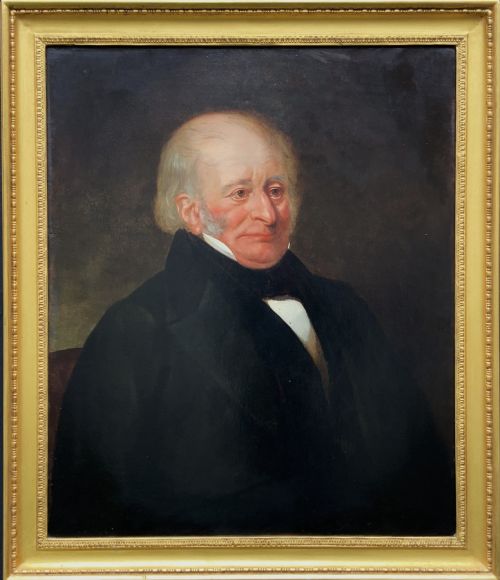
A regency frame typically surrounds wall mirrors, oil paintings, and portrait miniatures, drawing on Georgian, Victorian, and William IV periods. Buyers searching for a regency frame encounter giltwood overmantel mirrors, mahogany X-frame stools, and framed prints originating from the nineteenth century.
The objects span neoclassical wall mirrors, reverse prints on glass, and silhouette portraits alongside lacquer and birds-eye maple surrounds. Most options on this page date from the 1800s and early nineteenth century, combining architectural mirror plate with rich timber and gilt finishes.
How they were made
Giltwood and gesso form the primary structure for mirror frames, applying thin layers of gold leaf or water gilt over carved wooden bases. Cabinet makers utilised native and exotic timbers including mahogany, walnut, and birds-eye maple for stools and framed surrounds.
Makers applied glass, paper, canvas, and bronze elements alongside watercolour and oil paints for the portraits and reverse prints housed within these borders. Metal embellishments and eglomise glass techniques further diversified the manufacturing methods of the period.
Regency Frame Retail Price Guide 2026
Typical asking prices for regency frame among the pieces listed under this phrase on Sellingantiques today, from the lower quarter to the upper quarter. They describe what is for sale here now, not the wider market.
Listings feature nineteenth-century materials including giltwood, gesso, bronze, birds-eye maple, and reverse glass paintings across Regency and Victorian periods.
What varies in quality
The crispness of carved gesso ornament and the depth of the gold leaf application distinguish superior regency frame examples from routine production. Skilled carvers produced sharp neoclassical motifs that retain their definition beneath layers of gilding.
Subtlety in timber selection and joinery integrity dictate the standard of structural pieces like mahogany X-frame stools and maple mirrors. Original glass plates with period silvering demonstrate superior historical authenticity compared to later replacements.
Miles and Edwards·Sir Thomas Lawrence·Augustin Edouart·Frederick Buck·Anna Tonelli·Margaret Sarah Carpenter
The Regency Frame Glossary
- Giltwood
- Wood carved and coated with gold leaf or metal leaf over a prepared gesso ground. It provides a luminous surface characteristic of period mirrors.
- Gesso
- A plaster mixture applied to wood frames to create a smooth surface for carving and gilding. It allows intricate neoclassical relief decoration.
- Eglomise
- The technique of cold painting and gilding on the rear face of glass. This process produces a reflective, decorative border often seen in specialised mirrors.
- Overmantel Mirror
- A wide mirror designed to hang specifically above a fireplace mantel. These architectural pieces often feature prominent giltwood frames.
- Reverse Print on Glass
- An image transferred and painted directly onto the back of a glass pane. The final work is viewed through the front of the glass.
Regency Frame: Frequently Asked Questions
What defines a regency frame?
A regency frame draws on neoclassical design principles, utilising symmetrical geometry, classical motifs like ramm's heads, and giltwood surfaces. These surrounds emphasise proportion and architectural dignity rather than heavy ornamentation.
Created primarily during the early nineteenth century, these pieces complement both traditional interiors and minimalist modern spaces by providing historical contrast and structured visual weight.
How do I hang a heavy overmantel mirror?
Heavy giltwood overmantel mirrors require direct fixing into structural wall studs or masonry using appropriate weight-rated brackets. Distributing the load securely prevents strain on the original wooden frame.
Professional installation is recommended for large nineteenth-century pieces to ensure the weight rests safely on secure wall anchors rather than picture wire alone.
Are these frames suitable for modern art?
Period frames offer a striking juxtaposition when paired with contemporary abstract paintings, charcoal drawings, or modern photography. The contrast highlights both the age of the surround and the novelty of the art.
Ensuring the rebate depth matches the new canvas or board depth allows modern works to sit comfortably within historical timber mouldings.
How should I clean giltwood surfaces?
Giltwood frames require gentle dusting with a very soft, dry artist's brush or feather duster to remove surface particles. Moisture and modern cleaning chemicals damage fragile water gilding instantly.
Avoiding liquid cleaners preserves the original gold leaf and prevents the underlying gesso from softening or lifting away from the carved wooden base.