




Regency Country Furniture
Regency country furniture brings together vernacular carpentry and refined proportion, offering honest utility for everyday living.
Regency Country Furniture
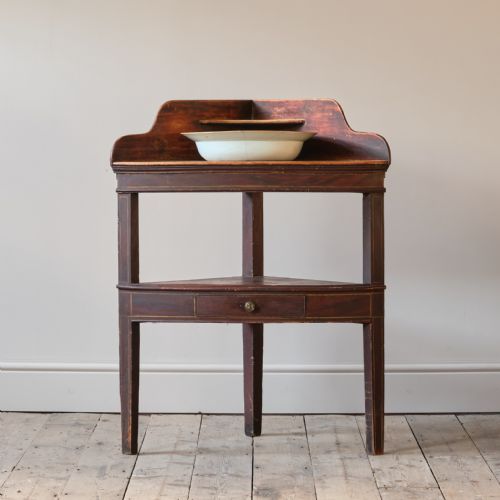
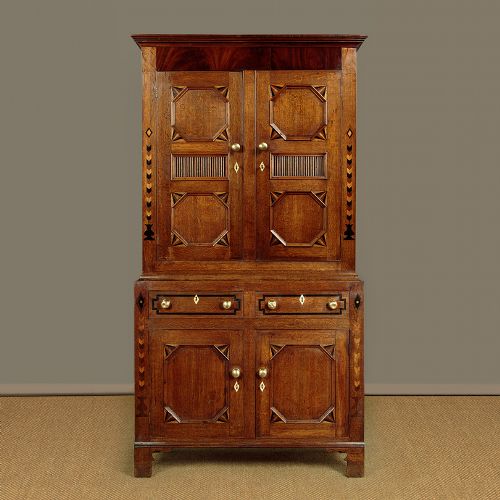
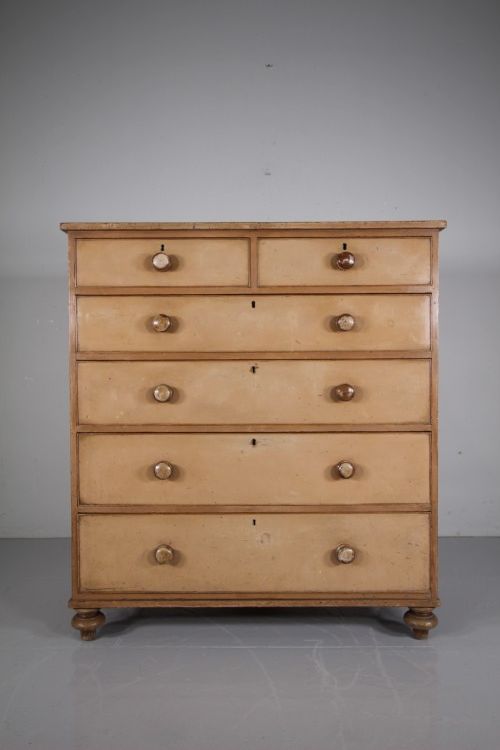
When searching for regency country furniture, a buyer looks at domestic utility pieces that bridge rural workshop traditions and the formal designs of the period. These items range from sturdy pine washstands and oak bread and cheese cupboards to walnut country house sofas and elm chests of drawers.
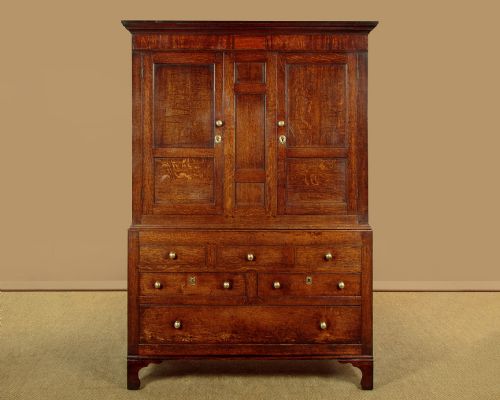
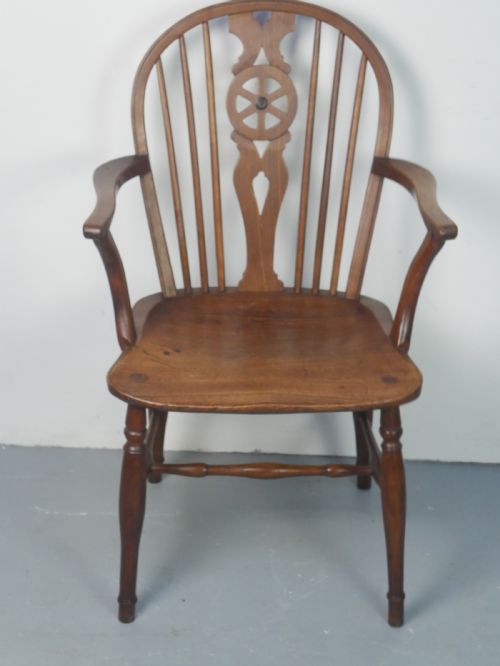
The versions most commonly met on this page date from the nineteenth century, encompassing Georgian, Regency, and William IV eras. Vernacular expressions such as Welsh oak tack cupboards and beech country chairs appear frequently alongside painted pine dressers.
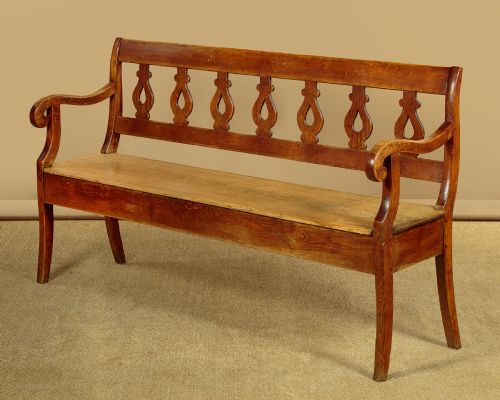
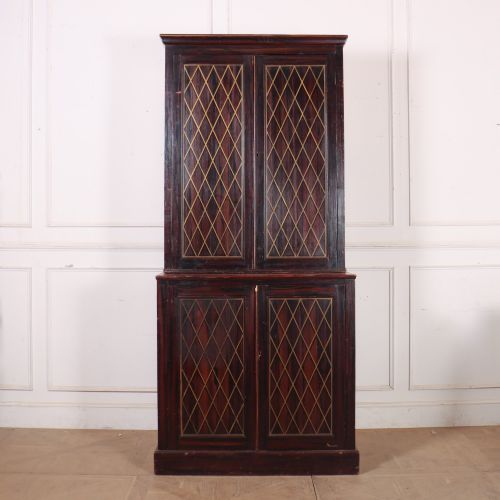
Practical forms dominate the selection, including occasional tables, bookcases, settles, and corner cupboards. Each piece displays the straightforward construction typical of provincial makers working outside major metropolitan centres.
How they were made
Makers of regency country furniture utilised native timbers such as oak, mahogany, pine, elm, ash, fruitwood, and yew wood. Selection depended on local availability and the intended function of the piece, pairing durable hardwoods for structural elements with softer woods for secondary panels.
Surface treatments range from clear finishes that highlight natural grain to original paint and inlaid decoration. Joinery techniques relied on traditional hand tools, resulting in pegged joints, dovetailing, and sturdy framing built to withstand decades of domestic use.
Regency Country Furniture Retail Price Guide 2026
Typical asking prices for regency country furniture among the pieces listed under this phrase on Sellingantiques today, from the lower quarter to the upper quarter. They describe what is for sale here now, not the wider market.
Boot and whip racks survive to remind us that country houses once required specialised wall furniture for equestrians.
What varies in quality
Quality in these pieces rests upon the integrity of the timber and the survival of original finishes. Surviving original paint, untouched patination, and honest surface wear elevate a piece far above examples that have undergone modern stripping or heavy restoration.
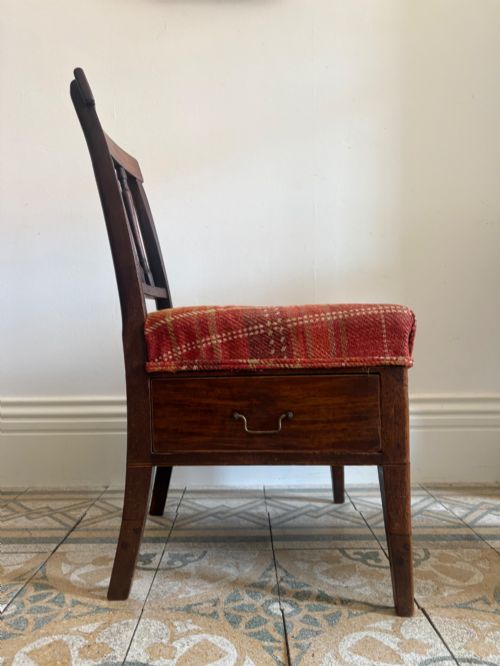
Structural honesty and the cleverness of vernacular adaptation also define the upper tier. Unusual forms, such as chairs incorporating drawers or specialised racks for boots and whips, demonstrate superior provincial craftsmanship and thoughtful design.
The Regency Country Furniture Glossary
- Vernacular furniture
- Domestic pieces made by local craftsmen for regional use, often displaying traditional styles rather than high-fashion metropolitan designs. These items prioritize utility and local material availability.
- Settle
- A wooden bench with a high back, solid arms, and often a storage box beneath the seat. Historically placed near fireplaces to block draughts in country homes.
- Washstand
- A small table or cabinet designed to hold a basin, jug, and washing accessories. They often feature tiered tops or splashbacks in pine and mahogany.
- Canterbury
- A low stand with partitioned sections, originally designed for holding sheet music or books. Country examples in mahogany or fruitwood served similar tidy functions in domestic interiors.
- Patination
- The deep, lustrous surface sheen developed on wood through age, handling, and waxing. Collectors value untouched patination as a sign of authenticity.
Regency Country Furniture: Frequently Asked Questions
How do I identify regency country furniture?
Look for a combination of refined period proportions and rustic timber choices such as elm, fruitwood, or local oak. These pieces eschew elaborate metropolitan ornamentation in favour of honest construction and practical utility.
Examination of the secondary woods and joinery often reveals provincial working methods. Original painted surfaces or simple vernacular forms further distinguish these items from formal urban equivalents.
Where were these pieces used?
These items furnished provincial farmhouses, rectories, and country estates across Britain. Their sturdy construction suited active domestic environments where durability mattered.
Pieces like dressers, settles, and corner cupboards formed the backbone of rural kitchens and hallways. Lighter items, such as occasional tables and washstands, served bedrooms and sitting rooms.
How do I care for original paint?
Maintain original painted surfaces by dusting gently with a dry, soft cloth and avoiding chemical cleaners or excessive moisture. Keeping pieces away from direct sunlight and radiators preserves the pigment.
Allowing the surface to breathe without applying modern varnishes protects the historic finish. Gentle maintenance ensures the original character remains undisturbed.
Can I mix these with modern interiors?
The understated forms of country furniture integrate easily into contemporary spaces by adding warmth and textural contrast. Their honest materials ground sleek modern design.
Placing a painted pine cupboard or an elm chest of drawers in a minimal room highlights the quality of the grain and age. Utility pieces retain their practical storage value today.