
Red Glaze Pottery
Red glaze pottery spans Victorian earthenware, Japanese art pottery and vibrant twentieth-century chargers.
Red Glaze Pottery
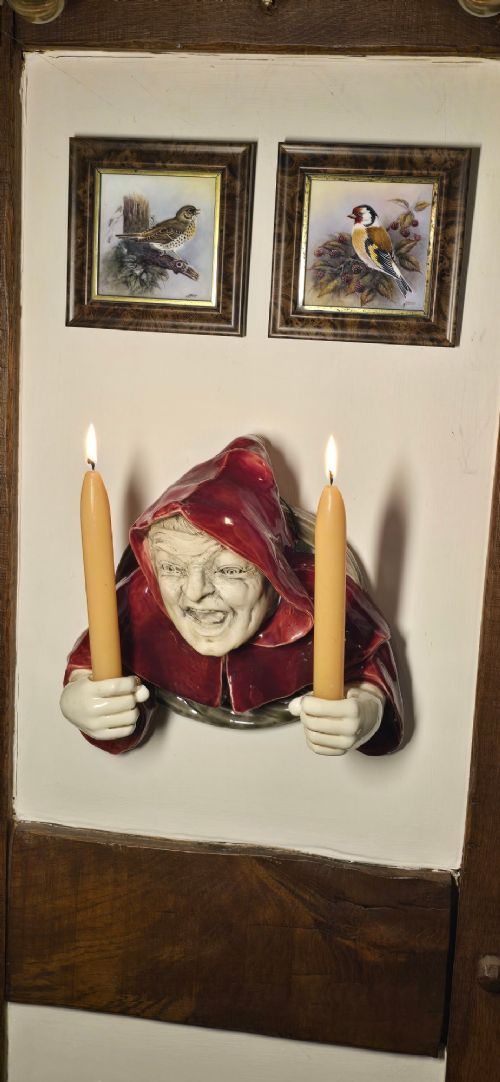
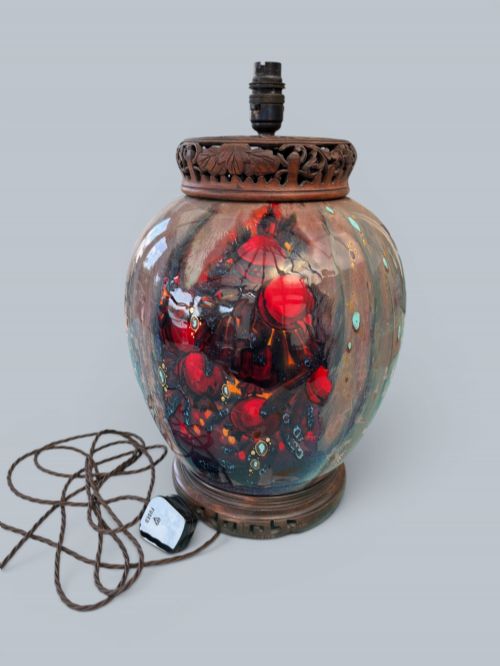
Red glaze pottery encompasses a diverse selection of ceramic objects, ranging from Victorian Staffordshire figures and Majolica jardinières to Japanese Sumida Gawa vases and Art Deco table lamps.
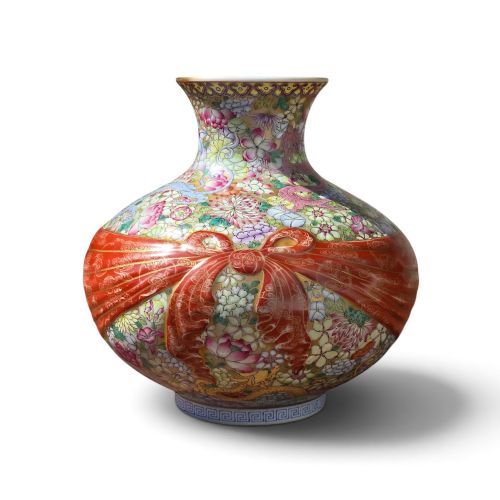
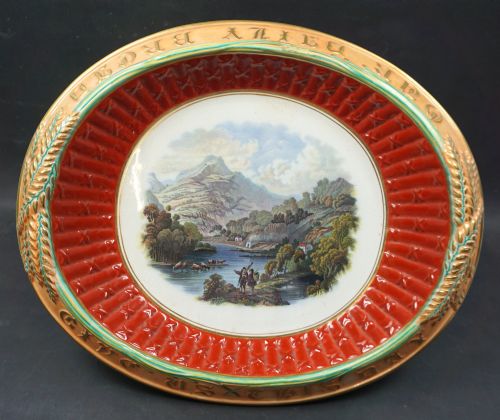
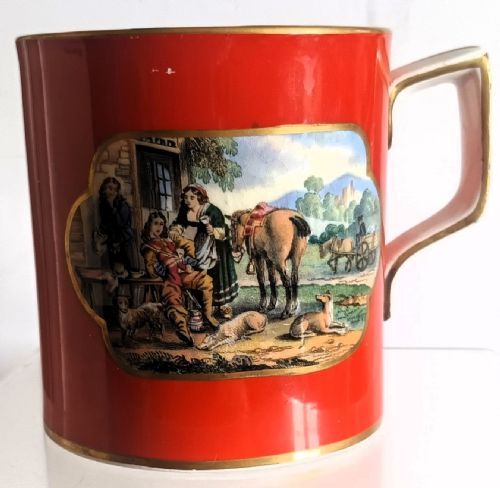
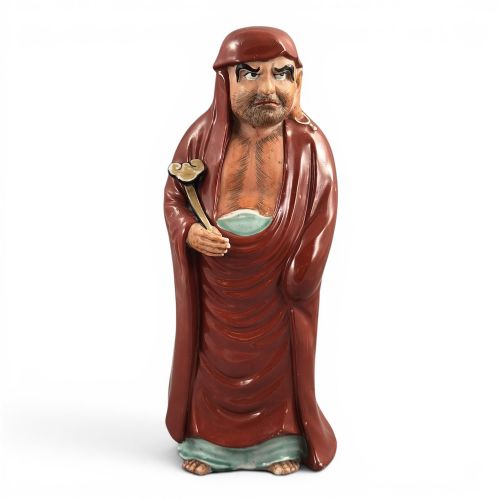
Buyers frequently encounter nineteenth-century English earthenware, such as Pratt-ware platters and Staffordshire animals, alongside striking East Asian pieces featuring flambe or iron-red glazes.
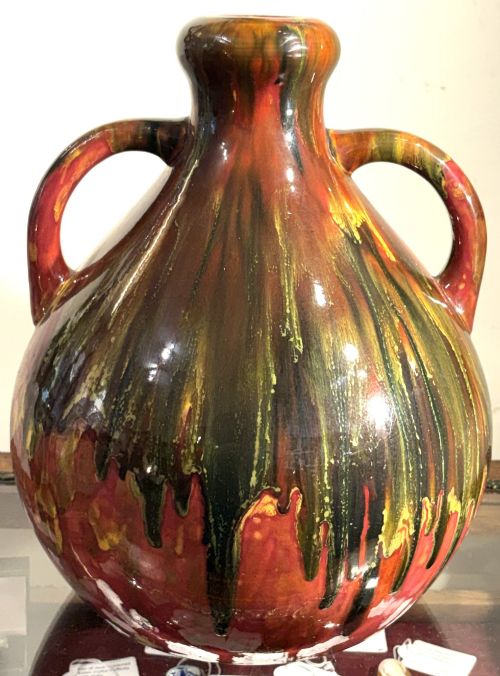
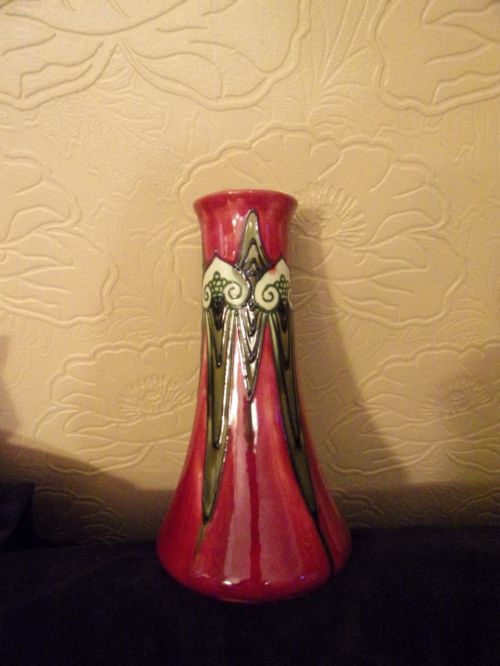
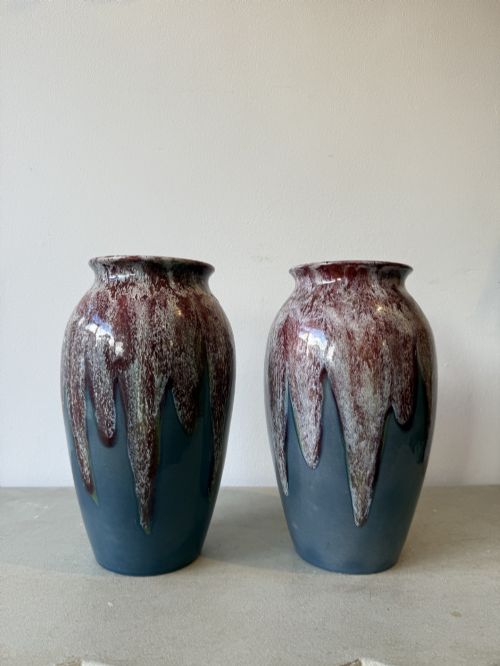
The selection extends into the twentieth century with Arts and Crafts productions, Moorcroft flamminian ware and high-fired drip glaze art pottery.
Materials and construction
Potters utilised earthenware, stoneware, porcelain and terracotta bodies, applying specialised glazes, enamels and occasionally gold leaf to achieve deep coloration.
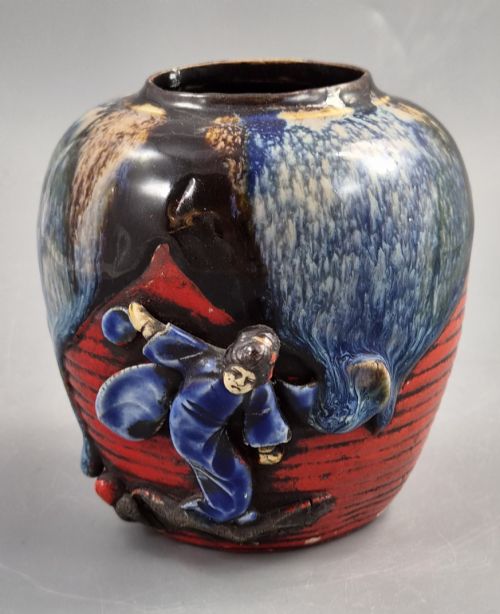
Techniques varied from traditional throwing and moulding to tube-lining, high-firing, and the application of sculptural relief figures common in Japanese wares.
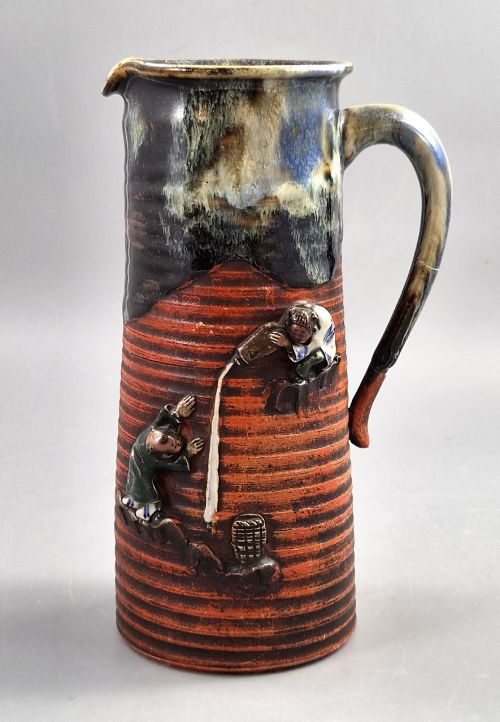
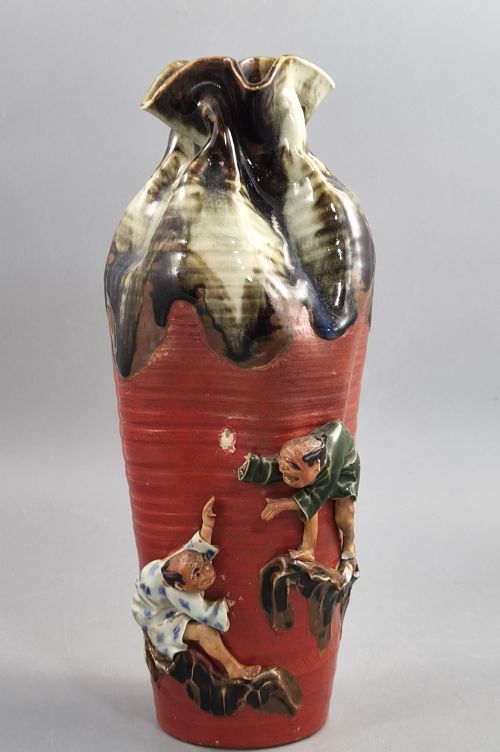
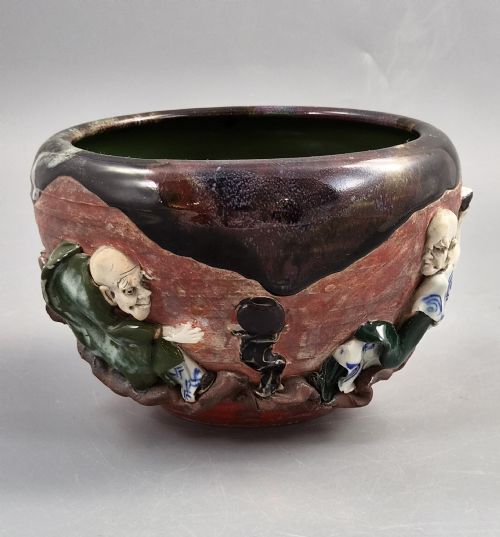
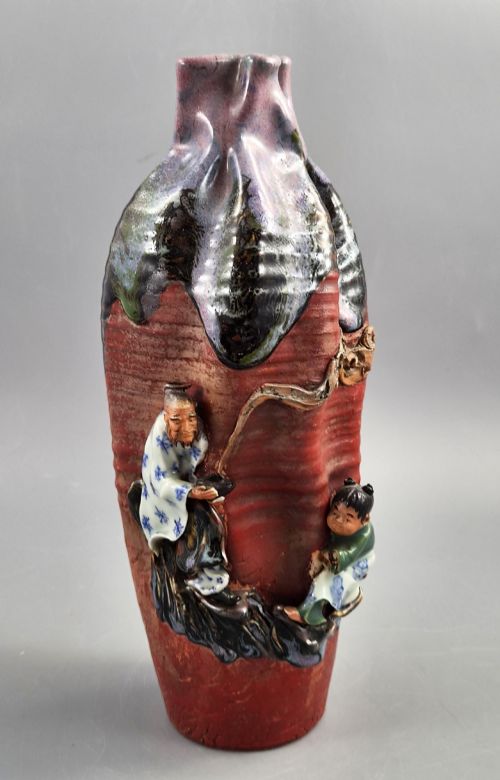
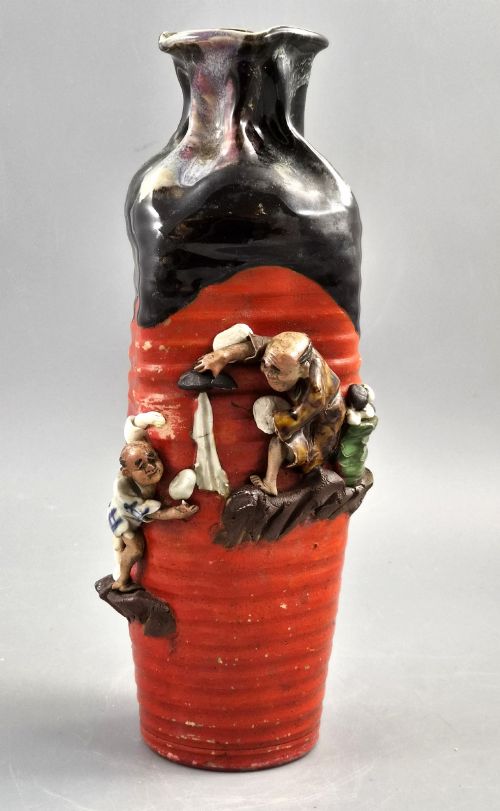
Several pieces feature tiny clay monks and sages permanently scaling the outside of vases.
Evaluating craftsmanship
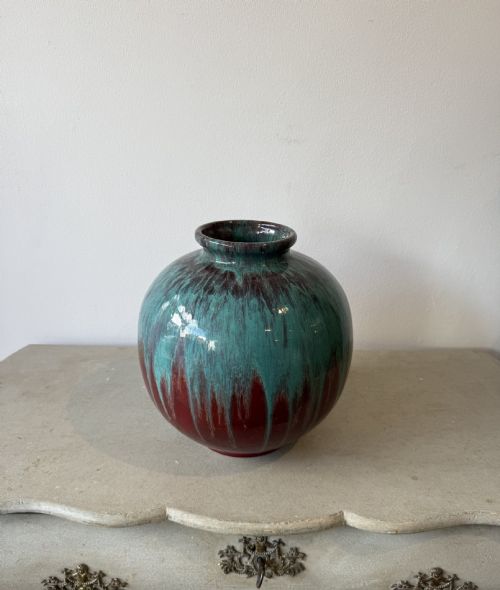
Quality rests upon the depth, control and consistency of the glaze application, particularly in challenging high-fired flambe or drip effects.
The crispness of moulded details, the precision of hand-painted enamels, and the reputation of the specific pottery or decorator separate standard production pieces from exceptional examples.
Minton·Inoue Ryosai·Moorcroft·Royal Doulton·Burmantofts·Bernard Moore·Ruskin
The Red Glaze Pottery Glossary
- Flambé glaze
- A streaked or mottled metallic glaze produced by reduction firing, creating rich red and purple tones. This technique originated in Chinese kilns and was later adopted by Western art potters.
- Sumida Gawa
- Japanese art pottery characterised by heavy drip glazes and applied sculptural figures in high relief. These pieces date predominantly from the Meiji and Taisho periods.
- Majolica
- A type of earthenware coated with an opaque tin-lead glaze and decorated with metallic oxide colours. It gained immense popularity during the Victorian era for decorative vessels and figures.
- Tube-lining
- A decorative ceramic technique where a thin line of slip is squeezed through a nozzle onto the clay body to outline patterns. The resulting cells are then filled with contrasting glazes or enamels.
- Earthenware
- Porous pottery fired at relatively low temperatures, requiring a glaze to render it waterproof. It forms the body of many nineteenth-century domestic and decorative items.
Red Glaze Pottery: Frequently Asked Questions
How do I date antique pottery?
Dating antique ceramics involves examining the clay body, glaze characteristics, style of decoration and any maker's marks or registration numbers on the base. Stylistic markers often align with specific periods like Victorian, Arts and Crafts or Art Deco.
Comparing construction methods and signatures helps narrow down the decade of production for pieces lacking explicit date stamps.
Where were Sumida Gawa wares made?
Sumida Gawa pottery was produced in the Asakusa district near the Sumida River in Tokyo during the Meiji and Taisho periods. These distinctive vessels are instantly recognizable by their rough naturalistic glazes and applied clay figures.
Many pieces were created for export, showcasing lively sculptural scenes of sages, children, and landscapes.
How do I care for antique ceramics?
Antique ceramics require gentle handling, keeping them away from direct sunlight, extreme temperature fluctuations and moisture. Dusting gently with a soft, dry cloth preserves the fragile enamel or glaze surfaces.
Avoid using chemical cleaners or immersing porous earthenware pieces in water to protect the historic body and finish.