

Red Figure Ceramic
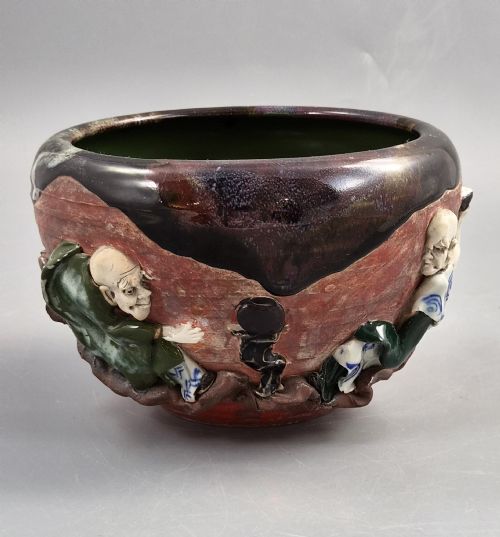
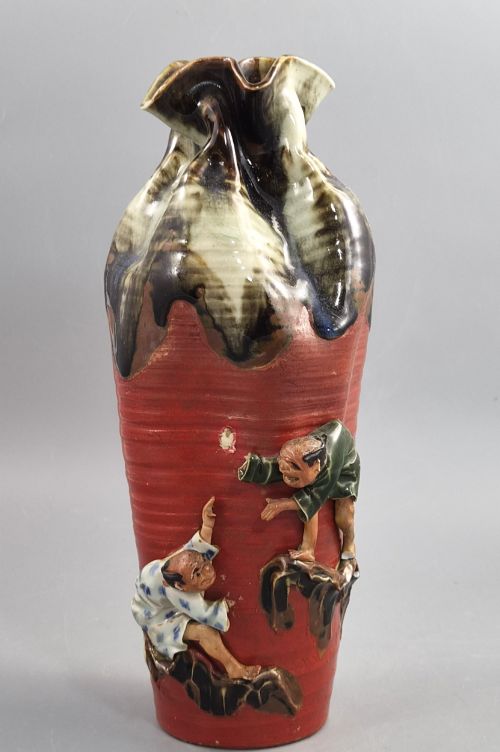
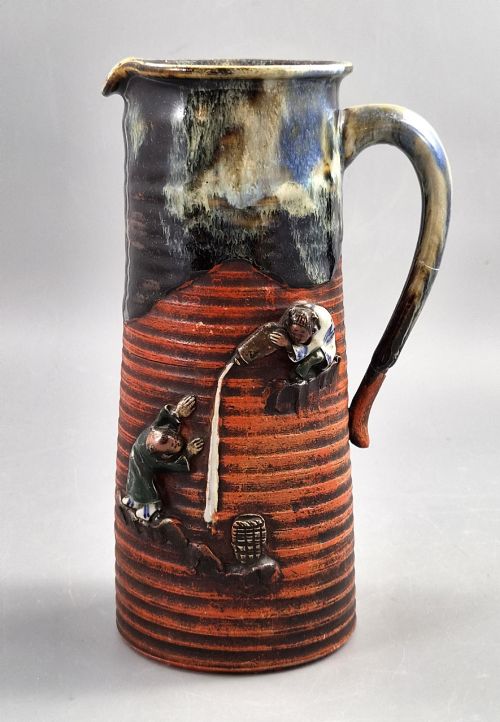
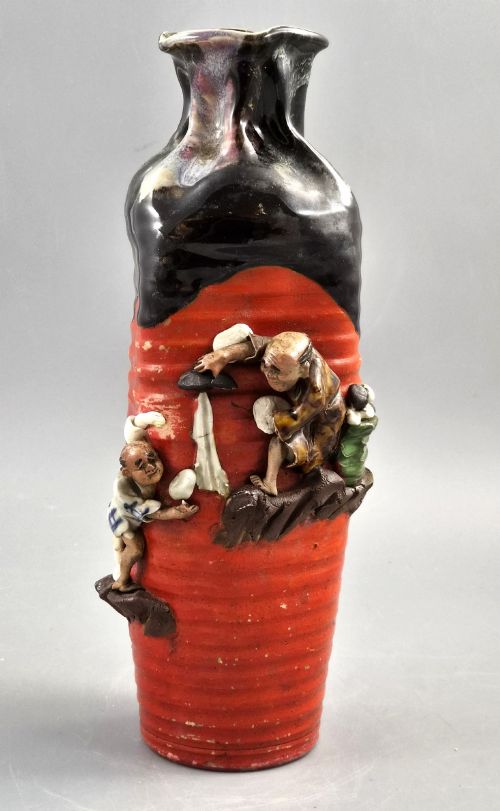
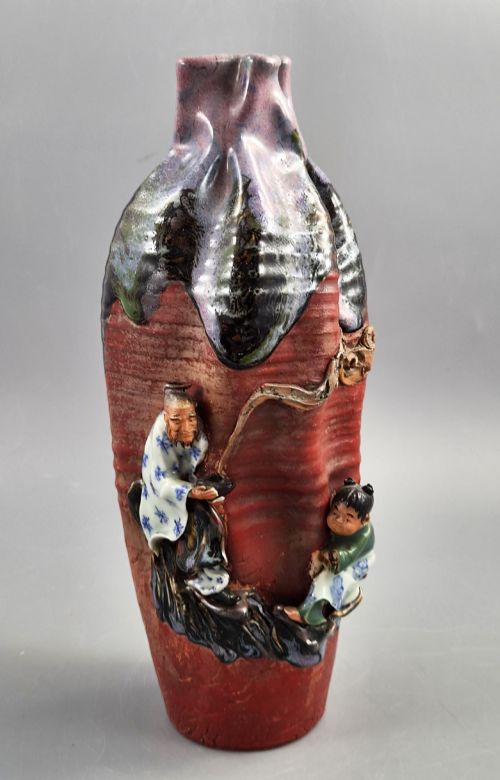
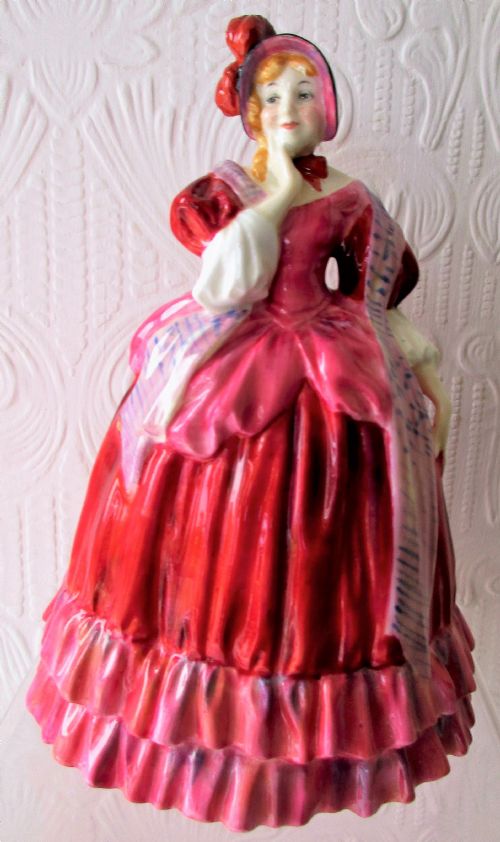
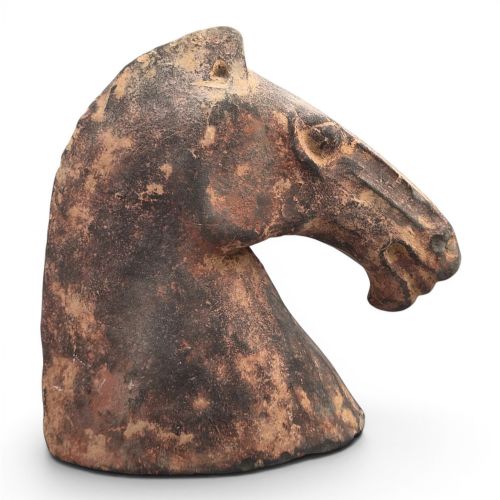
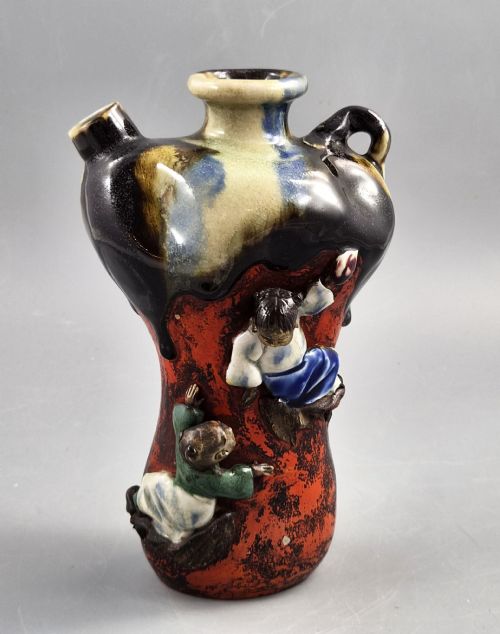
When you search for red figure ceramic, you are looking at tactile historical vessels and figures defined by distinct dark silhouettes against lighter clay bodies.
Red Figure Ceramic
Collectors seeking red figure ceramic pieces encounter a diverse range of items spanning the Victorian era through the early twentieth century, incorporating international influences.
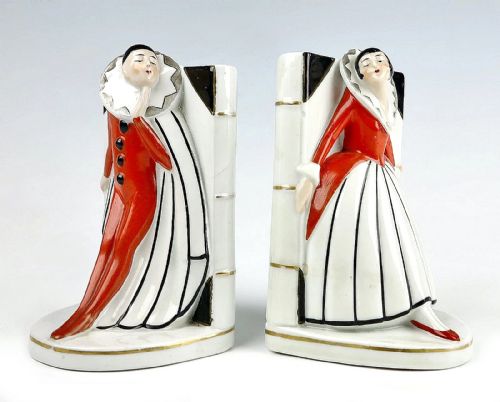
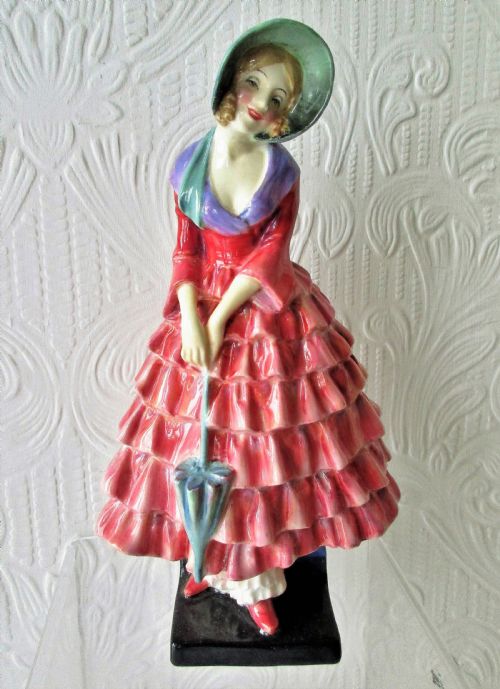
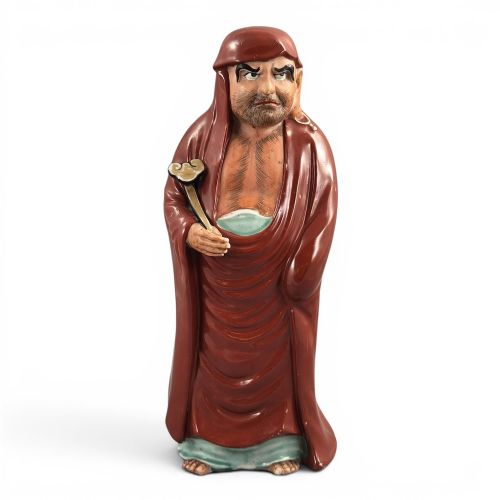
The selections on this page predominantly present Asian pottery traditions alongside European earthenware, majolica, and bone china.
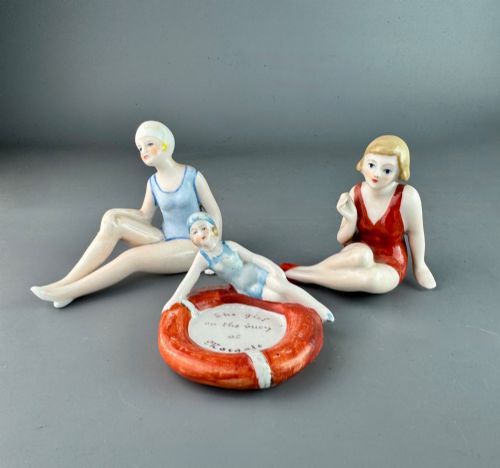
Vessels, pitchers, and figural sculptures dominate the inventory, showcasing distinct decorative glazing techniques from various international periods.
Materials and Craftsmanship
The pieces rely primarily on terracotta, earthenware, and porcelain bodies shaped into vases, jugs, and sculptural figures.
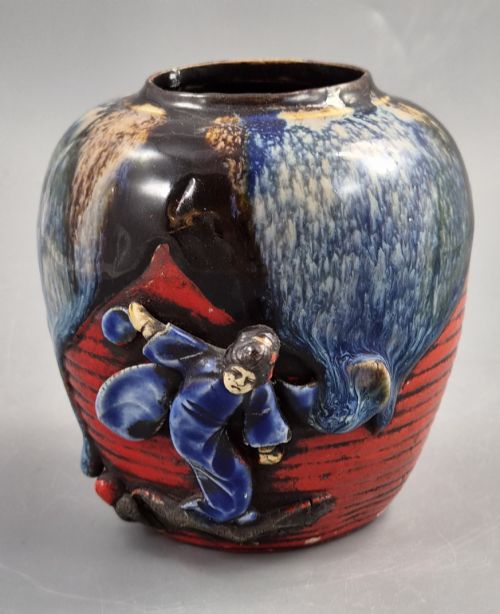
Makers utilised layered glazes, enamels, and selective gold leaf highlights to achieve deep colour contrasts on the ceramic surfaces.
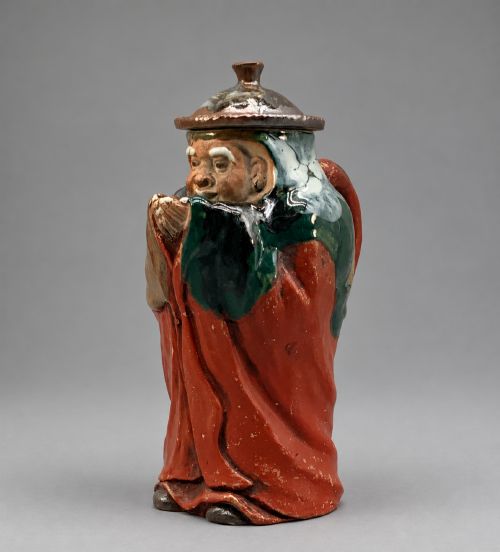
Relief modelling and applied figures appear frequently, requiring skilled hand-forming before high-temperature firing.
Red Figure Ceramic Retail Price Guide 2026
Typical asking prices for red figure ceramic among the pieces listed under this phrase on Sellingantiques today, from the lower quarter to the upper quarter. They describe what is for sale here now, not the wider market.
Distinguishing Quality and Execution
Superior examples display crisp modelling in applied figures and deliberate, controlled glaze flow without distracting pooling or clouding.
The weight and balance of the ceramic body reflect the maker's control over the raw materials during the shaping process.
Royal Doulton·Inoue Ryosai·Guido Cacciapuoti
The Red Figure Ceramic Glossary
- Terracotta
- A porous, brownish-red earthenware clay that is fired at relatively low temperatures and used for unglazed or glazed sculptures and vessels.
- Glaze
- A glassy coating fused to ceramic surfaces through firing, providing colour, impermeability, and decorative sheen.
- Flambé glaze
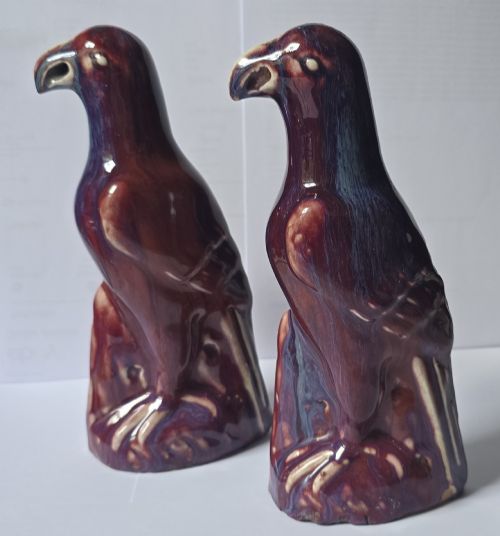
- A striking, variegated ceramic finish created when metallic oxides react in the kiln during high-temperature reduction firing.
- Bone china
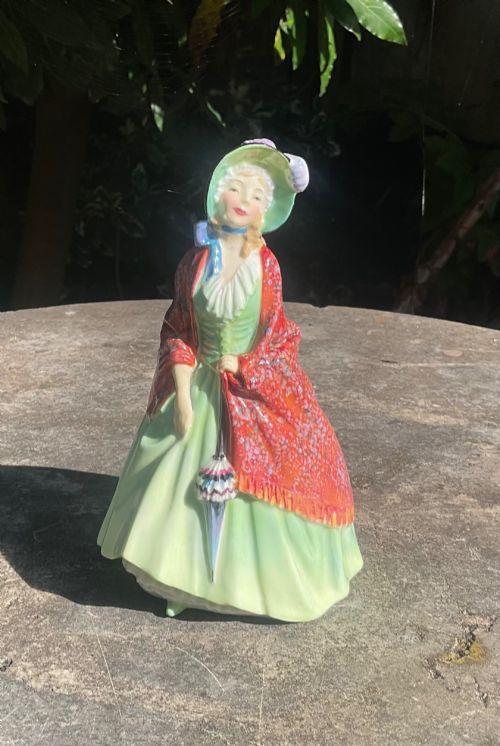
- A type of soft-paste porcelain incorporating bone ash, known for its high strength, chip resistance, and translucent quality.
- Moriage
- A decorative Japanese ceramic technique where clay is piped onto the surface to create raised, textured patterns before glazing and firing.
Red Figure Ceramic: Frequently Asked Questions
How do I care for antique ceramic figures?
Keep ceramic pieces out of direct sunlight to prevent enamel fading and thermal stress from window heat.
Dust them gently with a dry, soft brush rather than using wet cloths or harsh chemical cleaners.
What is the difference between earthenware and porcelain?
Earthenware is fired at lower temperatures, resulting in a porous, heavier body that requires glazing to hold liquids.
Porcelain utilises refined white clay fired at much higher temperatures to achieve a vitrified, non-porous structure.
How can I tell the period of a glazed ceramic?
Examine the base for kiln marks, handwritten artist signatures, or impressed factory stamps typical of specific manufacturing eras.
Consider the style of the glaze and the forming technique, as chemical formulations and throwing methods evolved across decades.
Where were these decorative figures displayed?
Victorian and Edwardian households placed ornamental pitchers and figural ceramics on mantelpieces, sideboards, and dedicated display cabinets.
Larger vessels and okimono figures served as focal points in drawing rooms and parlours to showcase refined tastes.