

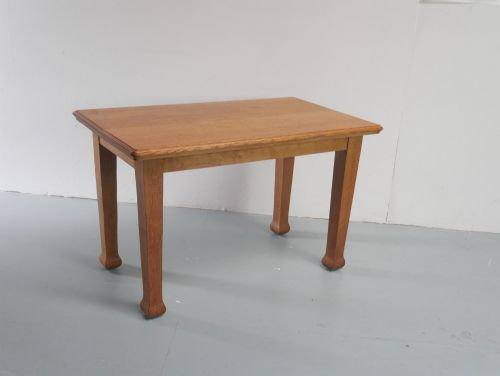
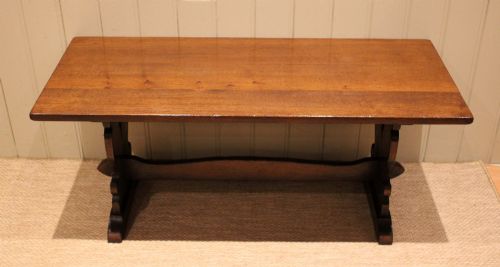
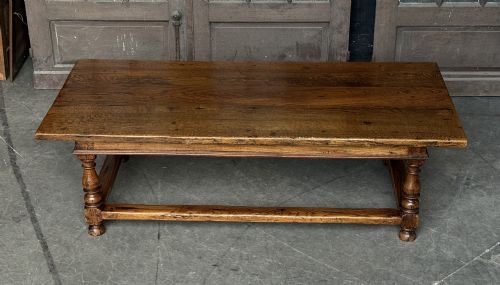
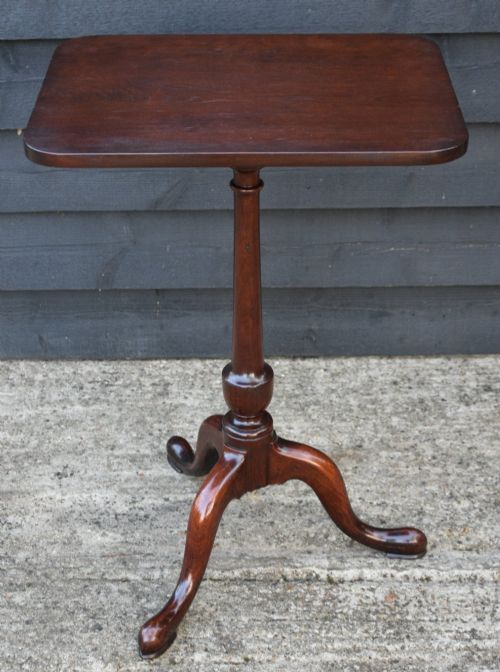
Rectangular Wooden Table
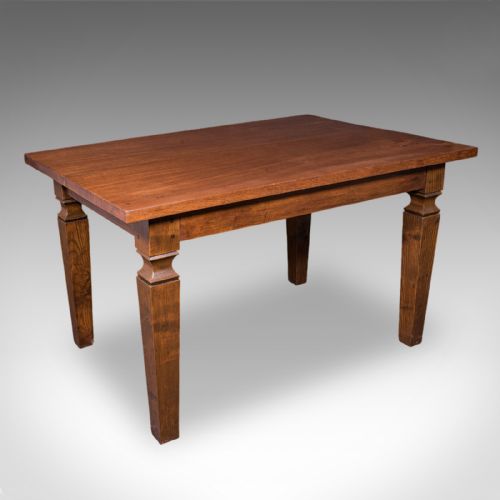
A rectangular wooden table is a domestic essential built from timber, offering a flat surface for dining, work, and display across multiple periods.
Rectangular Wooden Table
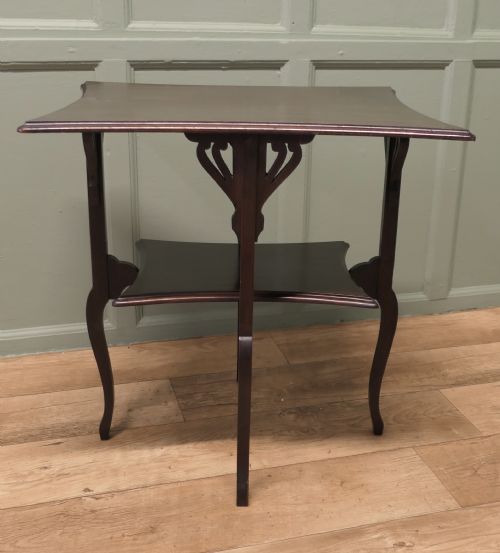
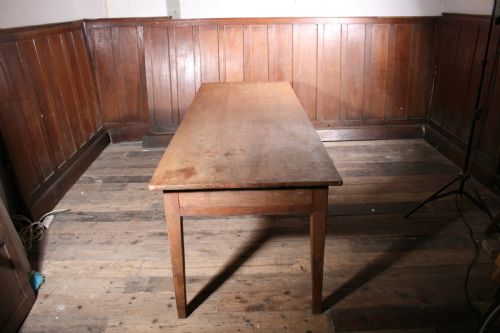
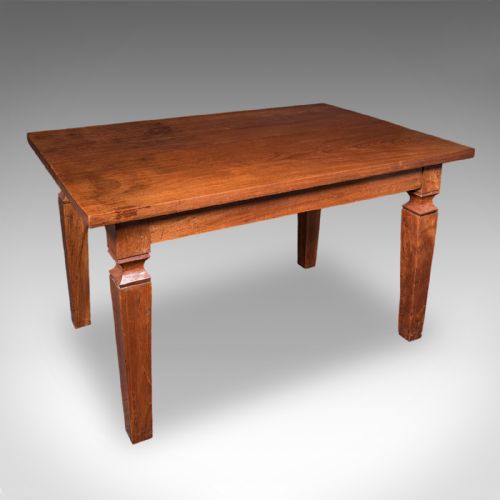
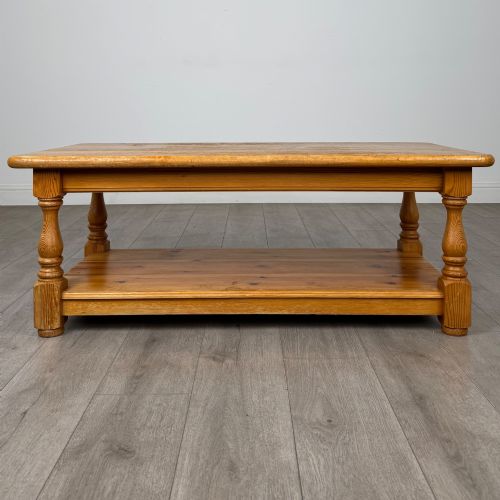
A rectangular wooden table serves multiple domestic functions, appearing in forms ranging from large kitchen dining pieces to compact coffee and occasional tables. These items span periods from the eighteenth century through the twentieth century, reflecting shifting interior needs.
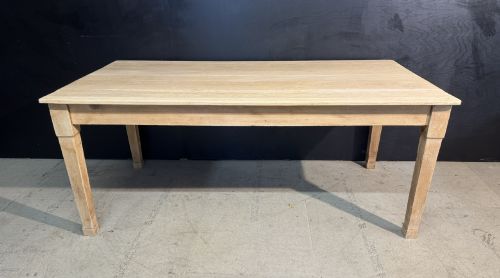
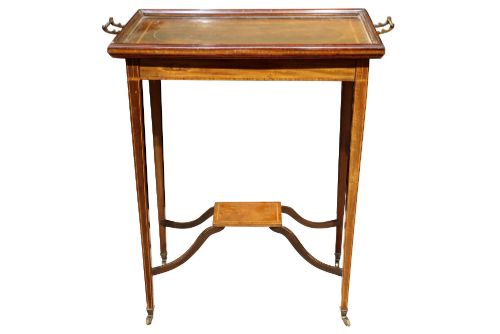
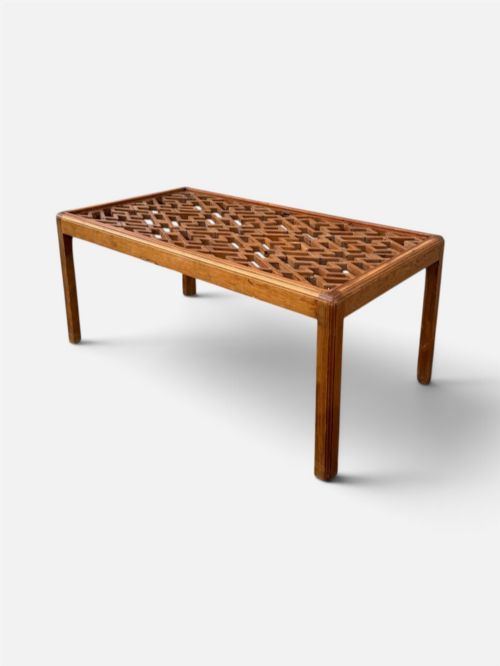
The selection here includes Georgian dining examples, Victorian mahogany pieces, and Edwardian walnut designs alongside rustic elm and pine farmhouse tables. Buyers frequently encounter low coffee tables adapted from other forms alongside traditional dining furniture.
Origins vary from English workshops to French provincial makers and Chinese studios, employing woods such as oak, mahogany, walnut, and pine. Each piece demonstrates the enduring utility of a rectangular top supported by legs, pedestals, or trestles.
How they were made
Cabinet makers and carpenters utilised solid hardwoods like mahogany, walnut, oak, and elm, often pairing them with secondary timbers for internal framing. Surfaces received hand-applied polish, wax, or paint to protect the grain and enhance the visual depth of the wood.
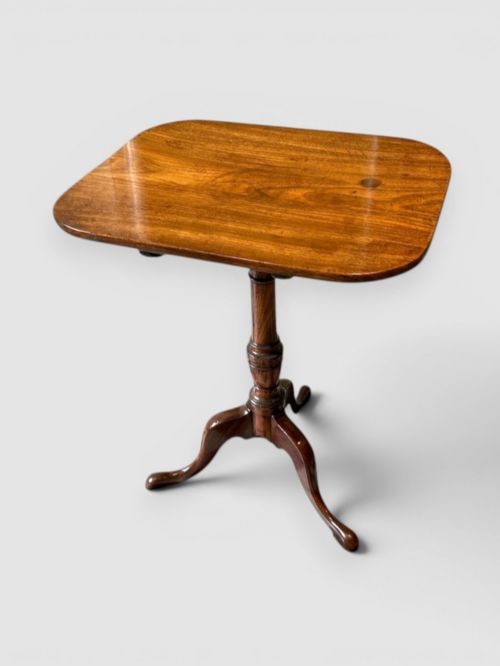
Construction techniques involved traditional joinery such as mortise and tenon joints for stability, alongside turned legs, tilt-top mechanisms, and brass hardware. Inlaid details, fretwork panels, and carved borders added decorative refinement to structural frames.
Rectangular Wooden Table Retail Price Guide 2026
Typical asking prices for rectangular wooden table among the pieces listed under this phrase on Sellingantiques today, from the lower quarter to the upper quarter. They describe what is for sale here now, not the wider market.
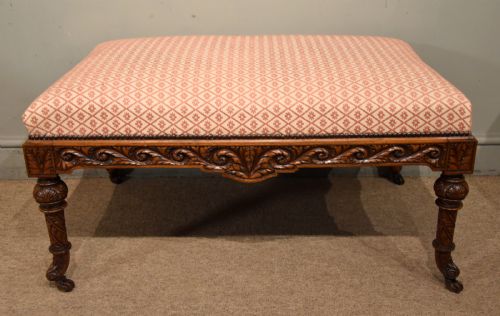
Object forms span dining, coffee, occasional, and side tables alongside serving trays, stools, and benches.
What varies in quality
Quality rests upon the selection of timber, the crispness of hand-carved or turned details, and the integrity of the original joinery. Finer examples display well-figured wood grains and thoughtful proportions that balance the weight of the top with the support beneath.
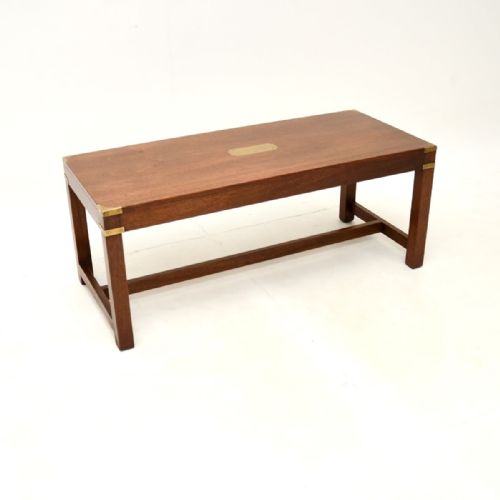
Subtleties in execution distinguish standard utility furniture from pieces of deliberate design, such as finely drawn occasional tables or campaign items with integrated brass fittings. The integration of decorative elements like fretwork panels or inlay determines the tier of craftsmanship.
The Rectangular Wooden Table Glossary
- Tilt-top
- A table mechanism allowing the rectangular surface to pivot vertically when not in use. This design saved floor space in smaller rooms during earlier centuries.
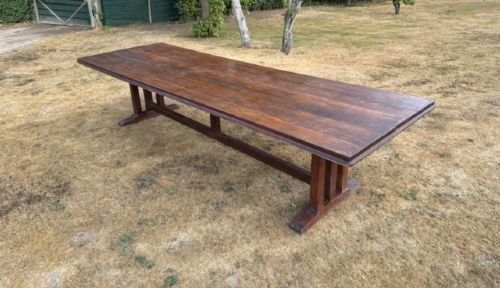
- Refectory table
- A long, narrow dining table traditionally built for communal eating. These pieces rely on sturdy stretcher bases to support substantial timber tops.
- Occasional table
- A small movable piece designed for specific, intermittent use within a room. Examples include lamp, wine, and side tables placed beside seating.
- Drop-leaf
- A table featuring hinged flaps on the sides that fold down to reduce the footprint. Brackets swing out to support the leaves when raised.
- Campaign style
- Portable furniture built with brass corners, inset handles, and knock-down frames. British officers utilised these pieces during nineteenth-century military travel.
Rectangular Wooden Table: Frequently Asked Questions
How do I date a wooden table?
Dating relies on observing construction methods, tool marks, timber choices, and stylistic cues unique to periods like the Georgian or Edwardian eras.
Changes in hardware, such as brass screws and hinges, also provide clear chronological markers for a piece.
Are antique tables suitable for daily dining?
Many solid hardwood tables from the eighteenth and nineteenth centuries were built for heavy domestic use and remain entirely practical today.
Careful placement away from direct heat sources helps preserve the ancient timber and traditional finishes.
What is the difference between a centre table and an occasional table?
A centre table stands finished on all sides to sit in the middle of a room rather than against a wall.
An occasional table is typically smaller and intended to serve a specific spot near seating or corners.
How should I care for an antique wooden surface?
Maintenance requires regular dusting with a soft, dry cloth and occasional application of appropriate beeswax to nourish the wood.
Moisture and direct sunlight should be avoided to prevent warping, fading, or water marks on the polished finish.