



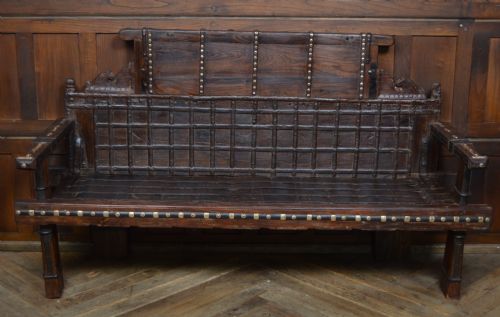


Reclaimed Wood Furniture
Reclaimed wood furniture brings character into a room through honest materials with real history behind them.
Reclaimed Wood Furniture
Reclaimed wood furniture encompasses practical items shaped from older timbers, spanning workbenches, storage chests, and seating. When you search for reclaimed wood furniture, you encounter sturdy pieces salvaged from architecture, transport, and domestic use.
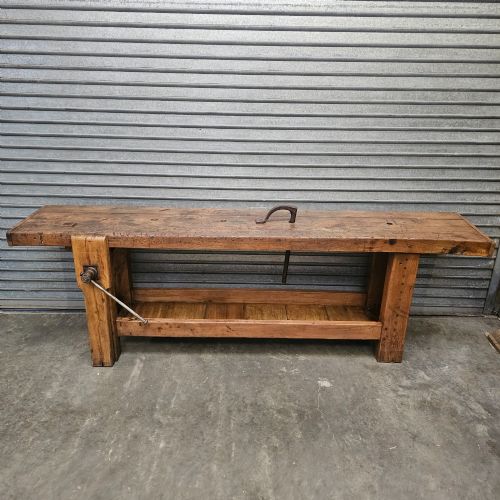
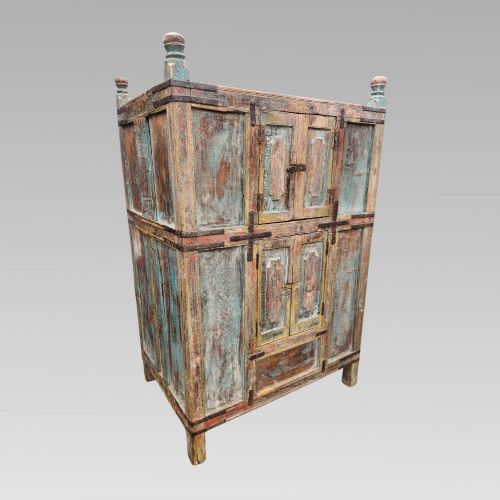
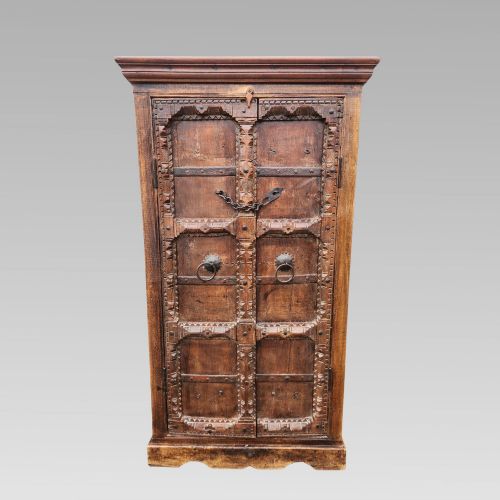
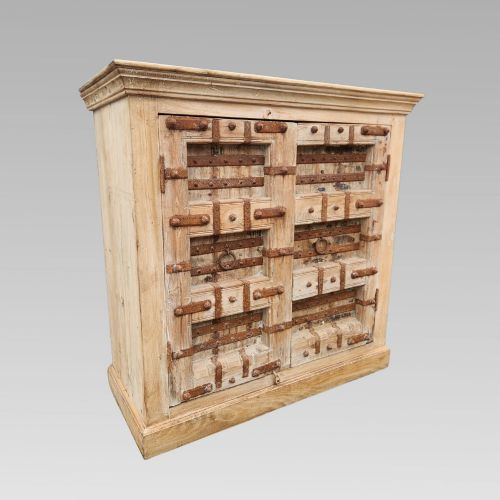
The selection here draws primarily upon nineteenth-century pieces alongside items from the Edwardian era and the year nineteen hundred. European workshop benches and traditional Indian storage cabinets form the core of what you will meet on this page.
Forms range from pine chapel pews and French trestle tables to heavy butcher blocks and industrial side tables. Each item retains the distinct marks of its earlier working life rather than arriving as a clean modern imitation.
How they were made
Makers utilised dense timbers such as pine, oak, teak, and hardwood, often combining them with iron and cast iron framework for structural strength. These materials endured decades of heavy use in workshops, Indian homes, and French kitchens.
Construction methods prioritised durability over refinement, employing visible joints, heavy brass fittings, and working vices on benches. Surfaces display the natural weathering, silvered patinas, and tool marks accumulated over generations of service.
Reclaimed Wood Furniture Retail Price Guide 2026
Typical asking prices for reclaimed wood furniture among the pieces listed under this phrase on Sellingantiques today, from the lower quarter to the upper quarter. They describe what is for sale here now, not the wider market.
Several items retain the chalk marks, ink stains, and heavy dents left behind by French artisans and Victorian butchers.
What varies in quality
The distinction between ordinary and superior pieces rests upon the integrity of the original timber and the authenticity of its wear. Pieces retaining their native hardware, such as working vices or original iron brackets, command closer attention from those who value genuine utility.
Proportion and structural balance also separate finer examples from heavier, clumsier forms. A well-proportioned workbench or a balanced Indian storage cupboard demonstrates how practical utility can align with strong architectural presence.
The Reclaimed Wood Furniture Glossary
- Almirah
- A freestanding cupboard or wardrobe used for storage. This term frequently appears in descriptions of traditional Indian furniture.
- Butchers Block
- A thick-topped wooden working surface designed for preparing meat. These blocks display heavy scoring from daily use.
- Campaign Chest
- A modular chest of drawers built in sections with brass corners and recessed handles for military transport. Victorian officers utilised them on the move.
- Chapel Pew
- A long wooden bench with a back, originally built for congregational seating in religious spaces. They are typically constructed from solid pine.
- Trestle Table
- A table consisting of two or more support frames connected by a horizontal beam. French examples often feature scrubbed pine tops.
Reclaimed Wood Furniture: Frequently Asked Questions
What is reclaimed wood furniture?
Reclaimed wood furniture is built using older timber salvaged from buildings, vehicles, and workshops rather than newly felled trees. This approach preserves dense, mature grain that modern commercial timber rarely provides.
Items range from French workbenches and pine pews to Indian teak storage cupboards. Each piece carries visible history in its surface marks and patination.
How do I clean reclaimed wood?
Dust surfaces regularly with a dry or slightly damp cloth to prevent dirt from settling into the grain. Avoid harsh chemical cleaners that strip the aged patina.
Applying a traditional beeswax helps nourish dry timber and maintains a soft sheen. Test any product on a small hidden area first.
Where does this furniture originate?
The pieces span various European and Asian traditions, including nineteenth-century French workshops, Swedish farmhouses, and Indian domestic settings. Architectural salvage also contributes structural elements like oak finials and entrance screens.
Each region utilised available hardwoods and softwoods according to local trades and daily requirements.
How can I tell the period?
Dating relies on construction methods, fastener types, and timber characteristics rather than labels alone. Machine-sawn marks differ from earlier hand-pit-sawn boards.
Hardware such as brass campaign mounts, cast iron bases, and dovetail joints provide reliable clues to Victorian or Edwardian manufacture.