




Reclaimed Metal Architectural Salvage
Reclaimed metal architectural salvage offers industrial strength and historic character for gardens and interiors, making these sturdy antique pieces essential for authentic period restoration.
Reclaimed Metal Architectural Salvage
When you search for reclaimed metal architectural salvage, you encounter heavy functional pieces salvaged from historic properties, gardens, and estates. The selection spans the eighteenth century through the Edwardian period, capturing utility and design from past eras.
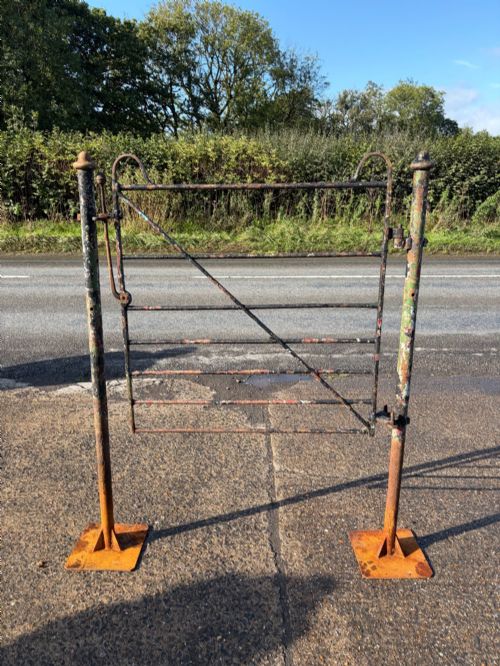
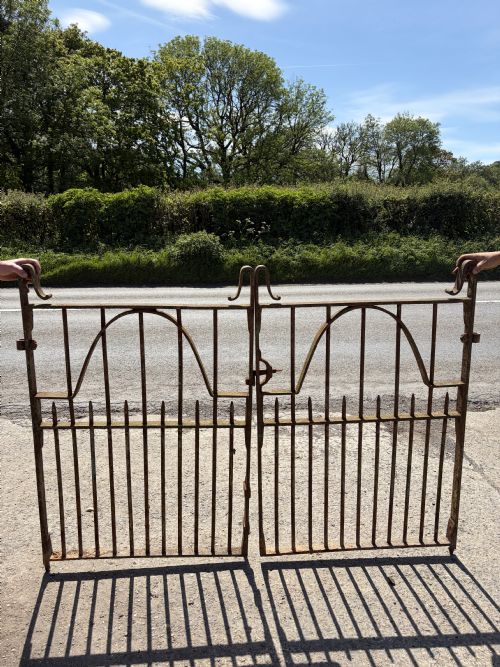
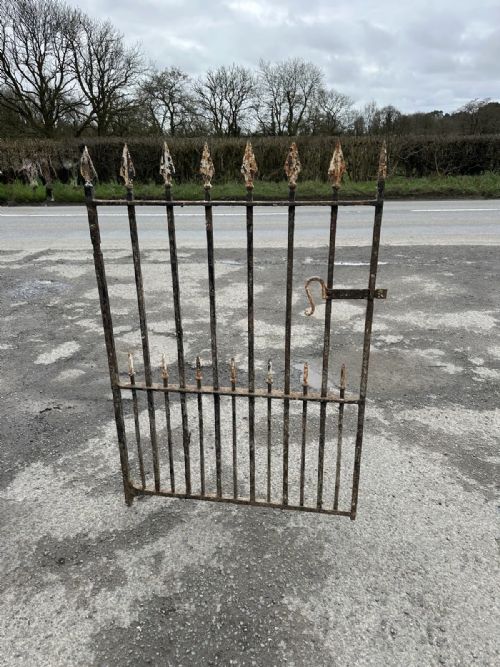
You are most likely to meet sturdy gates and garden entrances on this page, dominated by wrought iron and cast iron construction. These items range from simple agricultural kissing gates to elaborate estate entrances featuring traditional strapwork.
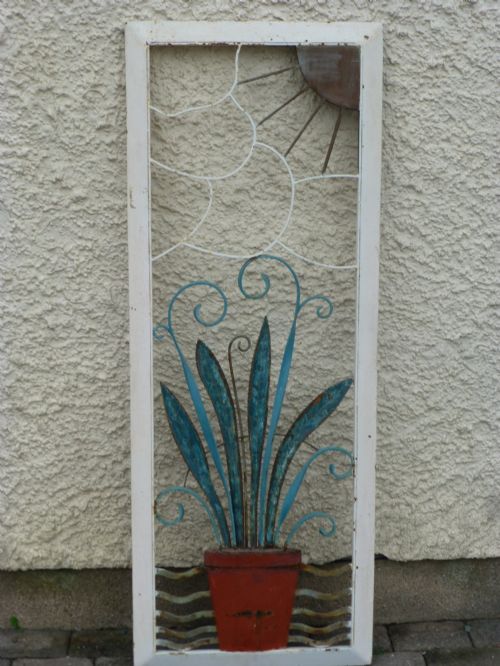
Beyond exterior barriers, the material record includes smaller functional elements like cast bronze door handles, heavy tower bells, and wall mirrors fashioned from salvaged windows. Industrial panels and hay racks also appear, reflecting the diverse origins of salvaged metalwork.
Materials and construction methods
Blacksmiths and foundries utilised wrought iron and cast iron to shape durable architectural elements that could withstand heavy daily use and exposure to the weather. Wrought iron allows for hand-forged strapwork and scrolling, while cast iron delivers intricate rigidity for panels and brackets.
Bronze and copper alloy appear in smaller hardware pieces, such as door handles and bells, offering corrosion resistance and a pleasing metallic weight. Glass also integrates into the salvage inventory when framed within salvaged window mirrors.
Makers combined casting and forging techniques, evident in pieces that pair cast structural elements with wrought iron framing. Riveting and joining methods from the nineteenth and early twentieth centuries ensure structural longevity.
Reclaimed Metal Architectural Salvage Retail Price Guide 2026
Typical asking prices for reclaimed metal architectural salvage among the pieces listed under this phrase on Sellingantiques today, from the lower quarter to the upper quarter. They describe what is for sale here now, not the wider market.
Functional forms range from massive eight-foot estate gates and tower bells down to small door handles, window mirrors, and stable hay racks.
Assessing quality in metal salvage
The distinction between standard utility items and exceptional architectural salvage lies in the complexity of the metalwork and the integrity of the original construction. Hand-forged strapwork and detailed casting demonstrate superior craftsmanship compared to mass-produced industrial output.
Substantial weight and material thickness indicate a higher grade of metal, particularly in estate gates and heavy bronze bells designed for institutional or tower use. The presence of named designer influence, such as Art Deco pieces by Raymond Subes, elevates the design pedigree.
Original surface patination and the survival of secondary details, such as trident motifs on garden gates or matching push plates on hardware, separate well-preserved survivals from heavily altered examples.
Raymond Subes
The Reclaimed Metal Architectural Salvage Glossary
- Strapwork
- Flat bands of metal arranged in intersecting patterns to reinforce and ornament large gates and heavy doors. This technique provides structural rigidity while adding decorative linear detail.
- Kissing gate
- A small pedestrian gate that swings within a U-shaped or V-shaped enclosure, allowing only one person to pass at a time. They were common in rural boundaries and estate walks.
- Hay rack
- A metal trough or basket formerly used to hold fodder for livestock in stables. In salvage terms, these are repurposed as wall planters or decorative interior storage.
- Push plate
- A protective metal plate affixed to a door at handle height to prevent wear from hands. Matching sets often include complementary door handles.
- Architectural salvage
- Building components and structural elements rescued from demolition or renovation for reuse in new contexts. These pieces retain historic materials and manufacturing techniques.
Reclaimed Metal Architectural Salvage: Frequently Asked Questions
What periods do these pieces come from?
The available salvage spans from the eighteenth century through the Victorian and Edwardian eras, extending into the nineteen-twenties.
Most items originate in the nineteenth century, reflecting the heavy industrial output and estate building of that period.
How were heavy estate gates used?
Large wrought iron estate gates served as secure vehicular and pedestrian entrances to grand properties, farmsteads, and parks. They controlled access while establishing the boundary aesthetic of the estate.
Smaller variants, such as kissing gates, managed pedestrian traffic along rural pathways and garden boundaries.
Can antique iron gates be installed outdoors?
Wrought and cast iron pieces are naturally suited for exterior garden placement, having been built to withstand centuries of weathering. Proper anchoring and maintenance help preserve the metal against active oxidation.
Consulting a specialist ensures that heavy antique hardware is hung securely on modern posts or masonry.
What is architectural salvage used for today?
Buyers integrate reclaimed metalwork into contemporary gardens as functional gates, trellises, and boundary markers. Interior designers utilise industrial panels, window mirrors, and hardware for period restoration projects.
These salvaged elements introduce authentic historic character and robust materials into modern spaces.