



Reclaimed Garden Planter
These reclaimed garden planter items are practical vessels built from stone, terracotta, and cast iron to anchor an outdoor space.
Reclaimed Garden Planter
A reclaimed garden planter brings functional age to a terrace or garden through repurposing architectural elements and agricultural vessels. When you search for a reclaimed garden planter, you encounter robust objects adapted from earlier utilitarian roles such as holding plants, water, or feed.
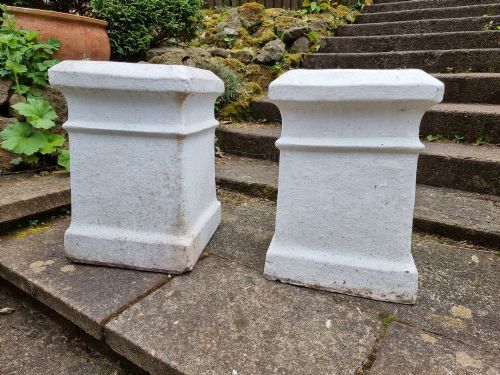
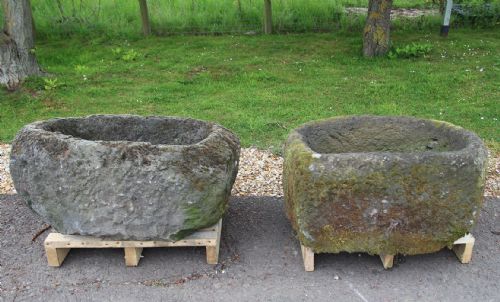
The selections available here span from the nineteenth century back to pre-sixteenth century fragments. You will frequently meet chimney pot pedestals, stone troughs, and large pancheons alongside repurposed millstones and hay racks acting as planters.
Origins stretch across vernacular agricultural and architectural salvage traditions, drawing on periods like the Victorian era and Georgian times. Each piece retains the marks of its former industrial or domestic function before entering the garden.
Materials and construction
Makers shaped natural stone, limestone, sandstone, granite, and Purbeck stone by hand using heavy cutting and carving techniques. These durable geological materials withstand outdoor weathering while maintaining their original architectural profiles.
Clay vessels utilise buff clay and terracotta fired in kilns to achieve dense, porous bodies suited for holding earth. Cast iron elements involve pouring molten metal into sand moulds to create robust agricultural hay racks and fittings.
Surface treatments appear as bare weathered stone, painted finishes, and natural patinas accumulated over centuries of exposure. The combination of heavy masonry and fired earthenware defines the physical substance of these garden pieces.
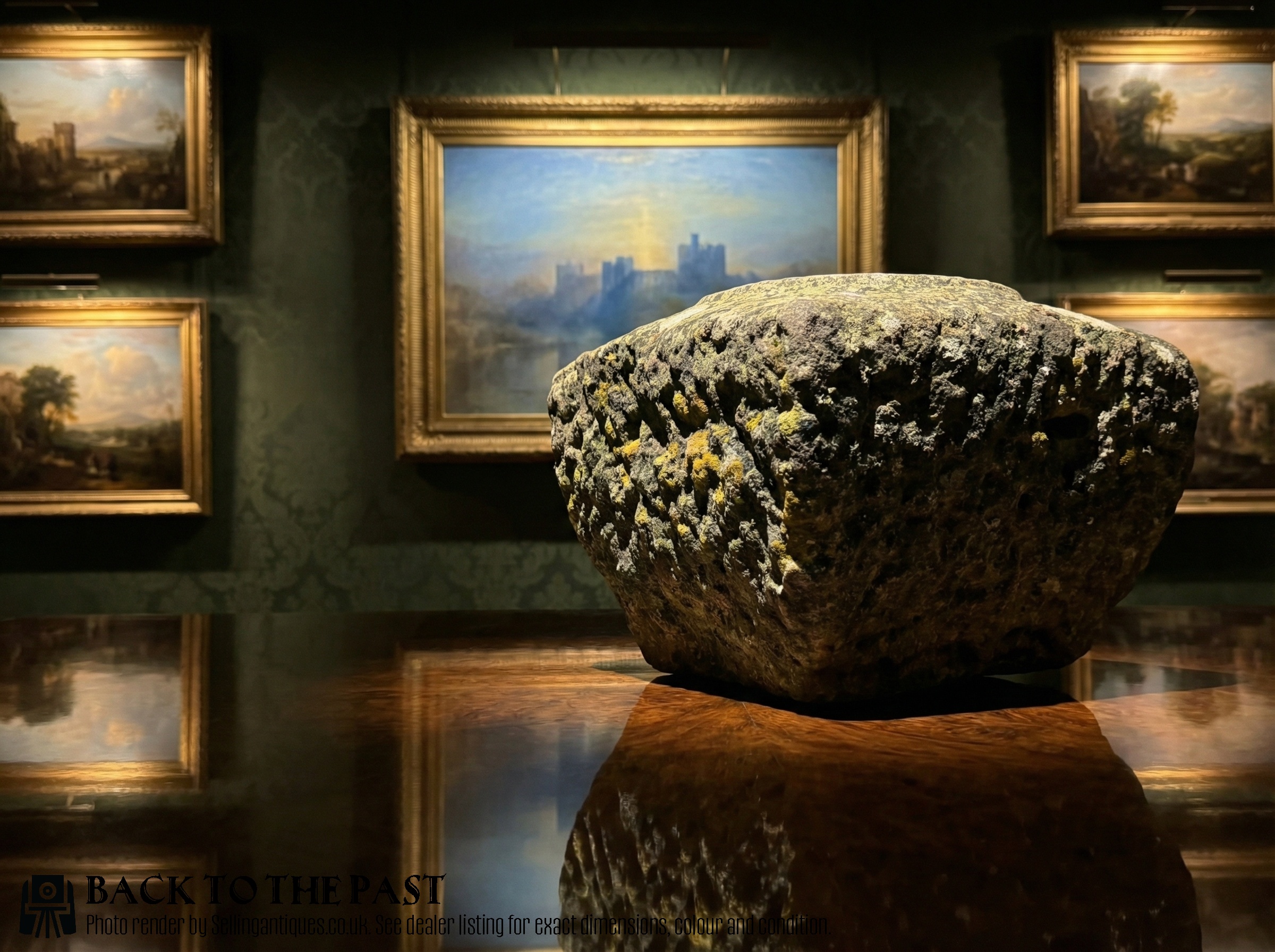
A piece of stone from the Houses of Parliament damaged in the Blitz during the Second World War now lives a second life as a garden planter.
Assessing quality in garden antiques
Quality rests upon the integrity of the material and the character of the weathering acquired over time. Dense granites and hard limestones hold their carved details far better than softer clays subject to frost spalling.
The directness of the conversion from an industrial or architectural salvage piece to a planter dictates success. Pieces that retain their original scale and utilitarian honesty without awkward alterations sit better in a garden scheme.
The Reclaimed Garden Planter Glossary
- Chimney pot
- A cylindrical clay or terracotta structure placed at the top of a chimney to improve draught, often repurposed here as a tall garden planter.
- Pancheon
- A wide, shallow earthenware vessel traditionally used in dairies for setting milk, now utilised as a low garden planter.
- Millstone
- A heavy circular stone used in pairs for grinding grain, occasionally adapted as a stable base or garden feature.
- Hay rack
- An agricultural iron frame designed to hold feed for livestock, repurposed in gardens for wall planting.
- Architectural salvage
- Building components rescued from demolition or alteration for reuse in new contexts.
Reclaimed Garden Planter: Frequently Asked Questions
How do I use stone troughs outdoors?
Stone troughs make ideal freestanding planters for alpines and slow-growing plants due to their thick walls and natural drainage properties. Position them directly on soil or gravel to ensure proper water movement through the base.
Protect delicate plantings from severe winter freezes if the stone has existing hairline fractures from its previous utilitarian life.
Can terracotta chimney pots handle frost?
Buff clay and terracotta pots absorb moisture, which expands during freezing temperatures and can cause surface cracking over time. Raise pots slightly off the ground on pot feet to let trapped water escape freely during winter.
Lining the inner walls with protective matting also helps buffer the expansion of damp compost against the historic clay.
How do I clean antique garden stone?
Wash accumulated dirt and debris away using plain water and a soft-bristled brush rather than harsh chemical detergents. Preserving the natural lichen and weathering patinas maintains the historic character of the stone.
Avoid high-pressure washers because they strip away the soft outer surfaces of nineteenth-century limestone and sandstone.
Where should I place a heavy millstone base?
Site heavy granite and limestone millstone bases on firmly compacted ground or paved footings to prevent uneven sinking. Their significant weight requires careful positioning before planting or displaying focal items on top.
Use professional lifting equipment when moving massive stone pieces to protect both the material and your landscape.