





Reclaimed Garden Ornament
A reclaimed garden ornament brings genuine age and heavy stone character to an outdoor space, anchoring paths and borders with centuries of weathering.
Reclaimed Garden Ornament
The selections span from robust staddle stones and millstones to gothic pinnacles, chimney pots, and carved animal figures. Pieces originate primarily from nineteenth-century vernacular and Gothic revival traditions, alongside earlier medieval stonework such as limestone pinnacles from major ecclesiastical sites.
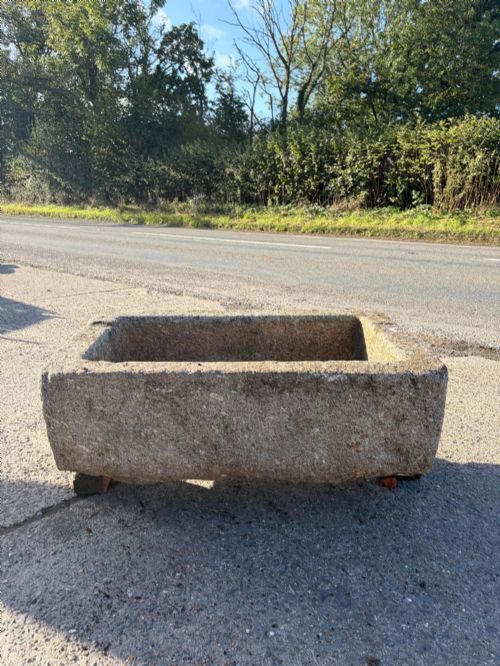
Granite troughs and staddle stones dominate the practical forms, while tall chimney pots and buff clay vessels serve effectively as garden planters or pedestals. Each object carries the distinct marks of weathering, including accumulated moss, lichen, and natural erosion from decades outdoors.
How they were made
Stonemasons shaped granite, sandstone, limestone, and Purbeck stone by hand utilising traditional quarrying and chiselling tools to produce troughs, bases, and architectural fragments. This manual labour resulted in irregular surfaces and distinct tool marks that machinery could not replicate.
Clay chimney pots and garden planters were thrown or moulded from terracotta and buff clay before undergoing kiln firing to achieve durable structures capable of withstanding frost and moisture. Natural elements like moss and lichen subsequently colonised these porous surfaces over many years of exposure.
Reclaimed Garden Ornament Retail Price Guide 2026
Typical asking prices for reclaimed garden ornament among the pieces listed under this phrase on Sellingantiques today, from the lower quarter to the upper quarter. They describe what is for sale here now, not the wider market.
Recorded periods span from pre-sixteenth century ecclesiastical fragments through eighteenth-century staddle stones to nineteenth-century chimney pots and grindstones.
What varies in quality
Quality rests in the geological integrity of the stone, the depth of historical weathering, and the sculptural ambition of the carving. Dense materials like Cornish granite and Yorkshire limestone endure structural weathering far better than softer clays.
Provenance and original architectural context elevate certain pieces, such as fragments salvaged directly from historic ecclesiastical buildings. The balance of proportion and the undisturbed accumulation of lichen further distinguish exceptional garden ornaments from standard utilitarian salvage.
The Reclaimed Garden Ornament Glossary
- Staddle stone
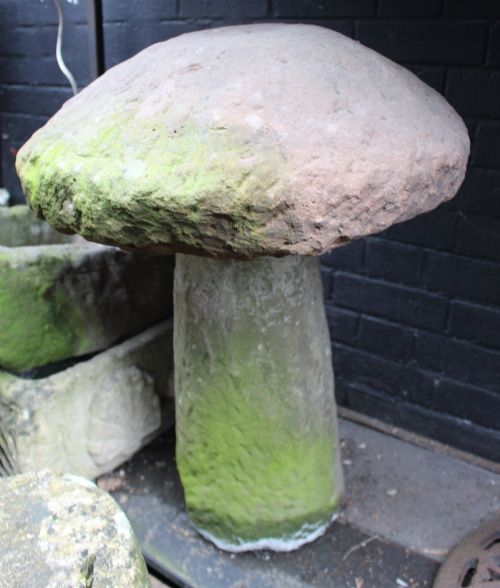
- A mushroom-shaped stone support originally used to elevate granaries above damp ground and deter vermin. These agricultural structures now function as prominent garden ornaments.
- Millstone
- A heavy circular stone wheel historically used for grinding grain or minerals. Their worn surfaces and central apertures suit horizontal placement within landscaping schemes.
- Chimney pot
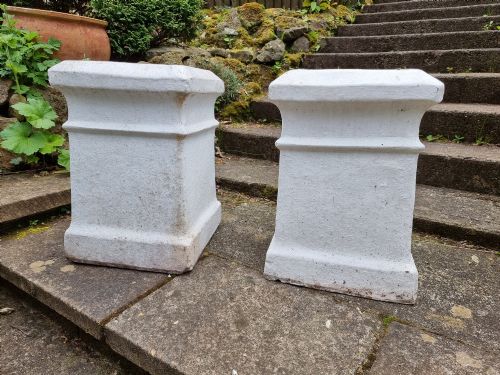
- A cylindrical clay or terracotta structure designed to improve draught in a fireplace. Salvaged examples serve as tall garden planters and architectural pedestals.
- Gothic revival
- An architectural style reviving medieval Gothic forms during the eighteenth and nineteenth centuries. Pieces from this movement often feature pointed arches and ecclesiastical detailing.
- Architectural salvage
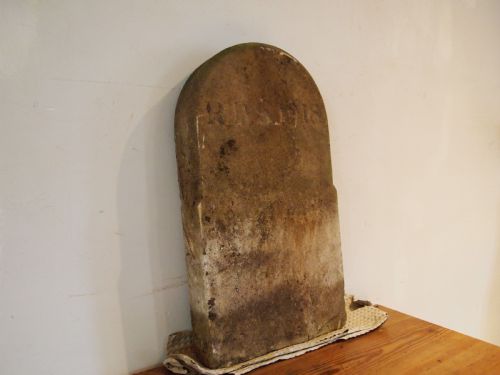
- Building components rescued from demolition or alteration for reuse in new contexts. This category encompasses keystones, pinnacles, and carved stone fragments.
Reclaimed Garden Ornament: Frequently Asked Questions
What is a staddle stone?
A staddle stone is a mushroom-shaped support block built from sandstone or granite to elevate wooden barns. They are now used as garden ornaments.
Their distinct cap and base design provides an architectural silhouette in borders and lawns.
How do I use a chimney pot in the garden?
Tall chimney pots made from terracotta or buff clay serve effectively as garden planters or pedestals. Their vertical form introduces height to planting schemes.
Ensure adequate drainage at the base before filling them with soil for seasonal displays.
Are millstones heavy?
Granite and limestone millstones are exceptionally heavy due to their solid circular mass. Their weight keeps them stable on the ground without requiring mortar.
Lifting and positioning these items requires specialist equipment and careful site planning.
How do I identify stone types?
Sandstone and limestone exhibit visible sedimentary layers and granular textures shaped by weathering. Granite and Purbeck stone present harder, crystalline surfaces.
Lichens and moss growth often help distinguish older stone surfaces from modern replacements.