

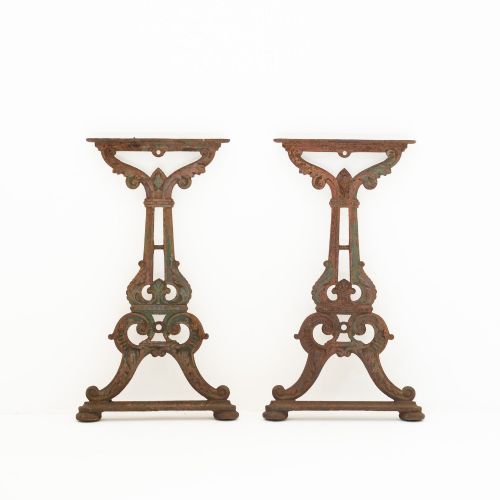


Reclaimed Dining Table
These reclaimed dining table pieces combine sturdy aged timber with robust metal framing to anchor a room with enduring character.
Reclaimed Dining Table
A reclaimed dining table brings together older industrial elements and rustic timber surfaces to create a functional centrepiece for a home. When you search for a reclaimed dining table, you encounter diverse forms ranging from French bistro tables to English tavern trestle tables.
The pieces listed here span the nineteenth century through to the nineteen-twenties, drawing on Victorian and industrial traditions. Pine and oak feature heavily alongside cast iron, steel, and painted surfaces.
You are most likely to meet sturdy wooden tops paired with heavy metal or iron bases, reflecting a history of practical use in workshops, taverns, and country homes. These tables balance utility with a distinct patinated aesthetic.
How they were made
Makers constructed these pieces using solid timbers such as pine and oak, often selecting boards with visible grain and knots from previous architectural or functional lives. These wooden tops are joined to structural metal components like cast iron and steel.
Many examples utilise trestle frames and heavy iron bases that provide substantial weight and stability. Surfaces often retain layers of old paint, bleached finishes, or natural weathering accumulated over decades of service.
Reclaimed Dining Table Retail Price Guide 2026
Typical asking prices for reclaimed dining table among the pieces listed under this phrase on Sellingantiques today, from the lower quarter to the upper quarter. They describe what is for sale here now, not the wider market.
English tavern styles and French bistro forms appear alongside industrial trestle work tables.
What varies in quality
Quality rests in the integrity of the original construction and the character of the surface patination. Tables that retain honest layers of old paint or well-weathered timber demonstrate a superior visual depth.
The combination of materials dictates the overall balance, where solid oak or pine tops secured to heavy cast iron or steel bases display superior craftsmanship and enduring stability.
The Reclaimed Dining Table Glossary
- Trestle table
- A table featuring a horizontal beam supported by two trestles or upright feet. This form allows maximum legroom along the length of the top.
- Cast iron
- An iron-carbon alloy poured into moulds to create intricate and heavy structural supports. It provides immense rigidity for industrial bases.
- Patina
- The surface appearance altered by age, wear, and exposure to the elements. Collectors value this natural historical record.
- Bleached wood
- Timber treated to lighten its natural colour while preserving the underlying grain. This finish appears frequently on French tables.
Reclaimed Dining Table: Frequently Asked Questions
What is a reclaimed dining table?
A reclaimed dining table uses older timber and industrial metal components assembled into a functional eating surface. These pieces combine historic materials with enduring structural forms.
They bring an authentic rustic or industrial aesthetic to modern dining spaces through their weathered surfaces and robust construction.
How do I care for my table?
Maintain your table by dusting regularly and wiping spills promptly with a damp cloth. Avoid harsh chemical cleaners that might strip the aged finish or patinated paint.
Applying natural wax occasionally helps protect wooden surfaces while preserving their characteristic texture and historical appearance.
How are different periods identified?
Periods are identified through construction methods, material combinations, and surface treatments. Nineteenth-century examples often feature hand-worked pine or tavern trestle designs.
Later pieces from the early twentieth century frequently incorporate industrial steel framing and painted finishes derived from workshop use.
Where were these tables used?
These tables originated in diverse settings including French bistros, English taverns, and industrial workshops. Their robust design suited practical, heavy-duty environments.
Today, those same functional origins translate into sturdy dining furniture suitable for everyday family life.