



Reclaimed Architectural Metal
Reclaimed architectural metal brings historic strength and character to a property through salvaged gates, brackets and hardware.
Reclaimed Architectural Metal
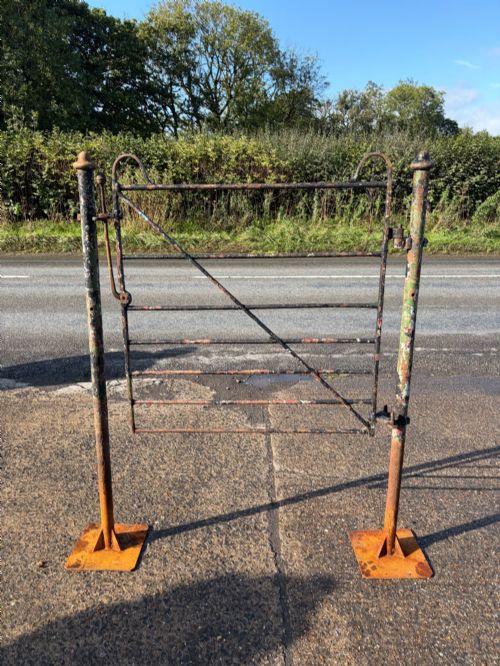
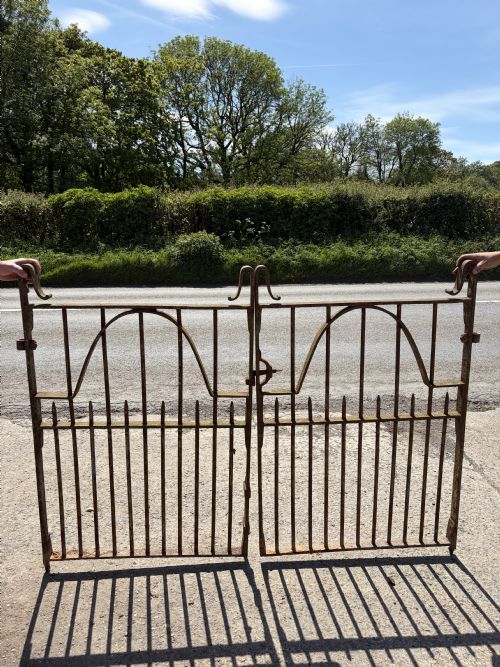
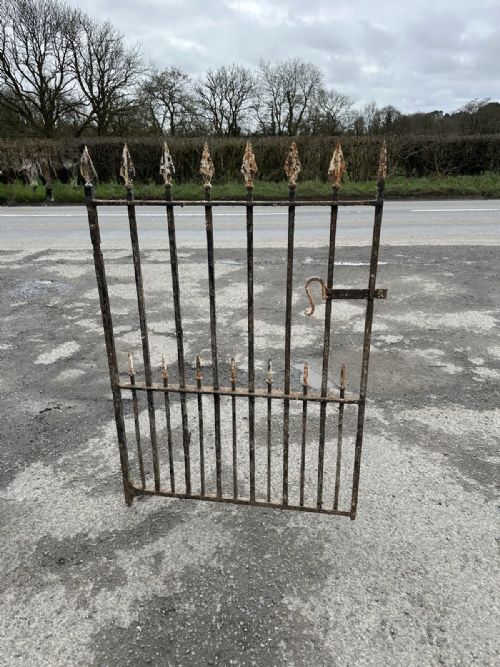
Reclaimed architectural metal encompasses sturdy fixtures and structures recovered from older buildings and estates, spanning periods from the eighteenth century to the early twentieth century. When searching for reclaimed architectural metal, buyers encounter functional items shaped by past demands, including garden gates, estate gates, door hardware, bells and window mirrors.
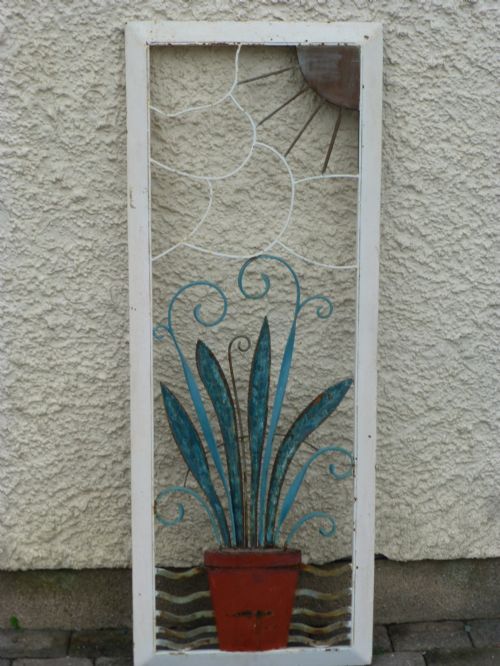
The nineteenth century and the Victorian era dominate the selection, offering substantial wrought iron and cast iron pieces like strapwork estate gates and pedestrian field gates. Alongside these large entranceways, smaller salvaged elements such as heavy bronze bells, iron hay racks and architectural panels appear across various rustic and classical revival styles.
How these pieces were made
Blacksmiths and founders shaped these items primarily from wrought iron and cast iron, utilising hammering, strapwork assembly and casting techniques suited to heavy everyday use. Wrought iron pieces rely on hand-forged bars joined for flexibility and strength, while cast iron and cast bronze components draw their forms from molten metal poured into moulds.
Decoration often merges with structure, as seen in trident details on gates, curved ironwork pieces and cast bronze door handles with matching push plates. Surviving remnants of original paint and patinated copper alloy surfaces show how these materials weathered decades of exposure before salvage.
Reclaimed Architectural Metal Retail Price Guide 2026
Typical asking prices for reclaimed architectural metal among the pieces listed under this phrase on Sellingantiques today, from the lower quarter to the upper quarter. They describe what is for sale here now, not the wider market.
Some historic iron gates arrive with their original closing latches still clicking firmly after more than a century outdoors.
What varies in quality
Quality in reclaimed architectural metal rests upon the integrity of the original construction, the heft of the material and the clarity of decorative elements like strapwork and cast detailing. Substantial gauge iron and heavy cast bronze retain their structural form better than lighter alternatives over centuries of weathering.
The degree of original preservation also separates pieces, with intact pairs of gates, matching hardware sets and uncompromised structural brackets holding greater architectural presence than isolated or heavily altered fragments.
Raymond Subes
The Reclaimed Architectural Metal Glossary
- Wrought iron
- A tough, malleable form of iron traditionally worked by hand into bars and strapwork for gates and architectural fixtures. Its fibrous internal structure resists shock and fatigue.
- Cast iron
- Iron melted and poured into a mould to take complex shapes for panels, brackets and structural hardware. It offers high compressive strength but remains brittle under sudden impact.
- Strapwork
- Flat bands of metal arranged in intersecting patterns to reinforce and decorate large estate gates and doors. This technique provides both visual rhythm and structural bracing.
- Kissing gate
- A small pedestrian gate that swings within a U-shaped or V-shaped enclosure, allowing one person through at a time while keeping livestock contained. They are frequently framed in wrought iron.
- Hay rack
- A metal trough or basket mounted in stables to hold feed for livestock, often formed from sturdy iron bars designed to withstand daily use by animals.
Reclaimed Architectural Metal: Frequently Asked Questions
How are heavy iron gates installed?
Heavy wrought iron gates require robust mounting posts and solid anchor points to support their considerable weight over long spans. Proper alignment ensures the heavy structure swings freely without sagging.
Professional fitting is usually necessary for estate gates and pedestrian field gates due to the stress placed on hinges and surrounding masonry. Ensuring correct load distribution protects both the historic metalwork and the supporting piers.
Can historic ironwork be used outdoors?
Most reclaimed architectural metal, including nineteenth-century garden gates and iron brackets, was originally manufactured for exterior exposure and thrives in open air. Applying appropriate protective coatings helps manage weathering.
While materials like wrought iron and cast bronze endure the elements well, regular maintenance prevents excessive oxidation. Positioning pieces to avoid standing water preserves their structural integrity.
How do you date architectural metal?
Dating architectural metal involves examining manufacturing techniques, such as distinguishing between hand-forged wrought iron and later machine-rolled steel or mass-produced cast iron. Stylistic clues like Victorian Gothic motifs or Art Deco geometry also narrow down the era.
Construction methods like strapwork assembly and specific hardware fasteners provide further chronological indicators. Comparing the piece against documented examples from periods like the Victorian era or the early twentieth century confirms its age.