







Qing Style Porcelain Lamps
These qing style porcelain lamps combine centuries-old ceramic vases with later lighting mounts, offering a distinctive decorative presence for any interior.
Qing Style Porcelain Lamps
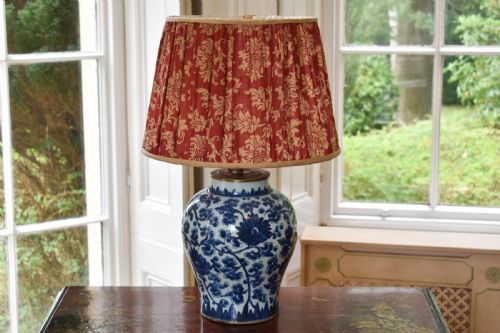
When you search for qing style porcelain lamps, you encounter vessels originally made as vases, ginger jars or lidded vessels that have subsequently been converted into table lamps. The ceramic bodies span the eighteenth and nineteenth centuries, alongside pieces made in the early twentieth century.
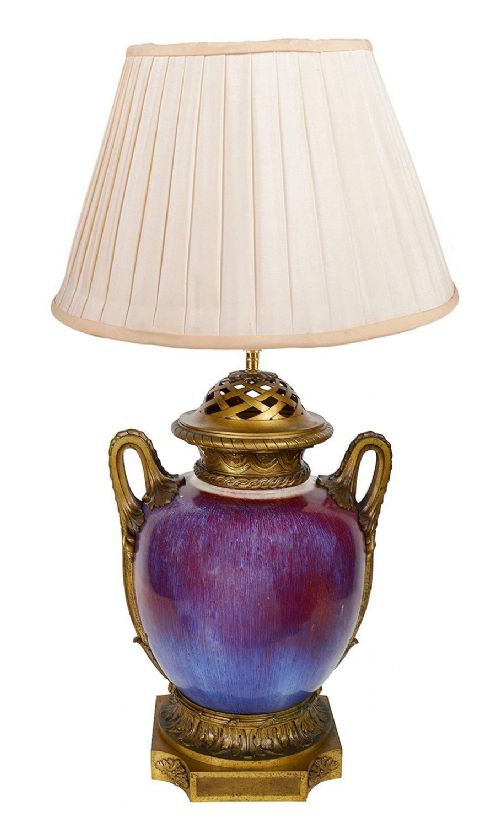
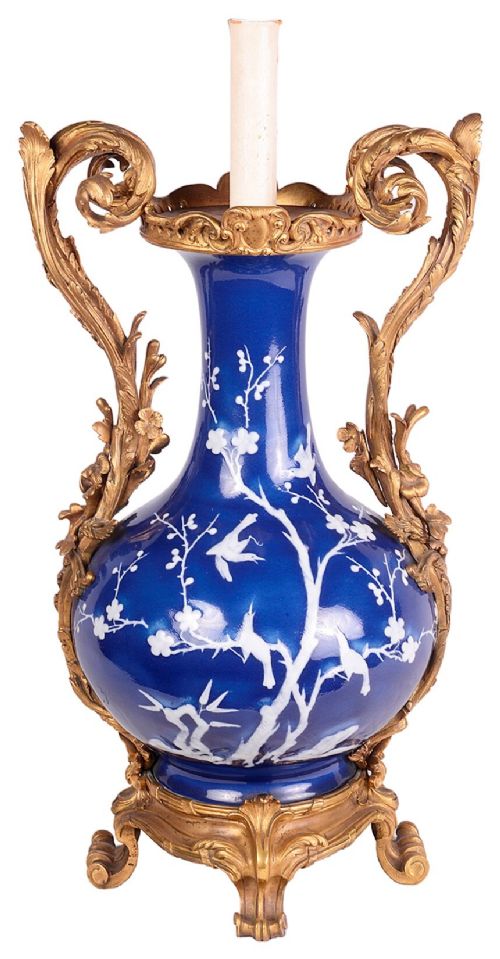
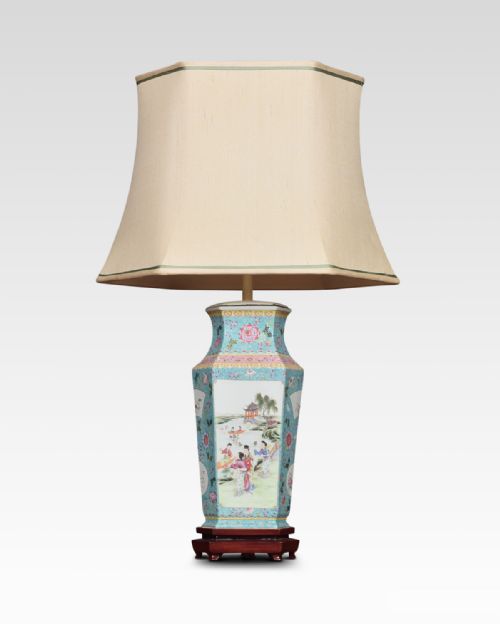
The forms on this page include baluster vases, ginger jars and lidded vessels decorated in palettes such as blue and white, famille verte, famille rose, sang de boeuf, celadon and powder blue. Many utilise crackleware glazes or traditional Chinese export designs.
Most examples date from the nineteenth century, including pairs and single table lamps mounted on bases of brass, wood, metal or gilt bronze, often paired with fabric or silk shades.
How they were made
The ceramic components are formed from porcelain and ceramic, fired with coloured glazes and enamel pigments including the rich copper reds of sang de boeuf and the soft green tones of celadon. Many vessels feature hand-painted details characteristic of Chinese export and Qing dynasty workshops.
Conversion into lamps involved mounting the ceramic bodies onto metal, brass, gilt bronze or wood bases, and incorporating electrical fittings alongside fabric or silk shades.
Qing Style Porcelain Lamps Retail Price Guide 2026
Typical asking prices for qing style porcelain lamps among the pieces listed under this phrase on Sellingantiques today, from the lower quarter to the upper quarter. They describe what is for sale here now, not the wider market.
Listings feature porcelain vessels dating from the eighteenth century through to nineteen-twenty, incorporating materials such as brass, silk and gilt bronze.
What varies in quality
The distinction between ordinary and exceptional qing style porcelain lamps lies in the fineness of the ceramic body and the precision of the hand-painted enamels. Crisp cobalt blues, complex famille verte or rose scenes, and well-executed crackleware glazes indicate superior artistic achievement.
The quality of the conversion mounts also dictates the overall merit of the piece. Heavy cast or chased ormolu and brass mounts sitting harmoniously with antique porcelain elevate the finished lamp far above simpler alterations.
The Qing Style Porcelain Lamps Glossary
- Famille Verte
- A porcelain enamel palette dominated by green tones, introduced during the Qing dynasty. It often depicts elaborate floral and figural scenes.
- Sang de Boeuf
- A deep red copper glaze originating in Chinese ceramics, translating literally to oxblood. The rich colour results from high-temperature reduction firings.
- Celadon
- A pale green jade-like glaze applied to porcelain and stoneware. The subtle shade derives from iron oxide interacting within the kiln atmosphere.
- Baluster
- A vase shape with a rounded lower body tapering to a narrow neck. This traditional form provides a stable base for table lamp conversions.
- Crackleware
- A ceramic glaze characterised by a network of fine decorative cracks. This deliberate effect occurs during the cooling process as the glaze contracts at a different rate to the body.
Qing Style Porcelain Lamps: Frequently Asked Questions
Are these lamps made from antique vases?
The ceramic bodies originate from eighteenth, nineteenth and early twentieth century Chinese vases and ginger jars. These vessels were later converted into functional lighting.
Such adaptation preserves historic porcelain while allowing it to serve modern interior requirements.
Do these lamps come with shades?
Many examples are paired with fabric or silk shades that complement the proportions of the ceramic bases. The listings indicate whether a shade is included with the lamp.
Buyers often select bespoke shades to suit their interior colour schemes.
How do I identify different glaze colours?
Glaze names reflect traditional Chinese ceramic terminology, such as blue and white, famille rose, and powder blue. Sang de boeuf refers to deep red, while celadon denotes pale green.
Visual examination of the painted motifs and glaze textures clarifies the specific decorative style.
Can I find matching pairs?
The selection includes pairs of matching ginger jars and vase lamps alongside single pieces. Pairs are particularly sought after for balanced placement on sideboards or mantelpieces.
Dimensions are provided to help assess scale and symmetry.