



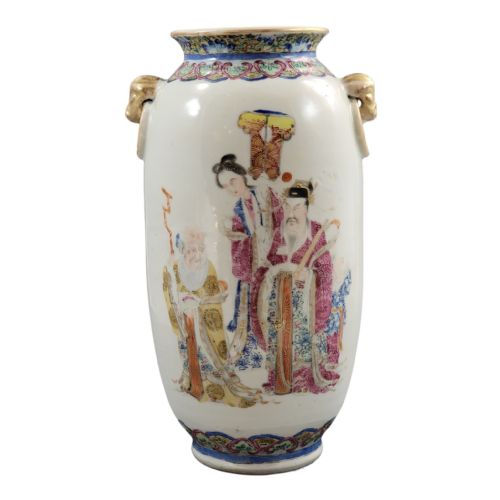
Qing Dynasty Jar
A qing dynasty jar brings centuries of imperial craftsmanship into a room through hand-painted cobalt, vibrant enamel, and crackle glazes.
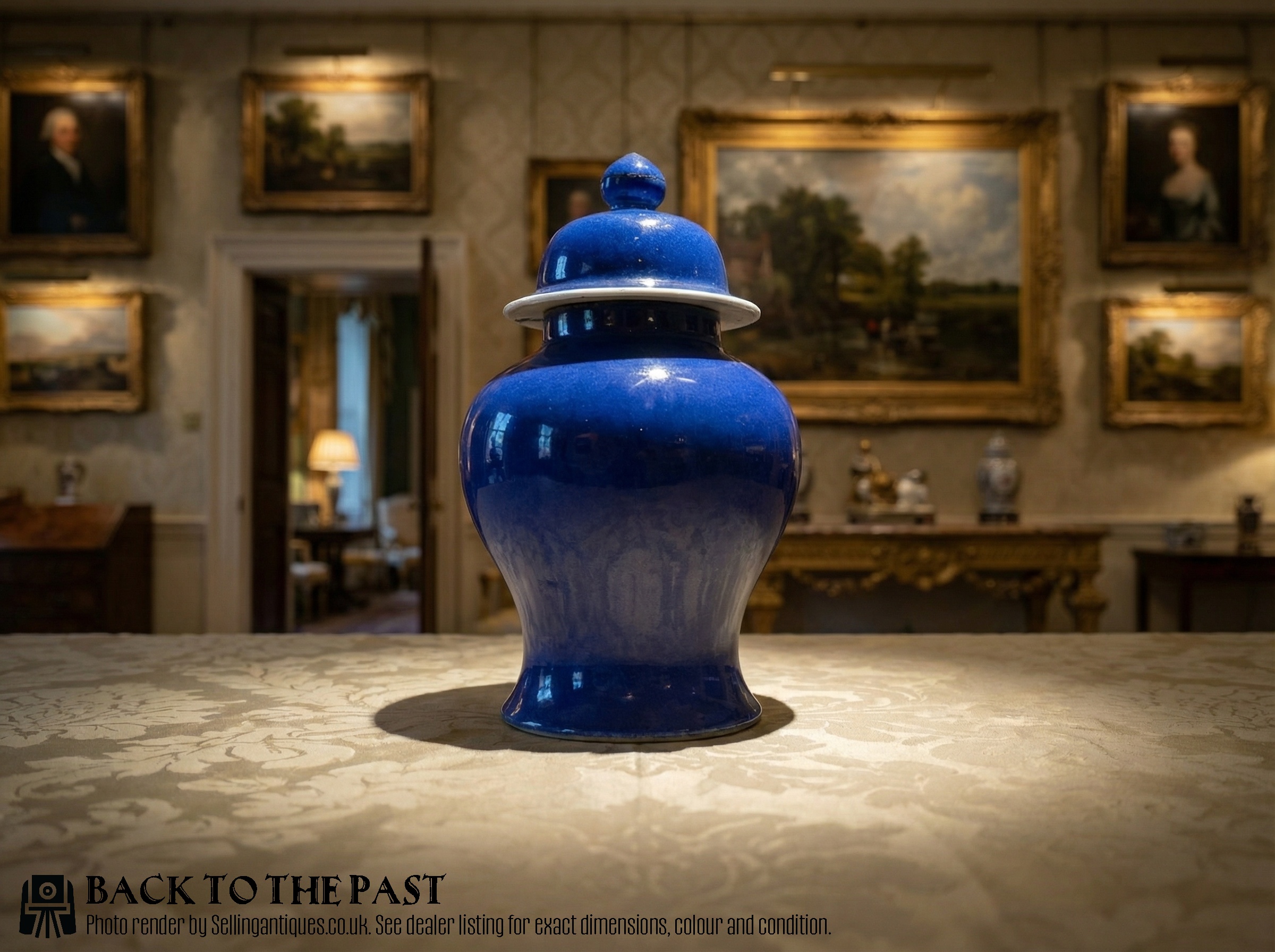
Qing Dynasty Jar
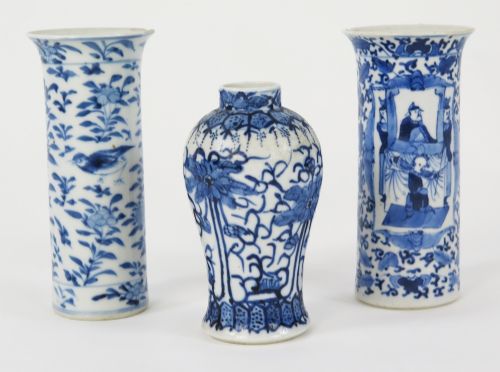
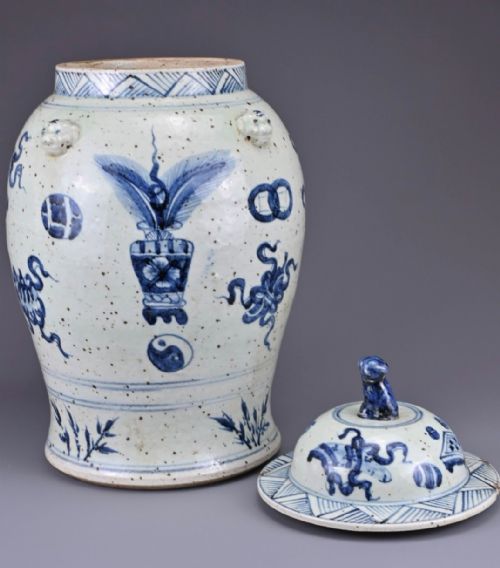
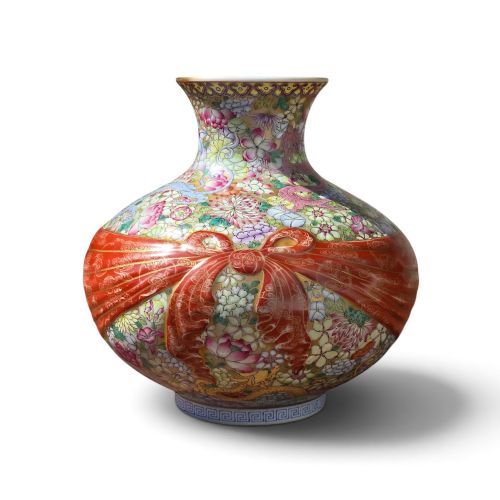
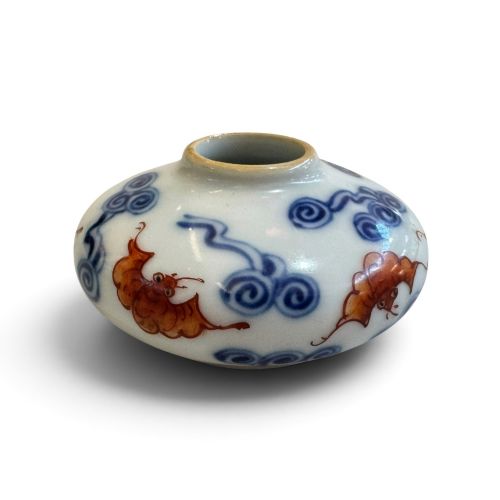
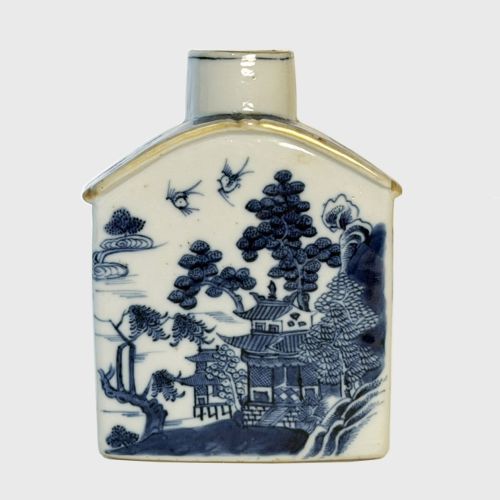
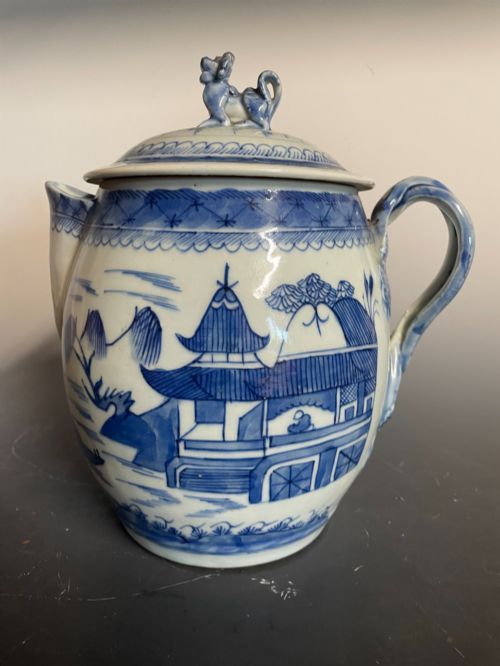
When searching for a qing dynasty jar, collectors encounter a diverse range of lidded vessels, ginger jars, and temple jars created during the Qing period and later revival eras. The forms span from robust baluster shapes and double-gourd silhouettes to globular containers designed for daily utility or scholarly display.
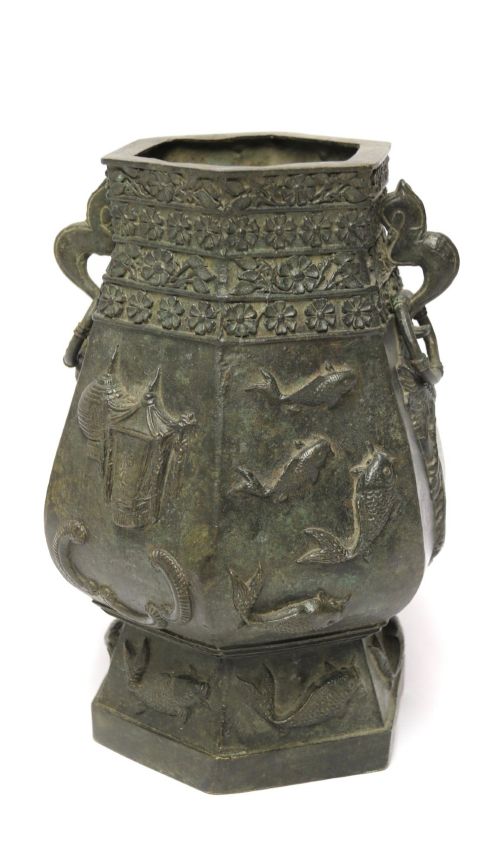
The pieces available on this page predominantly reflect nineteenth-century production, alongside eighteenth-century exemplars and later interpretations stretching towards the early twentieth century. Ceramic jars form the vast majority of the selection, accompanied by occasional variations in glass, bronze, and carved lacquer.
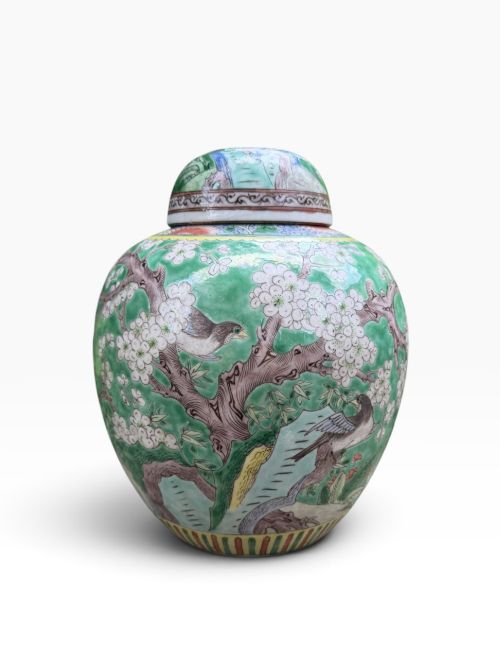
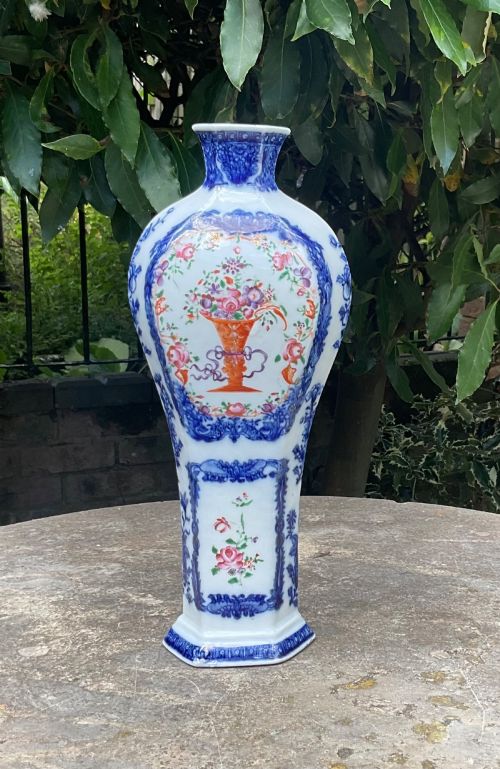
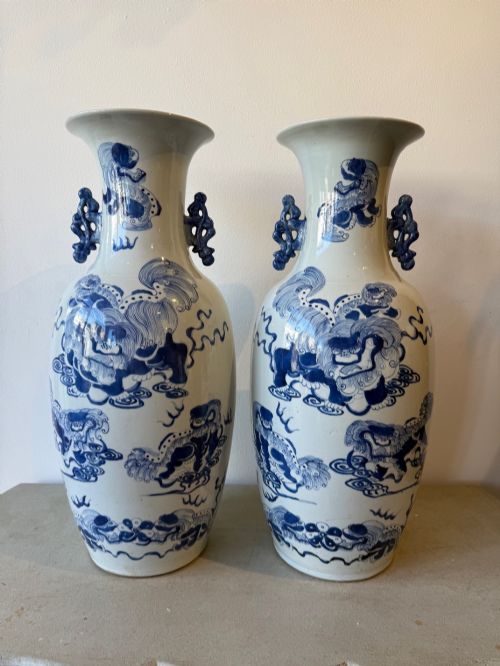
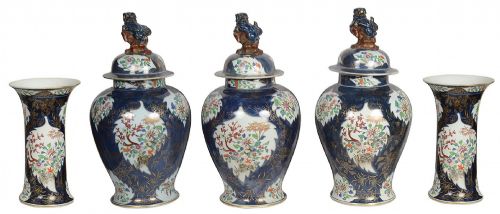
Originating largely from major kilns such as Jingdezhen, these vessels demonstrate both traditional imperial commissions and export wares made for Western markets. Buyers frequently find blue and white porcelain alongside polychrome enamelled pieces decorated in the famille rose or famille verte palettes.
How they were made
Potters shaped fine porcelain clay on the wheel or pressed it into moulds before applying mineral pigments beneath a clear glaze. Cobalt oxide provided the deep blue tones for underglaze painting, while copper and iron oxides contributed rich red and green hues.
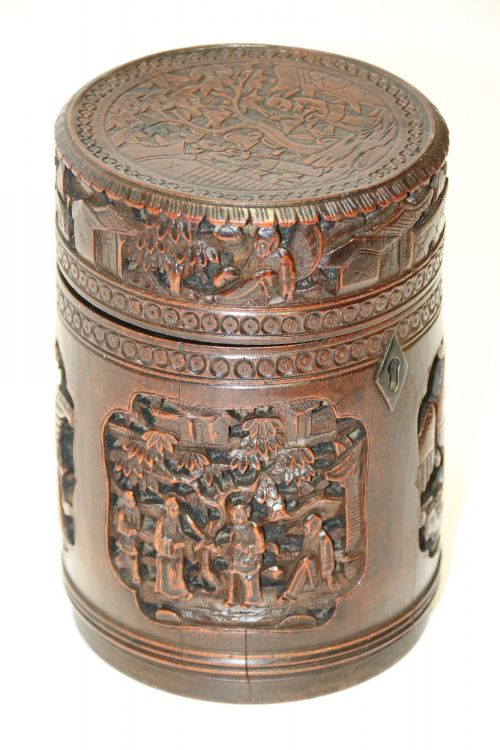
Polychrome decoration relied on enamel pigments applied over the fired glaze, requiring a secondary, lower-temperature firing to fuse the colours to the surface. Artisans also utilised carving techniques on materials like red cinnabar lacquer, bamboo, and hardwood to achieve deep relief ornamentation.
Specialised surface treatments such as crackle glazes, tea dust glazes, and powder blue backgrounds demanded precise control kiln temperatures and chemical compositions. Artisans often finished porcelain jars with hand-carved covers, while select European conversions added ormolu mounts.
A few clever birds occasionally perch on jar lids, frozen mid-song since the nineteenth century.
What varies in quality
The distinction between ordinary production and superior work lies in the crispness of the painted brushwork and the depth of the underglaze cobalt or enamel colours. Master painters achieved fluid, confident lines and subtle tonal gradations that lesser artisans failed to replicate.
Porcelain bodies exhibit variation in weight, density, and purity, with finer pieces showing an even translucency and immaculate surface preparation free from excessive kiln grit or warping. The harmony between the vessel form and its decorative scheme dictates the overall visual success of the piece.
Imperial marks or period-specific reign characters offer indications of intended workshop standards, though quality ultimately rests upon the execution of the glaze and the precision of the hand-painted motifs rather than the stamp alone.
The Qing Dynasty Jar Glossary
- Famille Rose
- A palette of opaque enamel colours dominated by pink or rose tones introduced during the Qing dynasty. This technique allowed for nuanced shading and detailed floral or figural compositions.
- Ginger Jar
- A high-shouldered storage jar traditionally used for spices and later adopted as an ornamental display piece. Most examples feature a matching domed lid and rounded body.
- Underglaze Blue
- A method of painting cobalt blue pigment directly onto the raw porcelain clay before applying a clear glaze and firing at high temperatures. This seals the pigment permanently beneath the glossy surface.
- Celadon
- A pale green jade-like glaze achieved through an iron-pigment reduction firing. The resulting surface varies from olive to grey-green tones with subtle crackle networks.
- Doucai
- A decorative technique combining underglaze blue outlines with overglaze enamel infills. Artisans first fired the blue contour before adding the vibrant colour washes for a subsequent low-temperature firing.
Qing Dynasty Jar: Frequently Asked Questions
How were ginger jars used?
Originally manufactured to store spices, salt, and oils for trade and domestic use, these lidded containers evolved into decorative objects within affluent interiors.
Over subsequent generations, collectors repurposed them as ornamental garniture sets or converted them into table lamps while retaining their distinct silhouettes.
What is the difference between famille rose and famille verte?
Famille rose relies primarily on an opaque pink enamel introduced in the eighteenth century, which enabled artists to paint soft facial tones and delicate floral petals.
Famille verte utilises a vibrant green-dominant palette of transparent overglaze enamels developed earlier, resulting in richer, more saturated primary colour schemes.
How do I identify a reproduction?
Examining the base and the interior potting reveals telltale signs of age, such as natural wear, foot-rim characteristics, and the chemical ageing of mineral pigments.
Modern copies frequently display uniform brushwork and synthetic glazes that lack the depth and subtle imperfections characteristic of nineteenth-century and earlier kilns.
Can these jars be displayed safely?
Placing ceramic vessels away from direct foot traffic and high-vulnerability edges ensures their physical security during daily home life.
Pairing jars with stable hardwood stands protects both the furniture surface and the rounded base of the porcelain vessel from accidental impacts.