



Purple Cut Glass
These purple cut glass pieces combine deep amethyst tones with precision faceting, offering both Victorian utility and decorative charm for any collector.
Purple Cut Glass
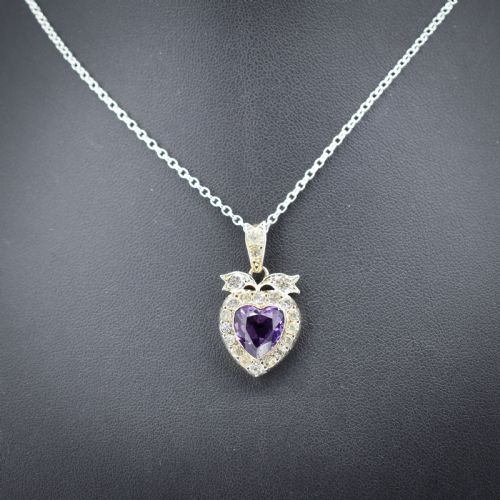
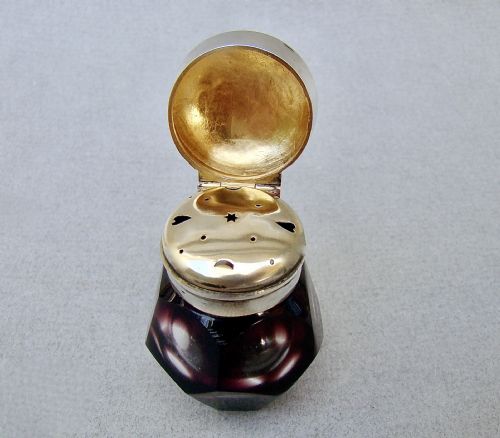
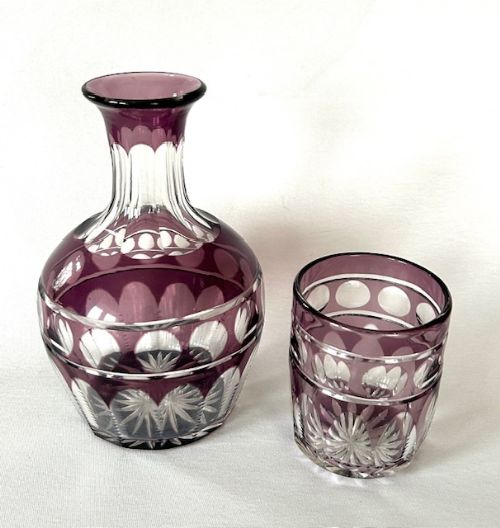
When you examine purple cut glass, you encounter a distinct group of items spanning the Victorian era through the Art Deco period, predominantly taking the form of scent bottles, vinaigrettes, pendants, and carafes. These objects serve both ornamental and functional roles, frequently incorporating precious metal mounts alongside deep violet or amethyst glass bodies.
The selection on this page leans heavily toward Victorian scent bottles and personal trinkets, alongside French Belle Epoque and Art Deco items. You meet pieces designed for the dressing table or personal adornment, often featuring detailed silver or gold mounts that complement the rich colour of the glass.
How they were made
The creation of these items relies on the combination of rich amethyst glass and mechanical cutting techniques, where artisans shaped the material to catch the light. Overlay techniques appear frequently, applying coloured glass over a clear base or vice versa before cutting back to reveal contrasting layers.
Metalworking forms an integral part of the manufacture, with sterling silver, gold, and brass mounts fitted directly to the glass vessels and jewellery pieces. Enamel work and paste stones occasionally augment the primary materials, adding texture and extra colour to the finished objects.
Purple Cut Glass Retail Price Guide 2026
Typical asking prices for purple cut glass among the pieces listed under this phrase on Sellingantiques today, from the lower quarter to the upper quarter. They describe what is for sale here now, not the wider market.
Object forms span practical dressing table accessories, including carafes and decanters, alongside personal jewellery like pendants and fobs.
What varies in quality
Quality reveals itself in the crispness of the glass faceting and the depth of the amethyst colour, where sharper cuts create better light refraction. The integration between the glass body and its metal mounts also distinguishes finer examples.
The precision of the metalwork, whether hand-cut guilloche enamel or cast silver mounts, indicates the level of craftsmanship involved. Pieces bearing clear hallmarks and maker marks generally reflect higher standards of production.
The Purple Cut Glass Glossary
- Amethyst glass
- A purple-hued glass coloured with manganese or other metallic oxides during the melting process. This material forms the primary body for the scent bottles and decorative vessels found in this category.
- Vinaigrette
- A small ornamental box or bottle featuring a perforated inner grille, historically used to hold a sponge soaked in aromatic vinegar. These items often feature silver mountings and rich glass bodies.
- Guilloche enamel
- A decorative technique where a precise geometric pattern is mechanically engraved beneath a translucent layer of enamel. This method appears on fine scent bottles from the early twentieth century.
Purple Cut Glass: Frequently Asked Questions
What is purple cut glass?
Purple cut glass refers to decorative and personal items made from amethyst-coloured glass that has been shaped with precision facets. These pieces include Victorian scent bottles, dressing table jars, and jewellery.
Maker mounts in silver and gold frequently accompany the glass bodies, adding both structural support and decorative contrast to the rich violet hues.
How do I date these items?
Dating relies on examining the style of the metal mounts, the cutting techniques on the glass, and any accompanying hallmarks. Victorian pieces often feature ornate silver work, while Art Deco items display geometric lines.
Reference points include period styles such as the French Belle Epoque and the 1920s, which help narrow down the manufacturing era.
How were scent bottles used?
Victorian and Edwardian scent bottles held liquid perfumes or aromatic vinegars for personal refreshment in public spaces. Their secure stoppers prevented evaporation and spills during travel.
Owners kept them on dressing tables or carried them as part of their daily attire in chatelaines or handbags.
Are these items marked?
Many silver and gold mounts carry hallmarks indicating the assay office, metal purity, and date of manufacture. Maker marks can sometimes be found stamped near these assay stamps.
Unmounted glass pieces or smaller jewellery items may lack stamps, requiring stylistic analysis to determine their period of origin.