

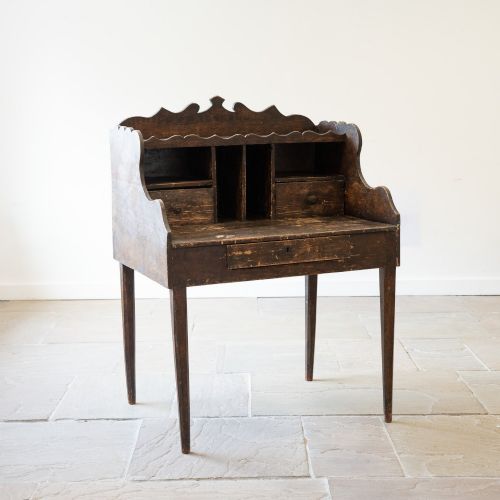
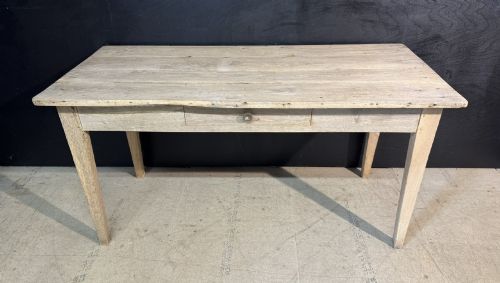
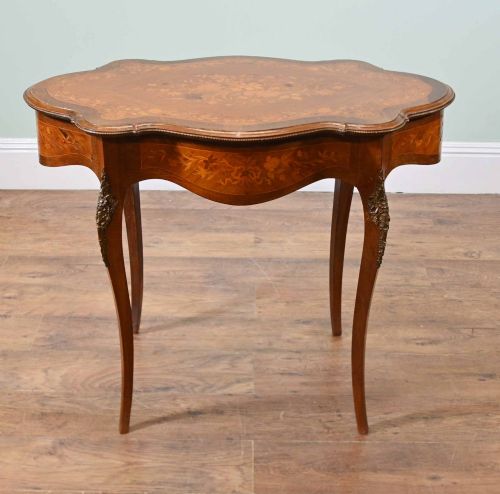
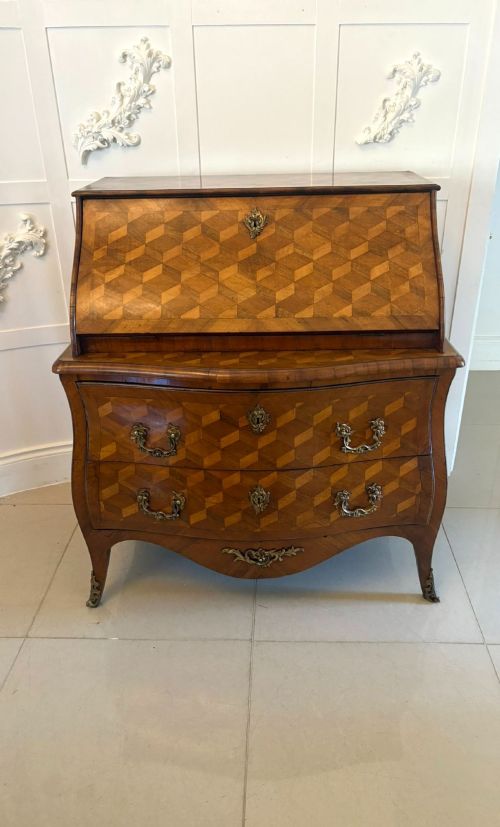




Provincial Writing Desk
A provincial writing desk brings functional utility and regional character into a room through honest timber construction and understated regional design.
Provincial Writing Desk
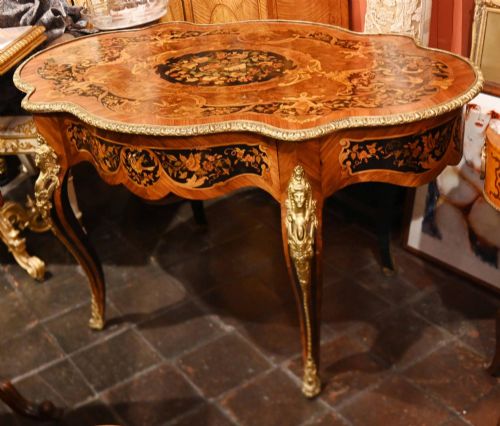
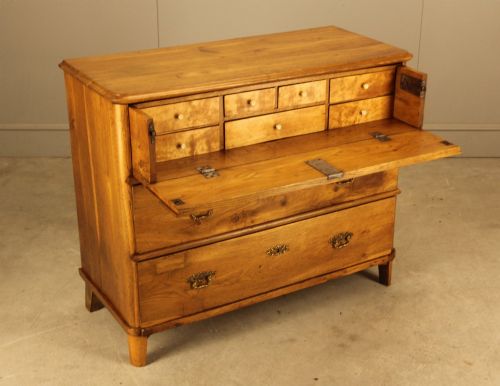
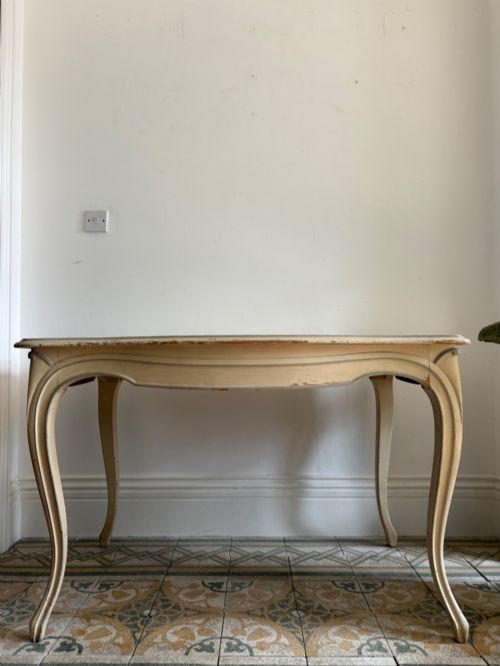
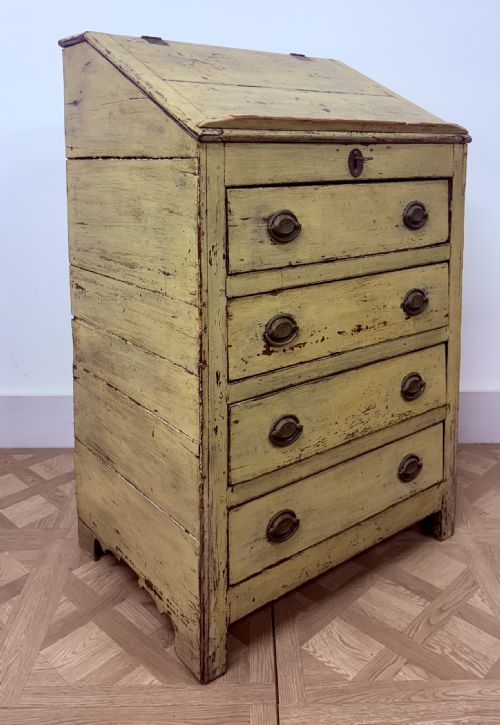
Buyers meet variations spanning simple oak, pine, and cherrywood construction to more decorative walnut and fruitwood examples featuring parquetry or painted finishes. The selection ranges from early oak bureau forms to later French provincial writing tables and occasional desks.
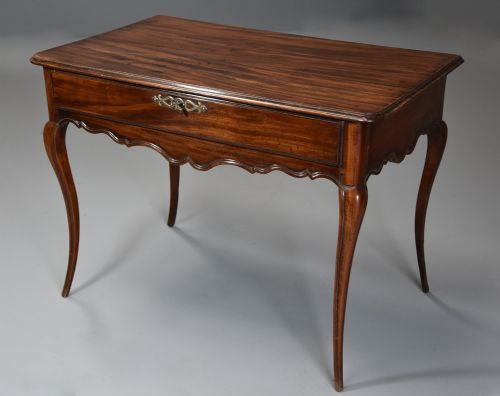
Regional diversity shapes the aesthetic, moving from rustic English lowboys and oak tables to light oak Spanish pieces and French provincial tables with cabriole legs. Each item balances a practical writing surface with the distinct material preferences of its local maker.
Materials and construction methods
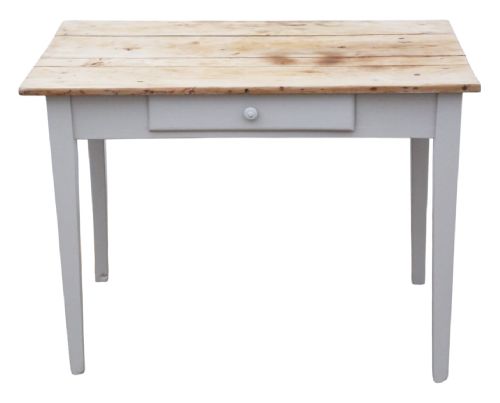
Cabinetmakers utilised solid regional timbers such as oak, walnut, cherrywood, fruitwood, and pine, frequently selecting local woods over imported veneer. Secondary woods match the primary timber or consist of accessible conifers and hardwoods appropriate to the workshop's location.
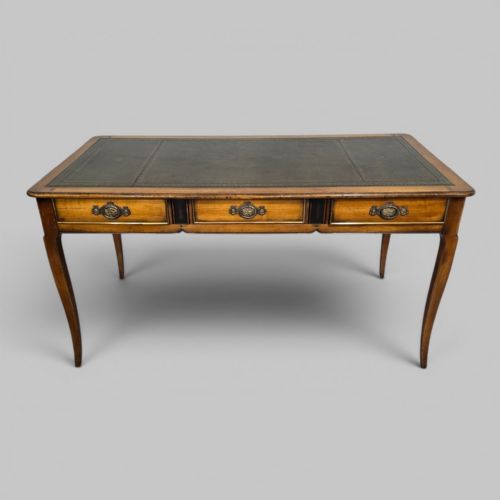
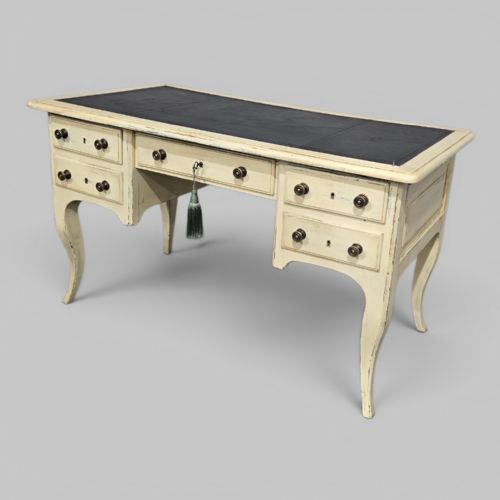
Surface treatments vary from natural wax finishes that preserve the original patina to painted pine, cream paint, and detailed marquetry or parquetry in walnut and satinwood. Decorative hardware includes brass handles and, in more ornate examples, ormolu mounts complementing inset leather or suede writing surfaces.
Provincial Writing Desk Retail Price Guide 2026
Typical asking prices for provincial writing desk among the pieces listed under this phrase on Sellingantiques today, from the lower quarter to the upper quarter. They describe what is for sale here now, not the wider market.
Current listings feature provincial writing desks spanning the seventeenth through the early twentieth centuries, incorporating oak, walnut, pine, cherrywood, and fruitwood.
Assessing quality and proportion
The standard of a provincial writing desk rests upon the integrity of its timber selection, the crispness of any parquetry or floral inlay, and the retention of original surface patination. Pieces that maintain their unpolished finishes and early hardware carry greater material honesty.
Proportion and structural balance dictate desirability, separating simpler utility tables from finely scaled bombe bureaux or serpentine writing desks. The harmony between the base construction, drawer fit, and leg contour determines the piece's overall architectural success.
The Provincial Writing Desk Glossary
- Parquetry
- Geometric wood inlay forming decorative patterns across a tabletop or drawer front. This technique utilises contrasting timbers like walnut and fruitwood to create visual depth.
- Bombe
- A swelling, outward-curving contour characteristic of advanced case furniture. The profile requires skilled woodworking to shape solid timber or apply curved veneer.
- Serpentine
- A wave-like curved line shaping the front of a table or desk. This profile moves inward at the centre and swells outward toward the corners.
- Bonheur du jour
- A light lady's writing desk featuring an enclosed superstructure with small drawers and shelves above the main writing surface. It became popular during the eighteenth century.
Provincial Writing Desk: Frequently Asked Questions
What defines a provincial writing desk?
A provincial writing desk is a piece of regional furniture designed for correspondence or administrative tasks outside major urban centres. These items utilise local timbers and straightforward construction methods characteristic of their specific geographic origin.
They combine a functional writing surface with storage compartments like drawers or writing slopes, distinguishing them from standard dining or side tables.
How do I care for an antique wood desk?
Maintaining an antique wood desk involves keeping it away from direct heat sources and fluctuating humidity to prevent timber splitting. Regular dusting with a dry, soft cloth preserves the surface.
Applying a traditional beeswax polish occasionally helps nourish older finishes without building up synthetic residues that dull the original patina.
Where were provincial desks historically used?
These desks served in country houses, provincial reception rooms, estate offices, and bedrooms where writing and record-keeping took place. Their modest scale allowed them to fit into smaller domestic spaces compared to grand library tables.
Their practical design accommodated daily correspondence and household accounts in rural settings.
How can I tell a French provincial desk apart from an English one?
French provincial desks frequently feature cabriole legs, serpentine fronts, and fruitwood or walnut construction with subtle floral inlay. They lean toward softer, sweeping continental contours. N English examples, such as lowboys and oak bureaux, rely on straighter lines, bracket feet, and denser native timbers like oak and elm.