



Provincial Elm Chairs
Provincial elm chairs are honest country seating valued for their sturdy construction and rich, characterful timber.
Provincial Elm Chairs
When you search for provincial elm chairs, you are looking at utilitarian rural seating spanning the eighteenth, nineteenth and twentieth centuries. These pieces originate from regional English and French workshops, encompassing styles from Georgian country houses to Victorian kitchens.
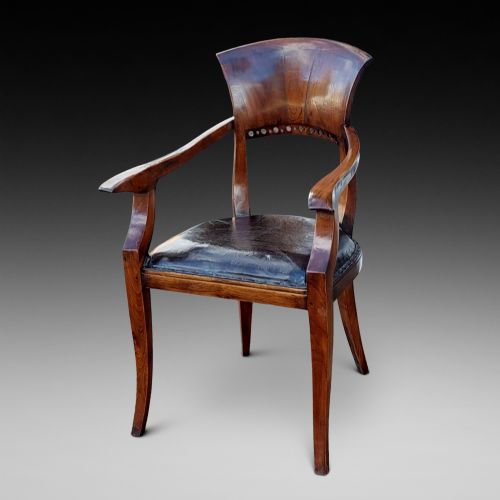
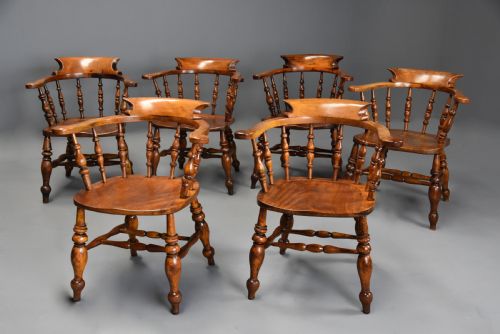
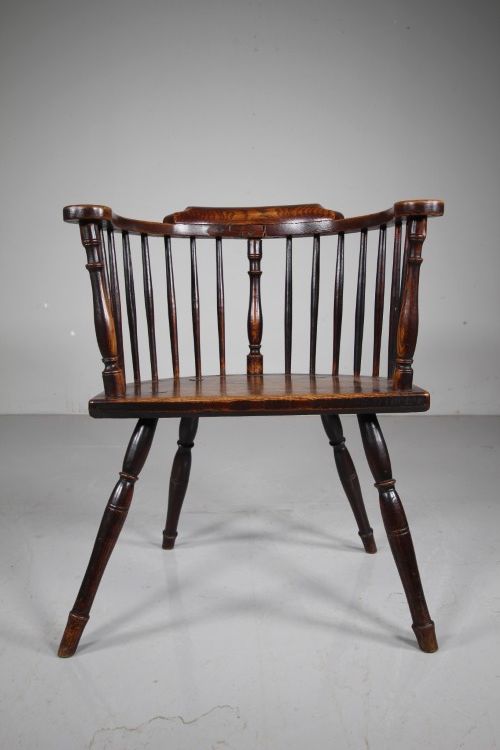
The most common forms on this page are Windsor chairs and country dining chairs, often constructed with ash or beech components alongside the characteristic elm seats. Armchairs, desk chairs and childs potty chairs also appear in these regional styles.
How they were made
Makers utilised solid elm for seats, chosen for its resistance to splitting, while turning ash, beech or yew for spindles, legs and bow backs. Construction methods rely on traditional joinery such as Windsor stick-back framing and pegged joints.
Some examples incorporate rush seating or leather details, reflecting the varied domestic requirements of rural households and provincial workshops.
Provincial Elm Chairs Retail Price Guide 2026
Typical asking prices for provincial elm chairs among the pieces listed under this phrase on Sellingantiques today, from the lower quarter to the upper quarter. They describe what is for sale here now, not the wider market.
A tiny childs potty chair hides in the selection, proving rural makers catered to the smallest family members.
What varies in quality
The distinction between standard examples and superior pieces rests on the figure and grain of the elm timber, together with the finesse of the turned spindles and the integrity of the original construction. Regional variations in proportion and the harmony of mixed woods also dictate the desirability of a chair.
Chairs that retain their original surface patination and structural cohesion without excessive replacement parts sit at the top of the range, while heavy restoration or mismatched sets alter the character of the seating.
The Provincial Elm Chairs Glossary
- Windsor chair
- A chair built with a solid wooden seat into which the legs and back spindles are directly dowelled. This form relies on a central bow or stick-back structure for support.
- Smokers bow
- A low-backed Windsor armchair with a continuous curved arm rail, historically found in rural pubs and smoking rooms. It provides robust, low-slung seating.
- Rush seat
- A seating surface woven from dried marsh rushes, typically twisted into cords and patterned across a wooden frame. This method appears on regional dining chairs.
- Country house
- A term denoting large rural estates where utilitarian yet well-made furniture served domestic and staff quarters. Pieces from these settings often display robust regional craftsmanship.
Provincial Elm Chairs: Frequently Asked Questions
Are provincial elm chairs comfortable for daily use?
Most provincial elm chairs feature carved wooden seats shaped to the body, offering firm support during meals or desk work. Adding a loose cushion can increase comfort for prolonged sitting.
Because these chairs were built for daily domestic or rural labour, their frames are durable and well-suited to modern living when placed on level floors.
How do I identify a Windsor chair?
A Windsor chair is defined by its thick wooden seat that acts as the central anchor for all other components. The legs and back spindles are fitted directly into bored holes in this seat.
This construction method creates a sturdy, unified frame without needing traditional box stretchers, though many provincial examples include them for extra bracing.
What is the difference between ash and elm in these chairs?
Elm is typically selected for seats because its interlocking grain resists splitting under heavy use, making it ideal for the main platform. Ash is more flexible and strong, which suits steam-bent bows and slender turned spindles.
Makers combined these native timbers based on the specific physical demands of each part of the chair.
How should I care for antique elm furniture?
Maintain elm chairs by keeping them away from direct heat sources and sudden temperature changes that can dry out the timber. Dust regularly with a dry cloth and apply occasional natural wax to nourish the surface patination.
Avoid using harsh modern polishes that can build up a residue and dull the grain of the wood over time.