



Project Frame Settee
A project frame settee offers the rewarding task of bespoke upholstery across diverse historical periods.
Project Frame Settee
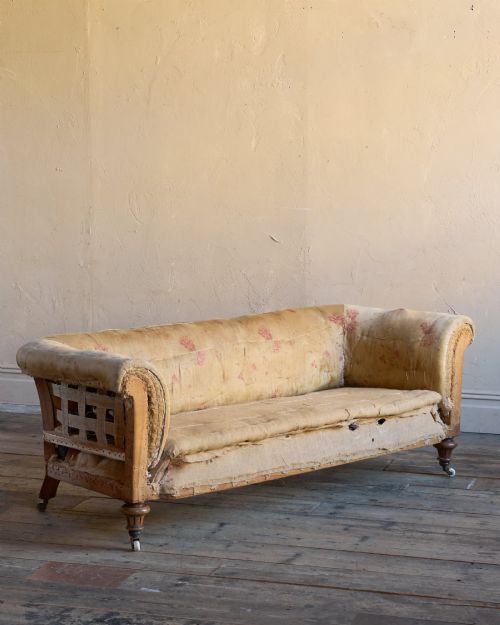
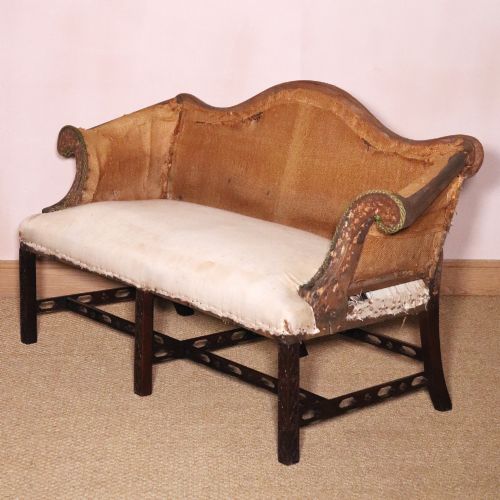
When you search for a project frame settee, you look at seating structures stripped back or waiting for new fabric across various historical eras. These pieces span the eighteenth century through to the nineteen-thirties, encompassing styles from George III and Chippendale to Aesthetic Movement and Regency designs.
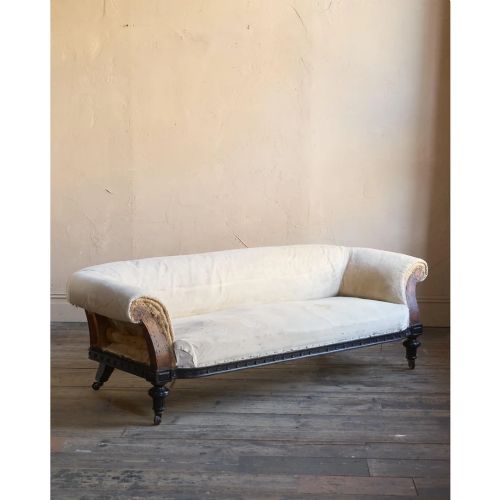
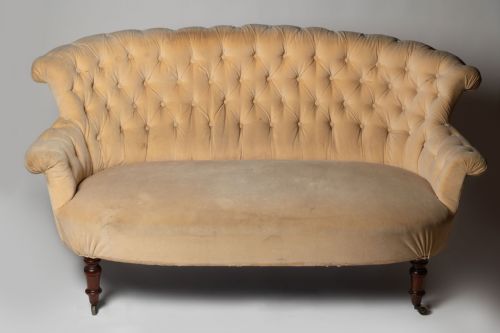
You meet a variety of forms on this page, including camel back settees, Chesterfield sofas, country house sofas, and salon settees. Many examples appear specifically prepared for upholstery, with exposed timber frames ready for restoration.
Origins range widely, taking in English country house pieces, French provincial seating, and Napoleon III designs. Beech, mahogany, and simulated rosewood provide the structural framework for these diverse seating options.
How they were made
Makers constructed the structural frames of these settees using solid timbers such as mahogany, walnut, beech, and simulated rosewood. Joinery methods varied according to the period, supporting expansive three-seater sofas and compact salon settees alike.
Internal upholstery foundations relied on traditional stuffing materials like hessian, cotton, and calico, often secured with brass tacks. These layered components provided the deep-seated comfort characteristic of country house and Chesterfield designs.
Project Frame Settee Retail Price Guide 2026
Typical asking prices for project frame settee among the pieces listed under this phrase on Sellingantiques today, from the lower quarter to the upper quarter. They describe what is for sale here now, not the wider market.
Some frames still wear their original tack marks like tiny metallic constellations from centuries past.
What varies in quality
The integrity of the underlying woodwork distinguishes finer frames from simpler constructions, particularly in carved mahogany or inlaid Edwardian salon settees. Proportions and the grace of the timber outline dictate the visual success of the finished seating.
The sophistication of the original frame design determines the potential of the piece once upholstered. Pieces bearing specific maker attributions or refined stylistic details from periods like the Regency or George III command greater attention.
Howard & Sons·Hampton & Sons
The Project Frame Settee Glossary
- Hessian
- A coarse woven fabric typically utilised as a foundational layer in traditional upholstery. It provides a sturdy base for supporting stuffing materials within the frame.
- Calico
- A plain-woven cotton cloth used beneath the final decorative top fabric. It acts as an inner lining to contain stuffing and shape the silhouette.
- Camel back
- A classic sofa shape characterised by a undulating, arched backrest resembling a camel's hump. This profile emerged prominently during the eighteenth century.
- Simulated rosewood
- A painted or stained wood finish designed to imitate the rich grain and colour of genuine rosewood. Makers frequently applied this technique during the Regency period.
Project Frame Settee: Frequently Asked Questions
What is a project frame settee?
A project frame settee is an antique seating structure that requires new upholstery and interior stuffing. These pieces allow restorers to select bespoke fabrics that suit modern interiors while preserving historic woodwork.
Such settees range from eighteenth-century Chippendale styles to nineteen-thirties country house sofas. Each frame provides a distinct architectural silhouette waiting to be completed.
How do I choose the right frame?
Consider the scale of the room and the intended placement when selecting a settee. Country house sofas offer deep, relaxed seating, whereas salon settees provide a more upright and formal posture.
Examine the exposed timber to ensure the proportions align with your aesthetic preferences. The underlying shape will ultimately dictate the character of the finished piece.
Are these settees comfortable?
Comfort depends entirely on the rebuilding process, as most frames arrive stripped or requiring re-upholstery. Traditional spring units and layered stuffing can be tailored to individual preferences during restoration.
Deep-seated nineteenth-century and nineteen-thirties designs naturally afford generous proportions for lounging. Proper webbing and padding re-creation ensures long-term support.
How do I identify the period?
Period identification relies upon timber choice, leg style, and the overall silhouette of the wooden frame. Regency examples often feature simulated rosewood, while eighteenth-century pieces display classical Chippendale carving traits.
Construction techniques and stretcher arrangements also offer clues to the date of origin. Comparing the frame shape to documented historical styles clarifies the era.