

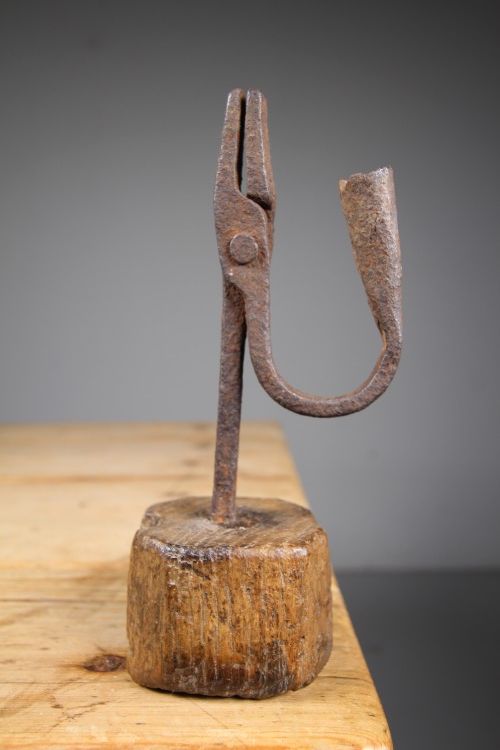


Primitive Wooden Stand
A primitive wooden stand brings honest country character and sturdy utility into a modern room through unpretentious design.
Primitive Wooden Stand
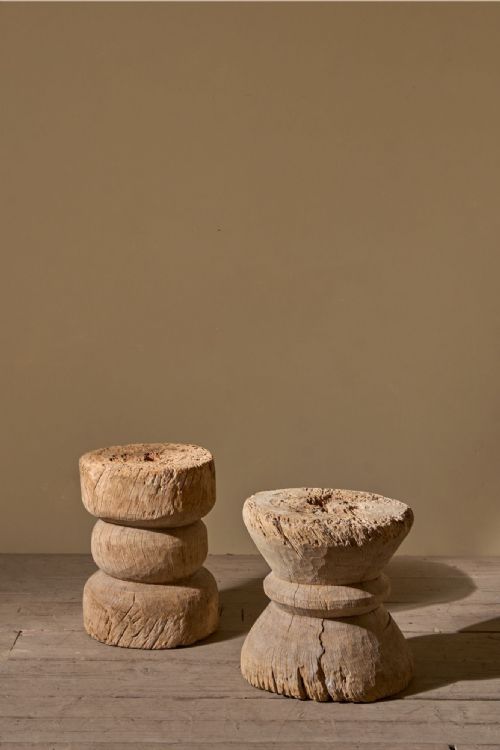
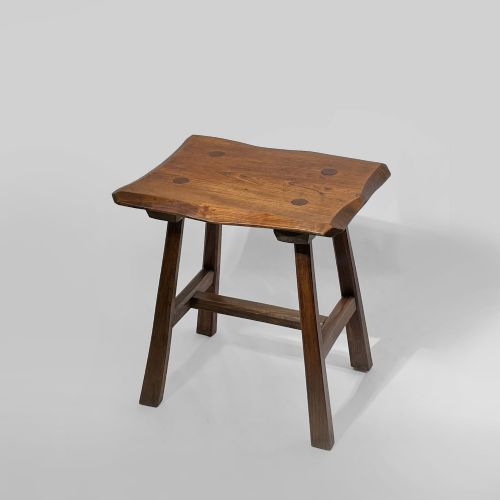
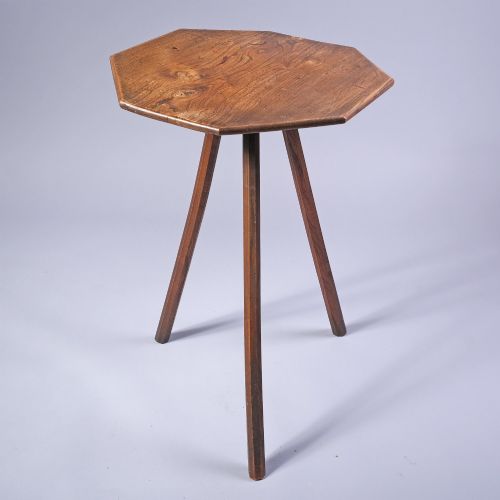
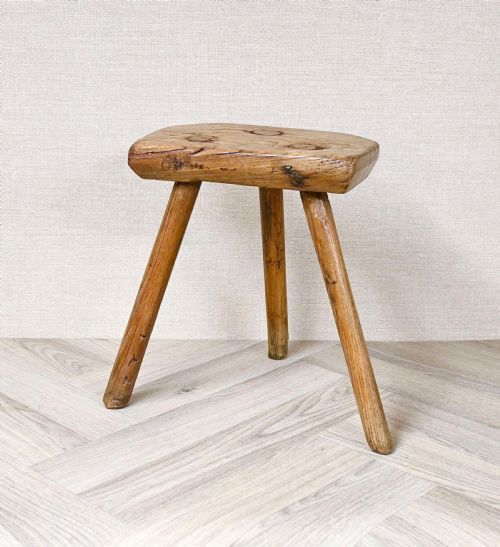
A primitive wooden stand encompasses a range of utilitarian items fashioned by country makers for daily household or workshop tasks. You will find small tables, stools, chopping blocks, and rushlight holders that were built to serve a practical function rather than to follow formal court fashions. Most examples encountered here belong to the 18th century and 19th century, reflecting straightforward rural construction traditions.
The forms vary from three-legged ash tables to solid elm stools and heavy oak game blocks. These pieces often display the rustic vernacular and folk art styles of English and French country life. Buyers select them to introduce authentic texture and straightforward form into contemporary interiors without excessive ornamentation.
How they were made
The construction relies on solid timber worked by local carpenters and blacksmiths using basic hand tools. Oak, elm, ash, and general timber provide the structural foundation for tables, stools, and cupboards, sometimes utilising the entire tree trunk as seen in dug out forms. Wrought iron hardware, including original blacksmith locks and hinges, fastens and reinforces the wooden elements.
Makers shaped these objects directly from available local materials, often leaving tool marks and natural grain patterns visible on the surface. Joinery is typically straightforward and robust, designed to withstand heavy everyday use in domestic or rural settings.
Primitive Wooden Stand Retail Price Guide 2026
Typical asking prices for primitive wooden stand among the pieces listed under this phrase on Sellingantiques today, from the lower quarter to the upper quarter. They describe what is for sale here now, not the wider market.
Some items started life as a stubborn tree trunk before a country maker hollowed them out with an adze.
What varies in quality
The distinction between tiers of quality rests upon the integrity of the original construction and the preservation of authentic surfaces. Pieces retaining their original blacksmith ironwork, unpainted timber patination, and unaltered structural proportions command greater appreciation among collectors. Lesser examples may exhibit intrusive modern repairs or replacement components that diminish the historical cohesion of the object.
Proportion and utility also dictate distinction, as well-balanced tripod bases or substantial tree trunk forms demonstrate superior rustic design. The harmony between the raw material and the maker's functional intent separates standard utility items from genuinely compelling folk artefacts.
The Primitive Wooden Stand Glossary
- Rushlight holder
- A device designed to grip a rush dipped in animal fat to provide inexpensive indoor lighting. These iron and wooden stands date largely to the 18th century.
- Vernacular
- Architecture or furniture built by local craftsmen using traditional methods and local materials, uninfluenced by academic architectural styles. This approach defines the rustic character of these pieces.
- Dug out
- An object formed by hollowing out a solid tree trunk to create a vessel or block. This heavy method produces sculptural forms seen in turn-of-the-century items.
- Milking stool
- A simple low seat traditionally used by agricultural workers during milking. They typically feature three splayed legs for stability on uneven farm floors.
Primitive Wooden Stand: Frequently Asked Questions
How do I date a primitive wooden stand?
Dating relies on examining the tool marks, construction joints, and the type of ironwork or fixings used by the maker. Period indicators like 18th century blacksmith locks show distinct hand-forged characteristics.
Secondary clues include timber shrinkage, wear patterns, and the specific regional style of the rustic vernacular woodwork.
What wood types are most common?
Oak, elm, and ash appear frequently in these country furnishings because they provided local durability and strength. Solid timber and raw tree trunks were also utilised directly for heavy chopping blocks.
Each wood species ages differently, developing distinct patinas and surface textures over centuries of use.
Where were these pieces originally used?
These items served functional roles in rural farmhouses, cottages, workshops, and kitchens across England and France. Stools aided daily chores while game blocks and chopping blocks prepared food.
Rushlight holders provided portable illumination before candles and oil lamps became common household standards.
How should I care for primitive wood?
Maintain the surface by keeping the wood away from direct heat sources and sudden humidity changes that cause splitting. A gentle application of natural wax helps nourish dry timber without altering its historic finish.
Avoid harsh chemical cleaners that strip away the accumulated patina and character of the original surface.