

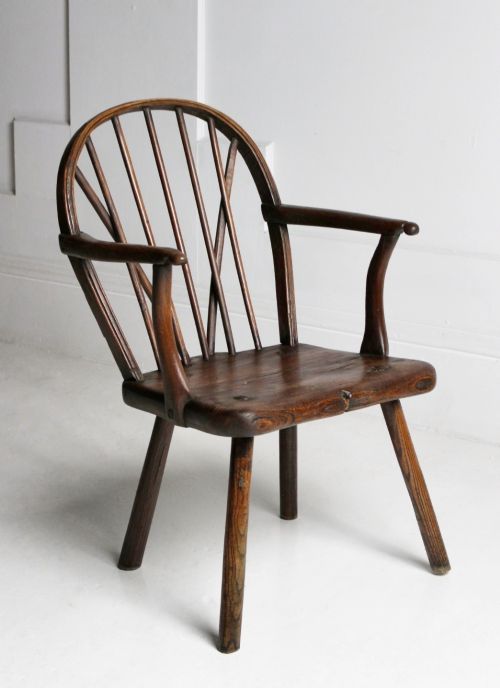


Primitive Seating
Primitive seating comprises rustic chairs, stools, benches and settles hewn from timber for everyday domestic utility.
Primitive Seating
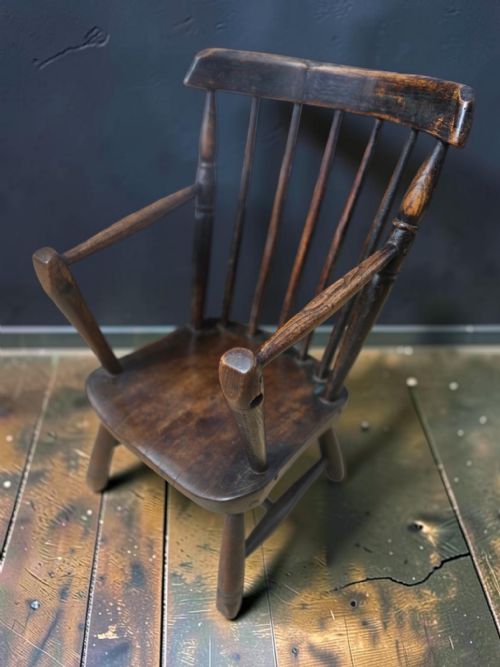
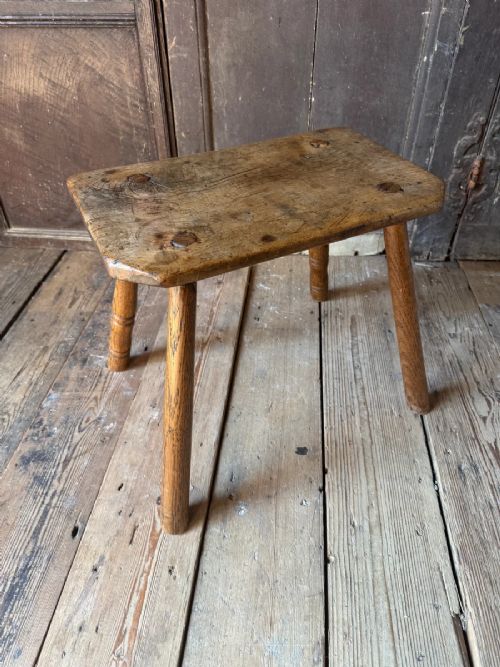
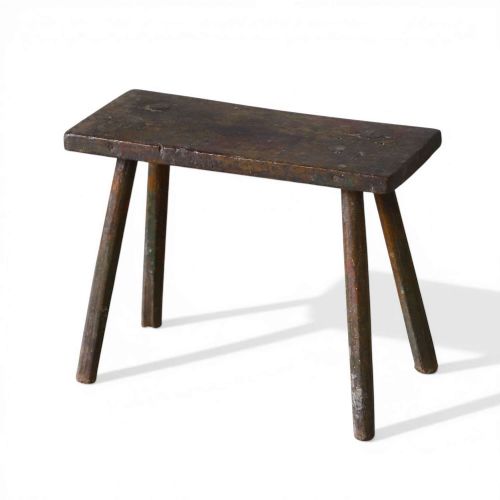
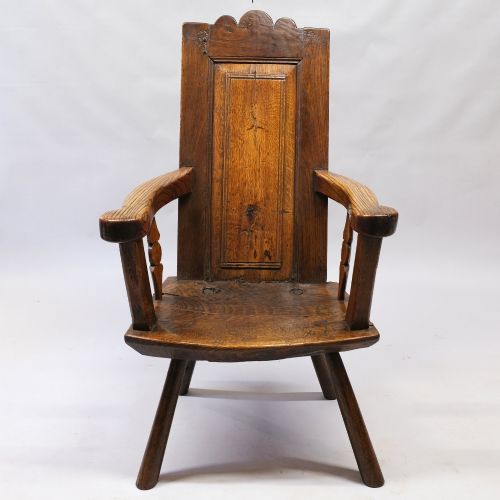
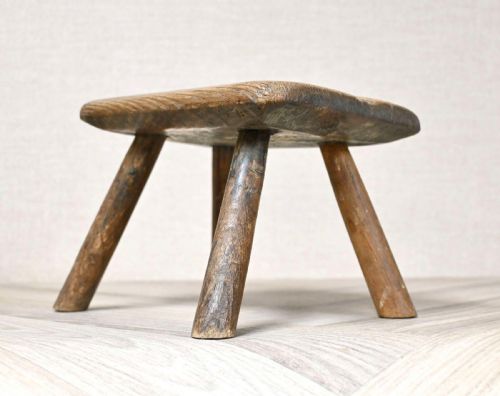
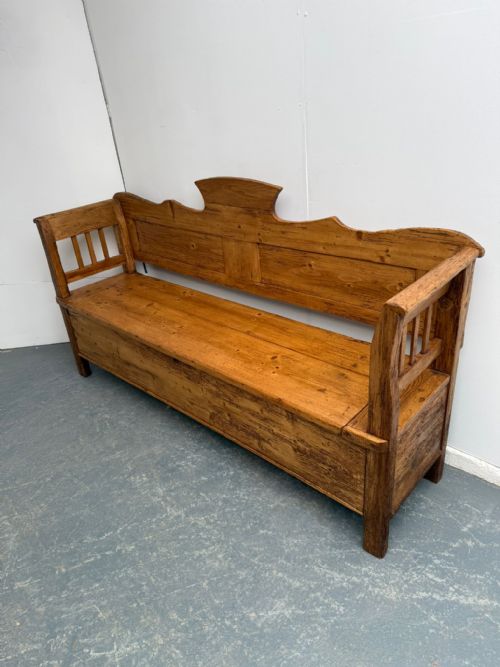
Primitive seating covers utilitarian wooden furniture fashioned by local makers without the refinement of city workshops. You will frequently find armchairs, stick backs, stools, benches and settles originating from various regions.
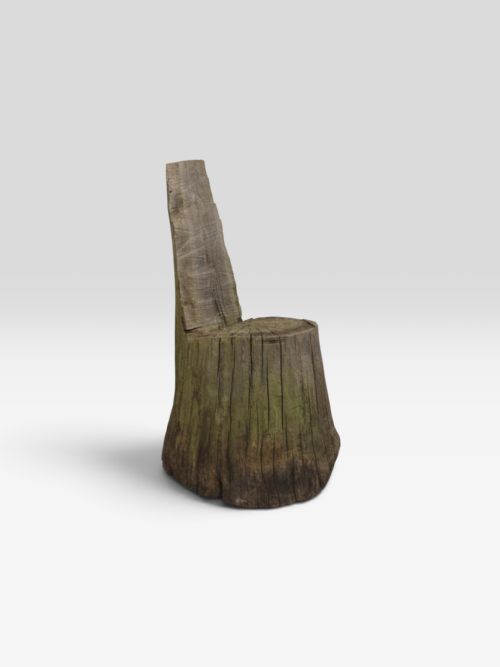
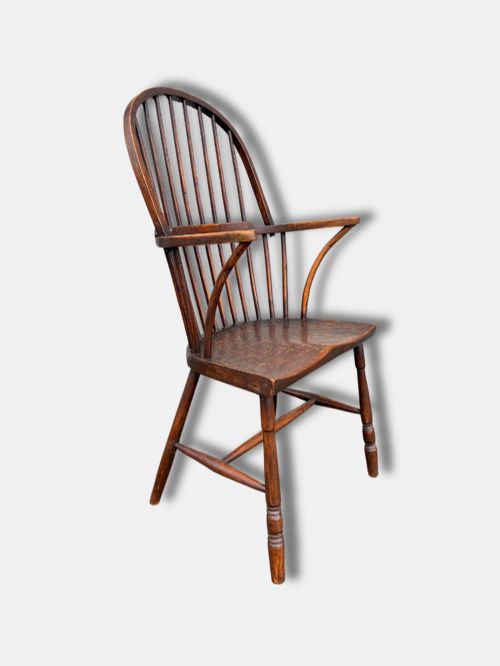
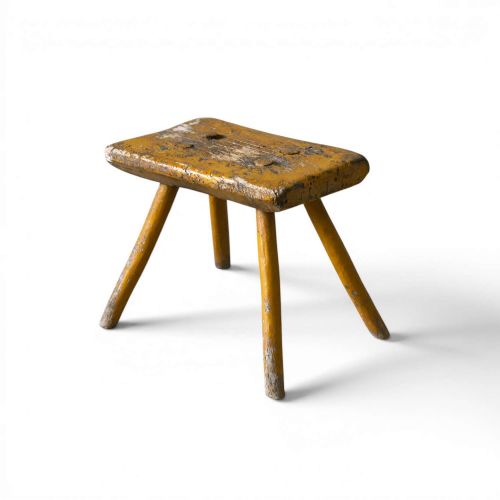
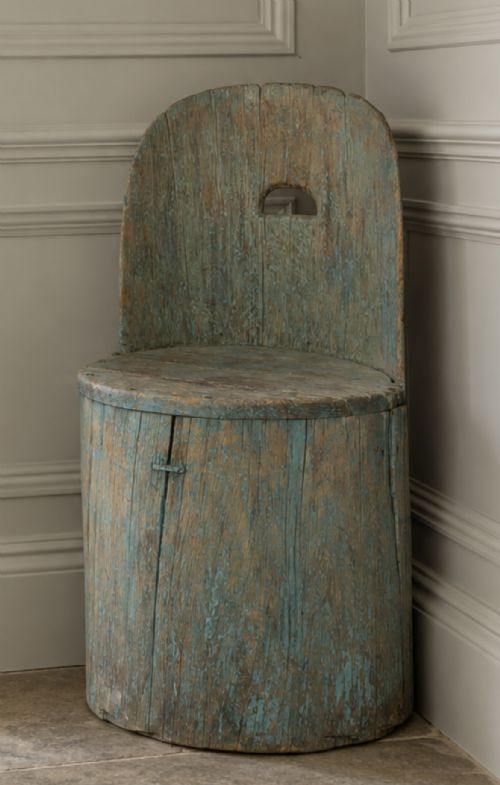
The selections span the eighteenth and nineteenth centuries, including Georgian and Edwardian examples alongside Scandinavian, Welsh, and Eastern European country styles. Forms range from simple dug out chairs to Windsor armchairs and milking stools.
How they were made
Pieces are constructed from native woods such as oak, elm, ash, pine, sycamore and fruitwood, often utilising multiple timbers within a single frame. Carpenters shaped solid planks and turned spindles with basic hand tools.
Surfaces frequently retain original paint, ochre, green or wax finishes, while others show the natural grain of the timber and iron fixings.
Primitive Seating Retail Price Guide 2026
Typical asking prices for primitive seating among the pieces listed under this phrase on Sellingantiques today, from the lower quarter to the upper quarter. They describe what is for sale here now, not the wider market.
Listings feature oak, elm, ash, pine, and fruitwood spanning the eighteenth and nineteenth centuries.
What varies in quality
Construction integrity and the survival of original surfaces dictate the character of each piece. Untouched patination and honest wear from generations of use elevate an example.
Unusual structural forms, such as specific regional stick backs or sculptural natural wood shapes, distinguish exceptional pieces from standard utility items.
The Primitive Seating Glossary
- Stick back
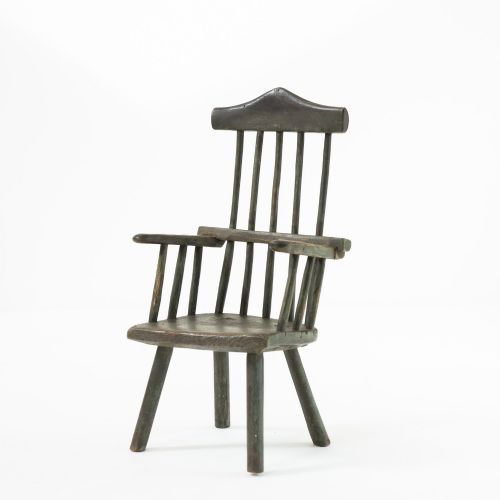
- A chair construction method where turned spindles are inserted directly into a solid wooden seat. This method provides robust support with minimal materials.
- Dug out
- A seating form carved entirely from a single solid log or trunk. This ancient technique creates a heavy, monolithic chair.
- Settle
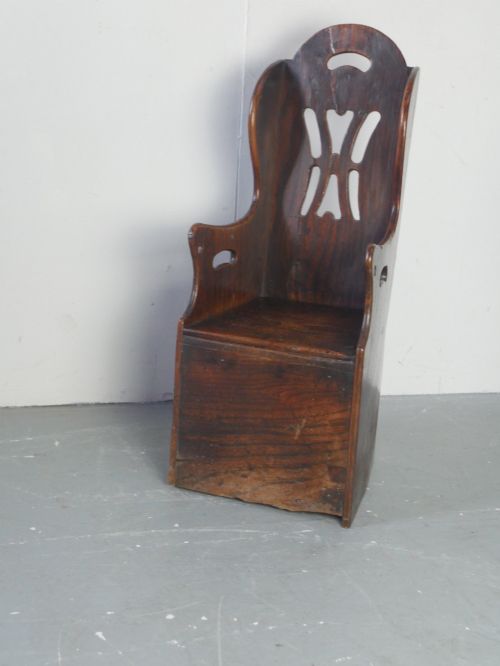
- A high-backed wooden bench with solid arms and a closed base designed to block drafts. Settles often incorporated storage compartments beneath the seat.
- Windsor
- A chair style featuring a heavy wooden saddle-shaped seat into which the legs and back sticks are wedged. These chairs combine comfort with structural rigidity.
- Comb back
- A chair back design resembling an upright comb, where vertical spindles rise through a horizontal crest rail. This regional style offers light yet secure back support.
- Vernacular
- Furniture made by local craftsmen using regional traditions and readily available materials rather than formal metropolitan patterns. These pieces reflect distinct local building methods.
Primitive Seating: Frequently Asked Questions
What is primitive seating?
Primitive seating refers to utilitarian wooden furniture made for daily use by rural communities rather than urban cabinetmakers. These items include simple stools, benches, and stick-back chairs.
Craftsmen built these pieces to serve domestic and agricultural functions, relying on local timber and practical design rather than fashionable decoration.
How do I date primitive furniture?
Dating primitive seating relies on examining tool marks, timber species, structural assembly methods, and any surviving surface finishes like early paint or wax. Certain regional stick-back designs and Windsor forms also correspond to specific historical periods.
Comparing construction details with dated examples helps establish an approximate time of manufacture, though rural makers often continued traditional methods long after cities adopted new styles.
Are these chairs comfortable?
Many primitive chairs feature saddle-shaped solid wooden seats carved to contour the body, offering surprising support. Ergonomics were driven by practical daily use in cottages and farmhouses.
Adding a loose squab cushion or sheepskin can increase comfort for modern daily sitting, just as historical users did with textiles.
Where were these pieces made?
These pieces originated in rural workshops, farmhouses, and regional communities across Britain, Scandinavia, Eastern Europe, and beyond. Local availability of woods like oak, elm, pine, and ash dictated the local output.
Regional variations in chair building traditions mean a Welsh stick chair differs noticeably in construction from a Swedish dug-out chair or an American rocker.