





Primitive Art Painting
Primitive art painting brings raw, direct character into a room through unpretentious canvases and portraits created outside the academic tradition.
Primitive Art Painting
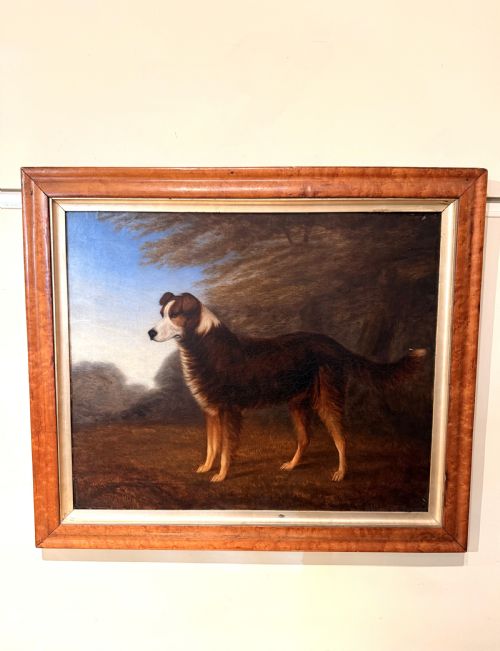
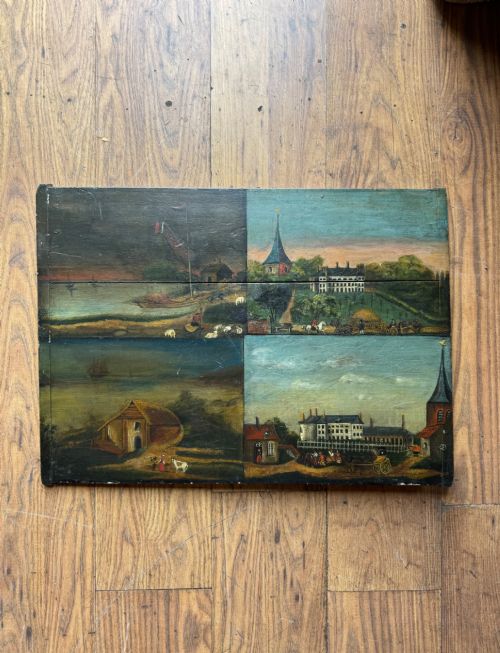
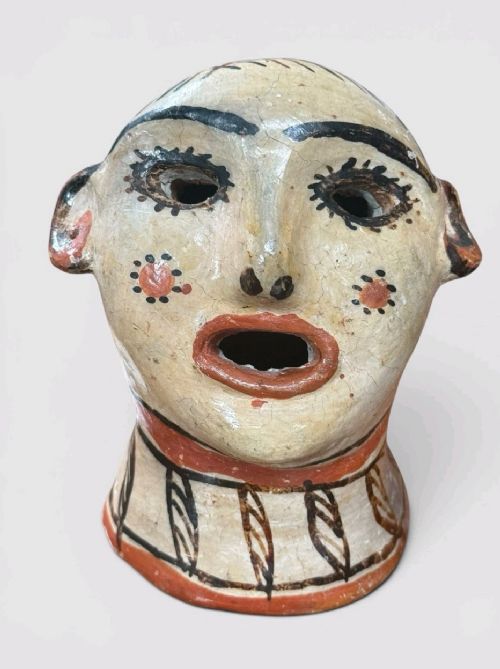
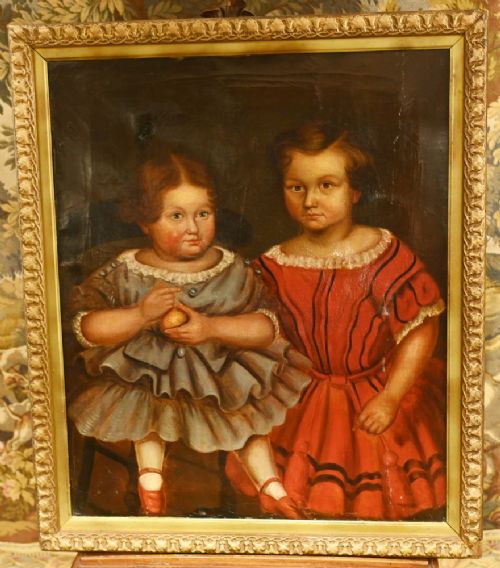
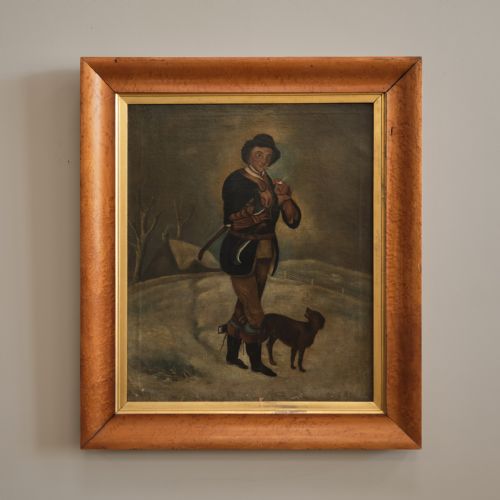
A primitive art painting captures straightforward depictions of people, scenes, and portraits without the formal perspective of trained artists. These works lean toward a naive folk art style that emphasises character over academic proportion.
Most examples found here date from the nineteenth century alongside select twentieth-century interpretations. The selection spans oil on canvas, oil on board, and watercolour formats.
Materials and Construction
Artists utilised oil paint applied directly onto stretched canvas, wooden boards, or paper for watercolours. Supporting frames often consist of timber such as rosewood.
Pigments were worked simply by hand, leaving visible brushstrokes and unvarnished surfaces that record the straightforward methods of provincial makers.
Primitive Art Painting Retail Price Guide 2026
Typical asking prices for primitive art painting among the pieces listed under this phrase on Sellingantiques today, from the lower quarter to the upper quarter. They describe what is for sale here now, not the wider market.
One recorded watercolour preserves the professional stamp of an auctioneer in Chatham, Kent.
Distinguishing Quality in Primitive Works
Quality rests upon the strength of the composition and the clarity of the subject's expression. Stronger examples hold the viewer's attention through confident brushwork and honest portraiture.
The integrity of the original surface paint and the presence of period framing contribute significantly to the character of each surviving piece.
The Primitive Art Painting Glossary
- Naive art
- Artwork produced by a self-taught artist lacking formal academic training. This approach values direct expression and unconventional perspective.
- Folk art
- Utilitarian and decorative objects created within a community rather than a professional studio. These pieces reflect regional traditions and domestic life.
- Oil on canvas
- Pigment mixed with drying oil applied to a woven fabric support. This combination offers rich texture and durability.
- Watercolour
- Paint consisting of pigment suspended in a water-based solution applied to paper. It yields translucent washes of colour.
Primitive Art Painting: Frequently Asked Questions
What is a primitive art painting?
A primitive art painting is an artwork created outside the formal academic traditions of perspective and proportion. These pieces often originate from provincial or self-taught creators.
Subjects range from child portraits and rural street scenes to detailed watercolours rendered with direct, honest observation.
How old are these paintings typically?
The majority of these works date from the nineteenth century, with some examples stretching into the eighteenth and twentieth centuries.
Dates are determined by the materials used, framing styles, and the specific characteristics of the canvas or board.
What subjects appear in these paintings?
Common subjects include individual portraits of children and adults, alongside rural street scenes and topographical views.
Each depiction relies on straightforward observation rather than idealized academic conventions.