
Portrait Painting
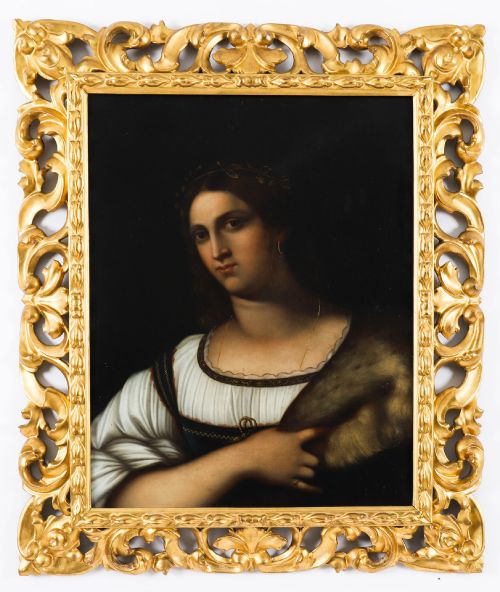
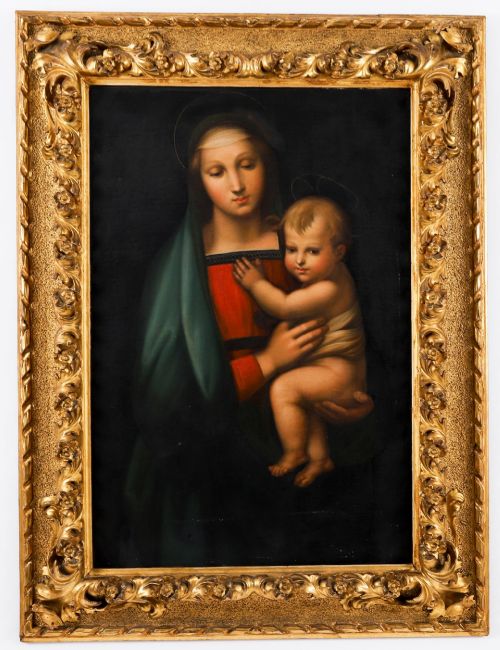
A portrait painting captures likeness and status across centuries, bringing aristocratic sitters, artists and historical eras directly into a modern room.
Portrait Painting
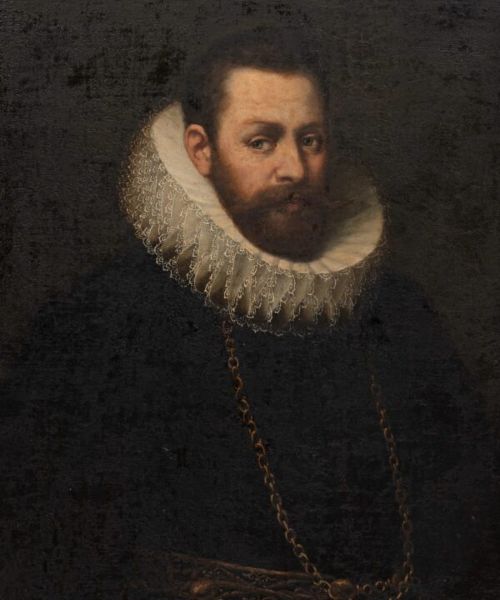
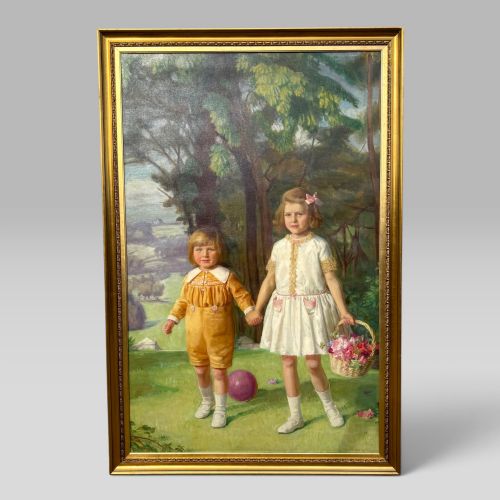
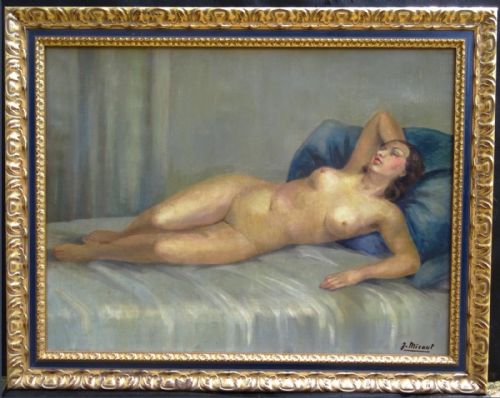
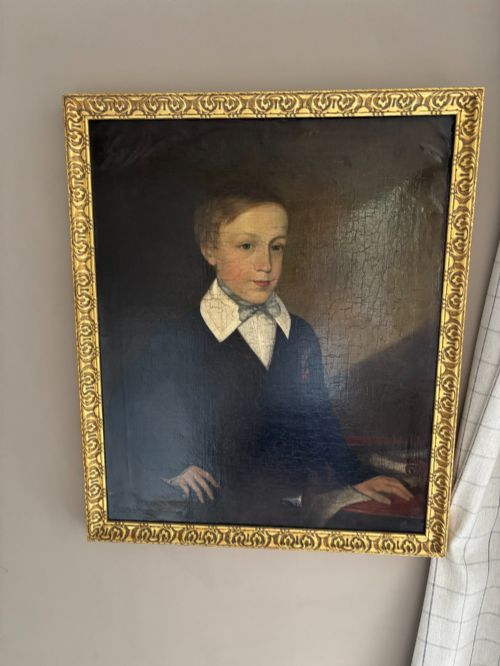
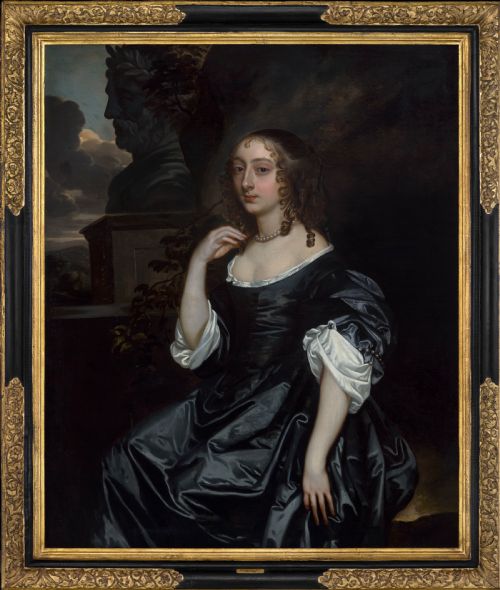
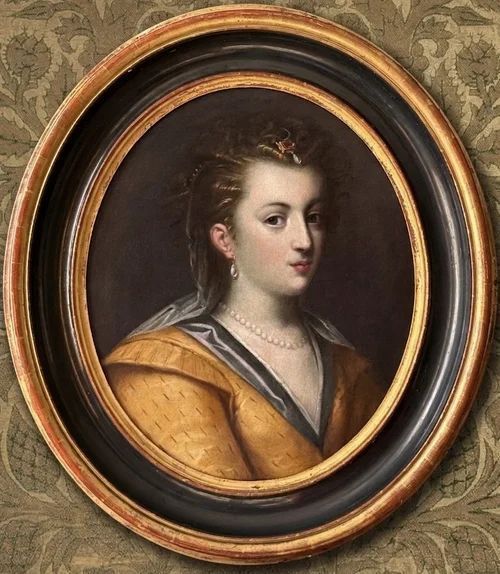
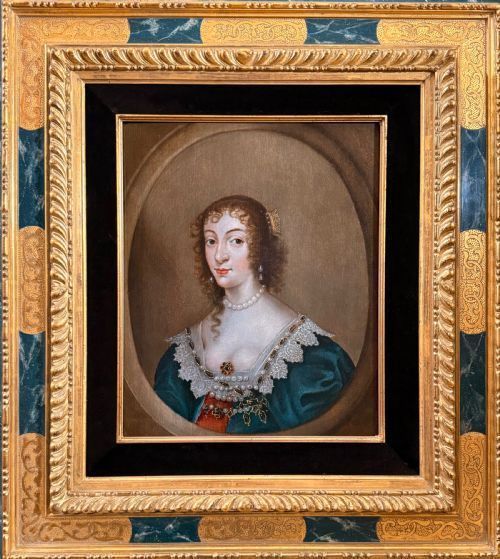
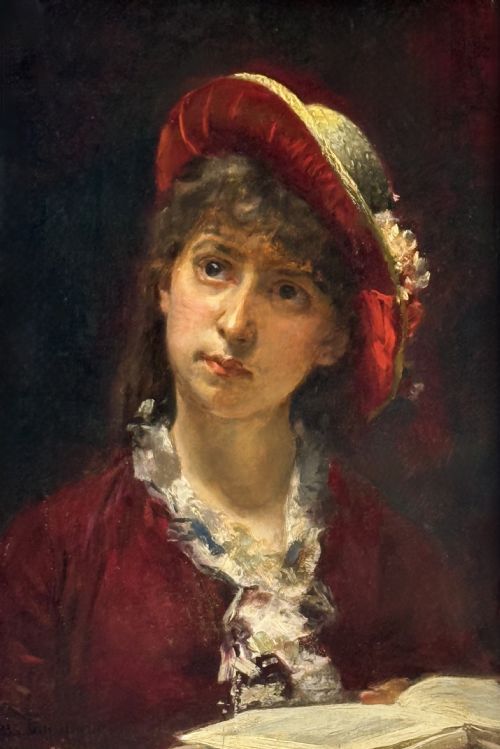
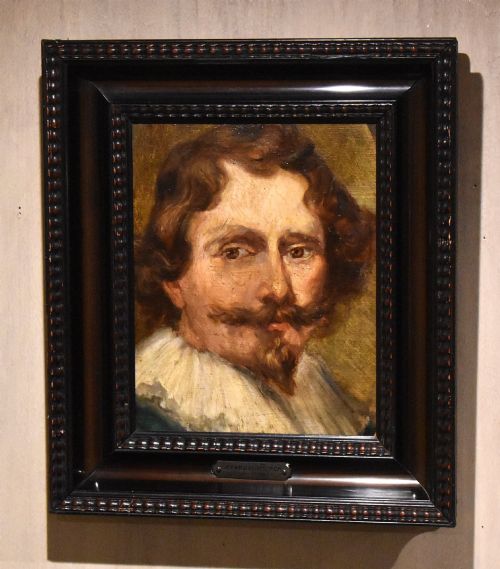
A portrait painting records the likeness of individuals from various historical eras, ranging from austere 17th-century nobles to Edwardian beauties and early 20th-century subjects.
The selections on this page include large-scale oil canvases, intimate portrait miniatures on paper, and hand-painted porcelain plaques.
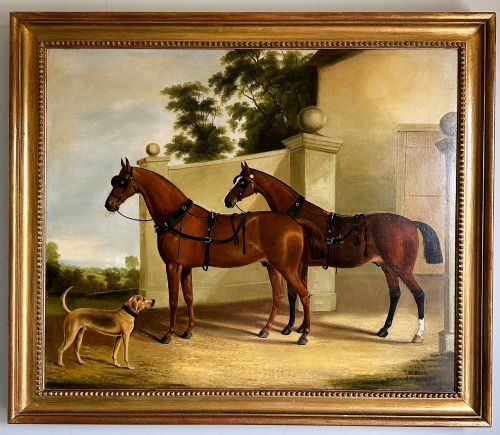
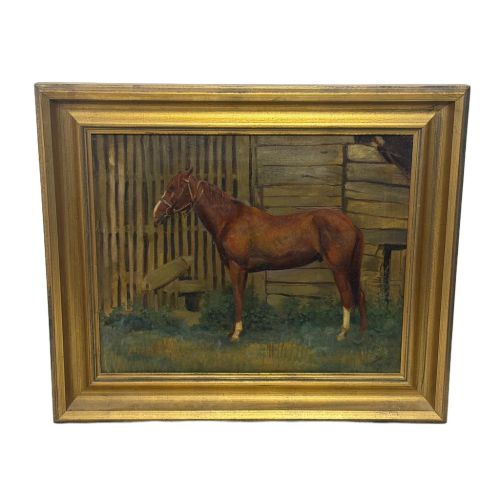
Works originate from diverse schools such as the Italian Renaissance, Dutch Golden Age, and British regional workshops.
Materials and Techniques
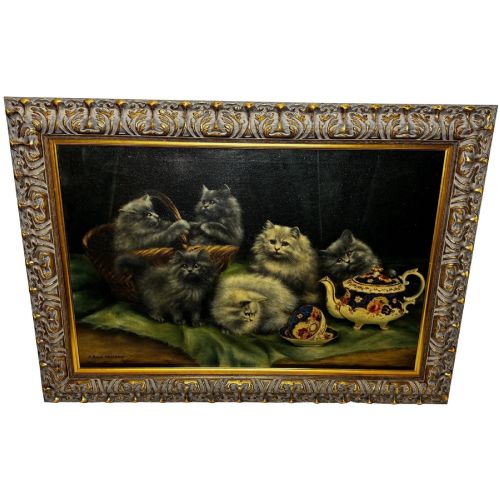
Artisans applied oil paint to stretched canvas, wooden panels, or vinyl canvas, often building up rich layers of colour to render fabrics, armour, and skin tones.
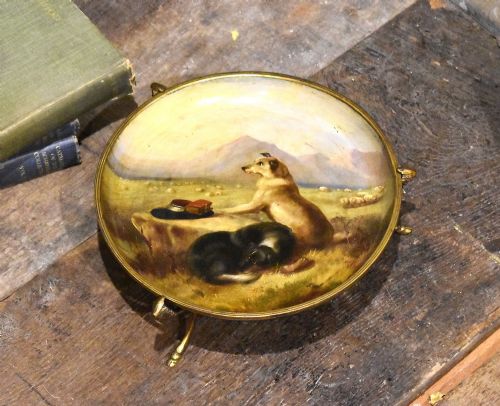
Miniatures and plaques utilise specialised supports like paper or porcelain, requiring meticulous brushwork for fine facial details.
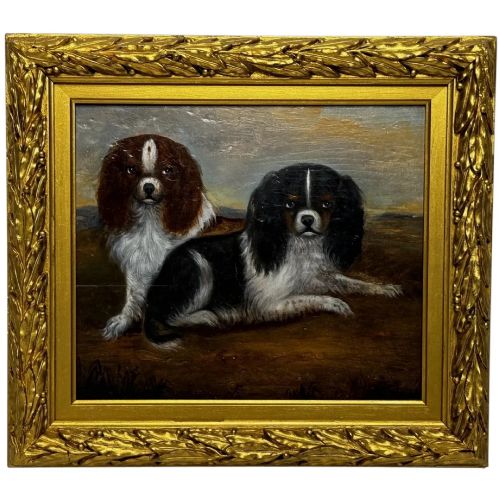
Frames incorporate carved giltwood or ormolu mounts to complement the visual weight of the central artwork.
Distinctions in Quality
The skill of the hand defines the piece, distinguishing master workshops and named circles from standard regional copies.
Anatomy, depth in facial expression, and the realistic rendering of textiles like lace, velvet, and armour separate superior works from basic output.
The preservation of the original paint surface and the historical integrity of the associated frame influence the standing of any given canvas.
Sir Peter Lely·Lavinia Fontana·Sir Van Dyck·Sir Godfrey Kneller·Charles Jervas·Frederick Buck·Sir Thomas Lawrence·Hyacinthe Rigaud
The Portrait Painting Glossary
- Oil on Canvas
- Pigments mixed with an oil medium and applied to a woven fabric support. This combination allowed artists to blend tones smoothly and achieve deep luminosity.
- Portrait Miniature
- A small, highly detailed painting designed for private viewing or personal wear. These works frequently utilised paper or ivory as a base.
- Giltwood
- Wood carved and coated with a thin layer of gold leaf or metallic powder. It provided ornate, reflective borders for significant artworks.
- Circle of
- A designation indicating the artist worked closely within the style and immediate sphere of a known master. It denotes proximity to a prominent workshop.
- Porcelain Plaque
- A fired ceramic tablet used as a painting surface. Makers applied fine enamel colours to create durable, glossy portraiture.
Portrait Painting: Frequently Asked Questions
How do I date an old portrait?
Dating relies heavily on costume, hair styling, and the framing materials associated with the piece. Collars, doublets, and headdresses shifted rapidly across the sixteenth, seventeenth, and eighteenth centuries.
Technique and canvas preparation also offer clues, as stretcher frame construction and pigment types evolved over time. Comparing brushwork to documented examples from specific regional schools helps narrow the decade.
Where should I hang a canvas portrait?
Historic canvases require stable environments away from direct sunlight and extreme humidity fluctuations. Wall placement should protect the oil paint and giltwood frame from sustained heat sources.
Rooms with moderate, indirect light suit these works best, allowing the depth of the dark backgrounds and rich garments to remain visible without risking fading.
What is the difference between an oil painting and a miniature?
Oil paintings on canvas or panel generally served public display in grand rooms, measuring large enough to project status and presence. They utilised rich oil mediums for layering and texture.
Miniatures were intimate, personal objects painted on a small scale for close inspection. They often recorded family members for travel or private keepsakes.