
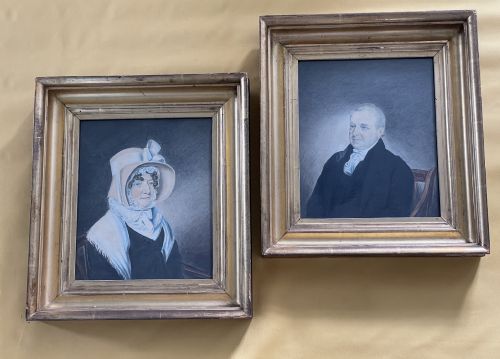


Portrait Lady Bonnet
These portrait lady bonnet works capture character through fabric and face, spanning the eighteenth and nineteenth centuries in oil, watercolour, and print.
Portrait Lady Bonnet
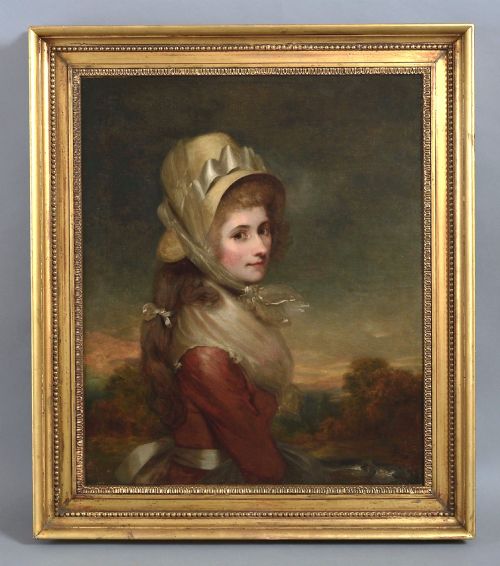
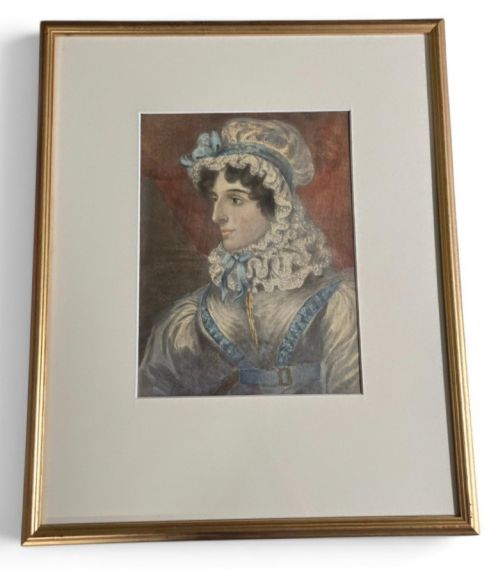
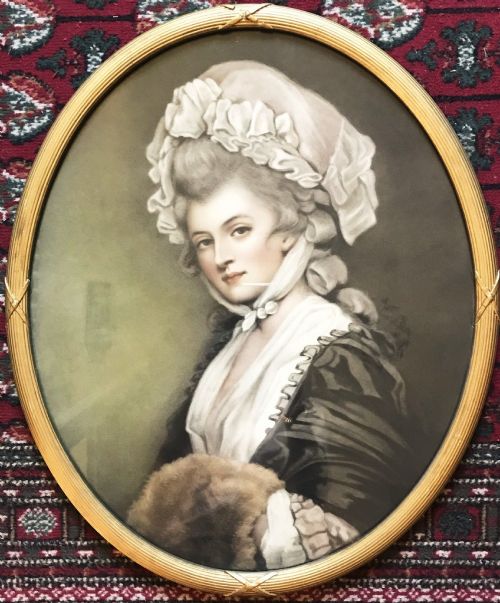
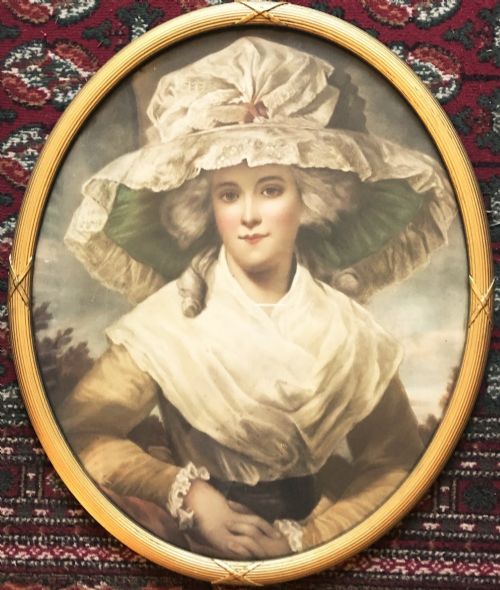
A portrait lady bonnet depicts a female subject wearing period headwear, appearing across traditional portraiture from the eighteenth and nineteenth centuries. These works include original oil paintings on canvas and board, delicate watercolours, and glazed framed prints.
The subjects wear various styles of headwear, ranging from simple lace and ribbon ties to floral and crocheted bonnets. You will encounter both named sitters and anonymous characters, framed in original maple, ebony, or decorative giltwood.
How they were made
Artists painted primarily in oil on canvas or card, alongside detailed watercolour paintings on paper. These pigments are paired with glass protection and wooden framing, including giltwood and maple.
Makers shaped oval and rectangular formats, mounting works within traditional frames that often match the period of the artwork. The physical construction relies on stretched canvas, sturdy wood, and secure glazing.
Quaker subjects appear alongside ladies in lilac, floral, and ribbon-tied bonnets.
What varies in quality
The housing also distinguishes the piece, with original period frames adding considerable character compared to later replacements. The handling of light upon the subject and the bonnet reveals the maker's skill.
Sir Martin Archer Shee·Edward Bradford·Frederick Thomas Baynes·Mary Eley·Isaac Wane Slater·Moritz Calisch·Carl Theodor Demiany
The Portrait Lady Bonnet Glossary
- Watercolour
- A painting method using water-soluble pigments on paper. This medium produces translucent washes and delicate details.
- Giltwood
- Wood carved and covered with a thin layer of gold leaf. It provides a bright, reflective border for oil portraits.
- Silhouette
- A solid dark profile portrait, often cut from paper or painted. These pieces record the subject's outline with stark contrast.
- Canvas
- Heavy woven fabric stretched across a wooden frame to form a painting surface. It serves as the primary support for nineteenth-century oils.
Portrait Lady Bonnet: Frequently Asked Questions
Are these portraits original antiques?
Many pieces date from the eighteenth and nineteenth centuries, created in oil or watercolour by named artists and anonymous schools.
You will also find period prints that reproduce earlier painted works within glazed frames.
What frames do these portraits use?
Surviving works often retain their original maple, ebony, or decorative giltwood frames.
These surrounds match the period of the painting and help date the artwork accurately.
How do I identify the bonnet styles?
Bonnets range from lace and ribbon-tied creations to floral and crocheted designs specific to nineteenth-century fashion.
Studying the complexity of the fabric helps place the portrait within the Georgian or Victorian eras.
Where should I hang a portrait?
Oil paintings and watercolours require placement away from direct sunlight to protect the pigments and paper.
Pairing the work with traditional room decor highlights the historical character of the frame and subject.