


Porcelain Table Lamp Base
A porcelain table lamp base brings sculptural weight and decorative glaze into a room, uniting functional lighting with historic ceramic craft.
Porcelain Table Lamp Base
A porcelain table lamp base is typically formed from a converted antique vessel, such as a ginger jar, vase, or decorative container, adapted to hold electrical fittings. When you search for a porcelain table lamp base, you encounter pieces originating from 18th-century European potteries, Victorian English factories, and East Asian export kilns spanning the Qing Dynasty and Meiji Period.
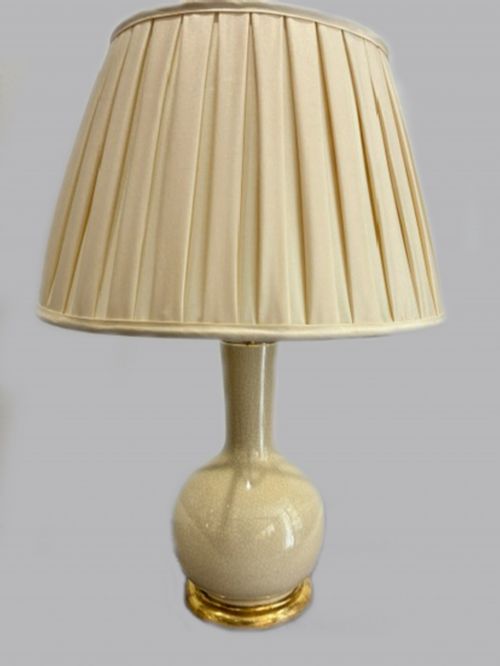
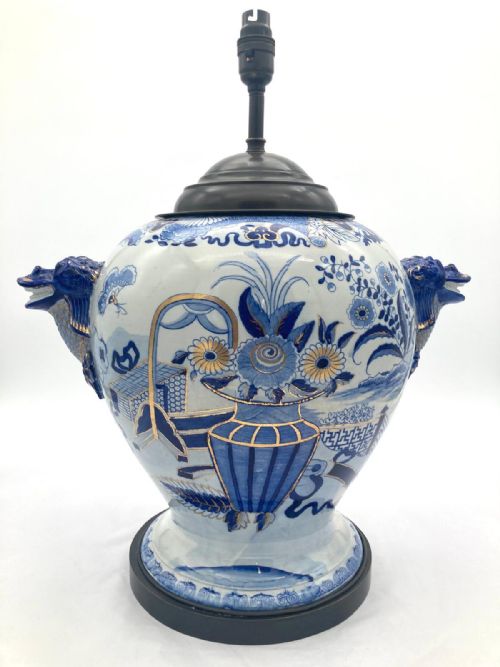
The most common examples on this page are 19th-century Chinese vases mounted with metal components or fitted directly for illumination. These range from blue and white crackleware and celadon vessels to vibrant famille rose and famille verte pieces.
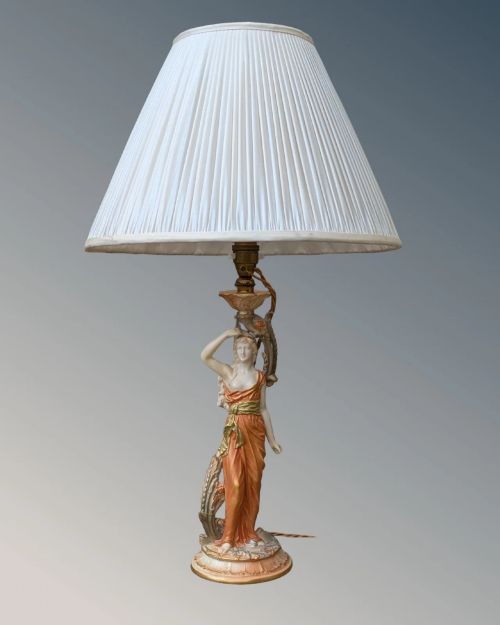
Beyond East Asian imports, European manufacturers such as Royal Worcester, Sitzendorf, and German porcelain works produced dedicated lamp bodies or adapted figural ceramics, including owl and spitz dog designs. Period styles span from Chinoiserie and Neoclassical Revival to French Chateau aesthetics.
Materials and Construction
The primary body of a porcelain table lamp base relies on fired ceramic material, often glazed in monochrome hues like sang de boeuf or painted with intricate cobalt blue, polychrome enamels, or gilt details. Ironstone, Delft, and hard-paste porcelain serve as the structural foundations for these varied bodies.
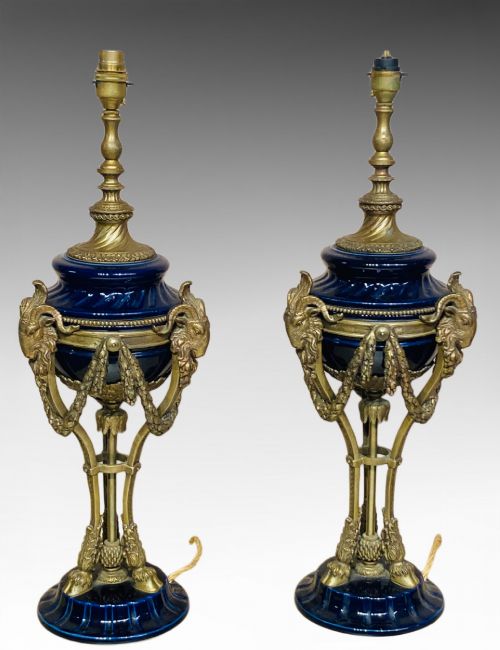
Conversion and mounting techniques unite the ceramic vessel with its electrical hardware using brass, ormolu, gilt bronze, or gilt metal mounts. Many pieces integrate wooden or marble plinths to stabilise the heavy porcelain body and elevate the overall composition.
Materials span hard-paste porcelain, ironstone, and Delft ceramics combined with gilt bronze, brass, and marble.
Judging Quality and Execution
Quality in a porcelain table lamp base rests upon the crispness of the ceramic moulding and the artistic skill evident in the hand-painted glaze or enamel work. Superior examples display precise brushwork, balanced proportions, and high-temperature glazes with depth and uniform colouration.
The standard of metal mountings also dictates overall grade, where heavy cast ormolu, finely chased brass, and integrated marble bases indicate a higher tier of production than simple drilled conversions with basic hardware.
Royal Worcester·Sitzendorf·Ernst Bohne and Sohn·Hicks and Meigh
The Porcelain Table Lamp Base Glossary
- Celadon
- A pale green jade-like glaze originating in East Asia. It creates a subtle, translucent surface on thick porcelain bodies.
- Famille Verte
- A porcelain enamel palette dominated by green tones. This Qing Dynasty style utilises vibrant mineral pigments to render floral and figural scenes.
- Ormolu
- Gilt bronze mounted onto decorative objects. This technique adds polished metallic definition to the ceramic base.
- Imari
- A traditional Japanese export style combining underglaze blue with iron red and gilt highlights. Pieces feature dense, decorative patterning.
- Ginger Jar
- A high-shouldered ceramic vessel with a domed lid, originally made for storage. These jars form the most frequent body type adapted into lamps.
Porcelain Table Lamp Base: Frequently Asked Questions
How are antique vases converted safely?
Conversion typically involves professional wiring running through a drilled base or fitted collar without compromising the structural integrity of the antique ceramic.
Fittings are chosen to complement the period style, often securing the vase between a brass baseplate and a top neck assembly.
How do I match a shade to my lamp?
Fabric and silk shades work best when their proportions balance the visual weight of the porcelain body and the height of the metal mounts.
Consider the background tone of the glaze, whether blue and white or polychrome, to select a complementary neutral or accent colour for the shade.
Can I date a lamp by its glaze?
Glaze characteristics, such as the depth of a sang de boeuf or the crackle effect on 19th-century Chinese ware, offer strong indicators of period and origin.
Comparing the potting style and pigment vibrancy alongside any factory marks helps narrow down the decade of production.
Where should I place these lamps?
These substantial bases suit side tables, sideboards, and desks where their sculptural form and decorative painting act as a focal point in the room.
Ensure the surface can support the weight of the ceramic body and any cast brass or marble mountings.