

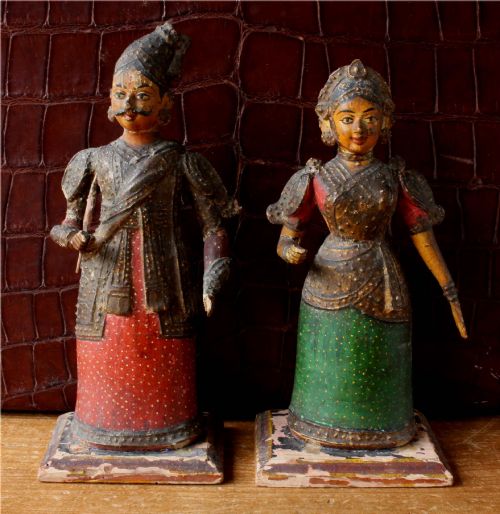
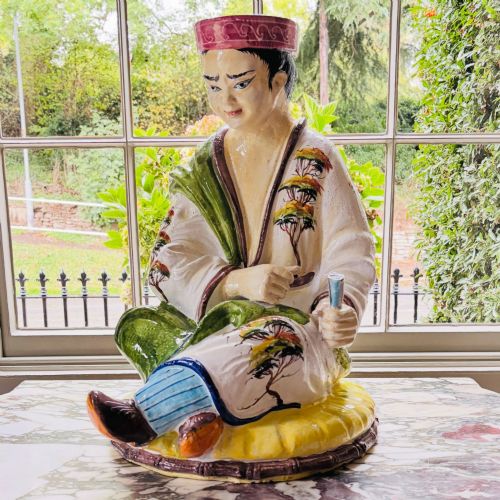
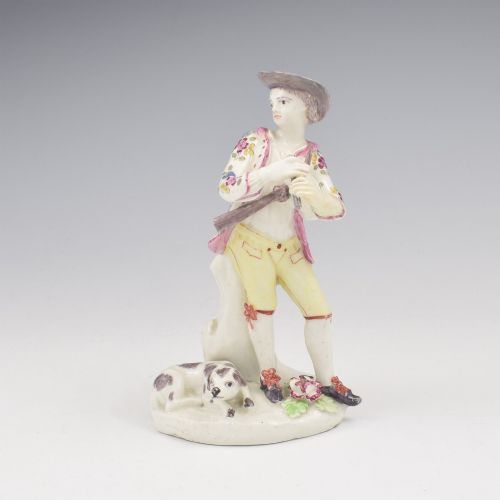
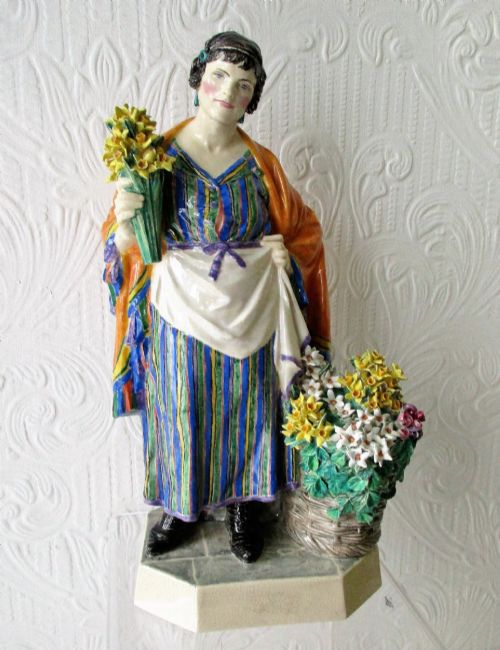

Polychromed Figures
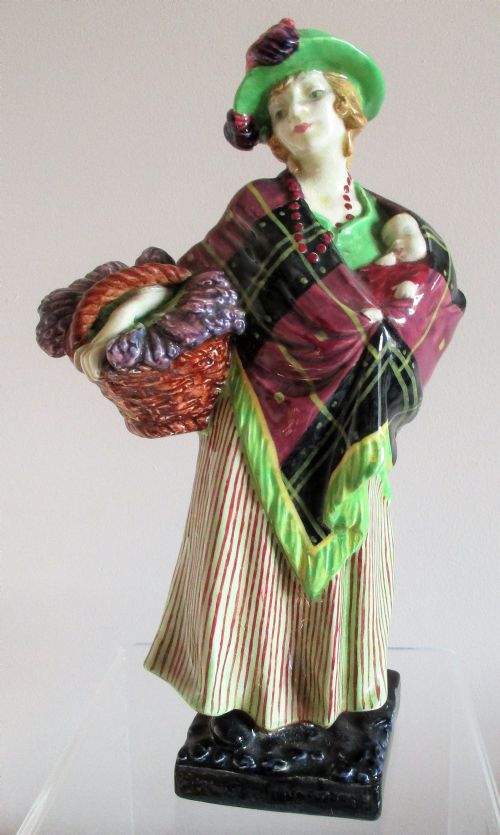
Polychromed figures bring together centuries of painted ceramics, carved wood and metalwork.
Polychromed Figures
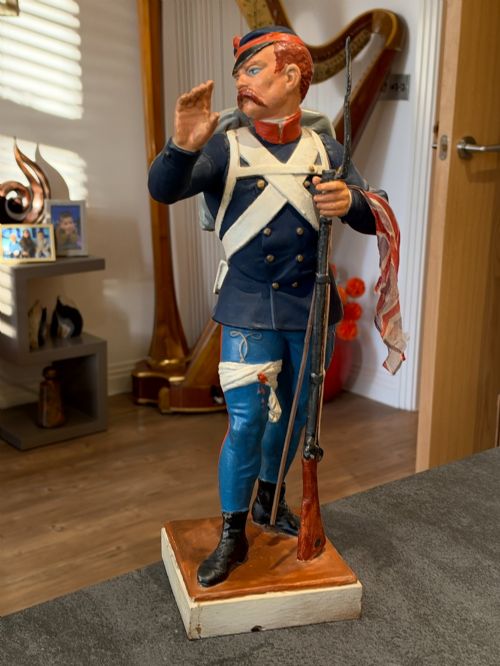
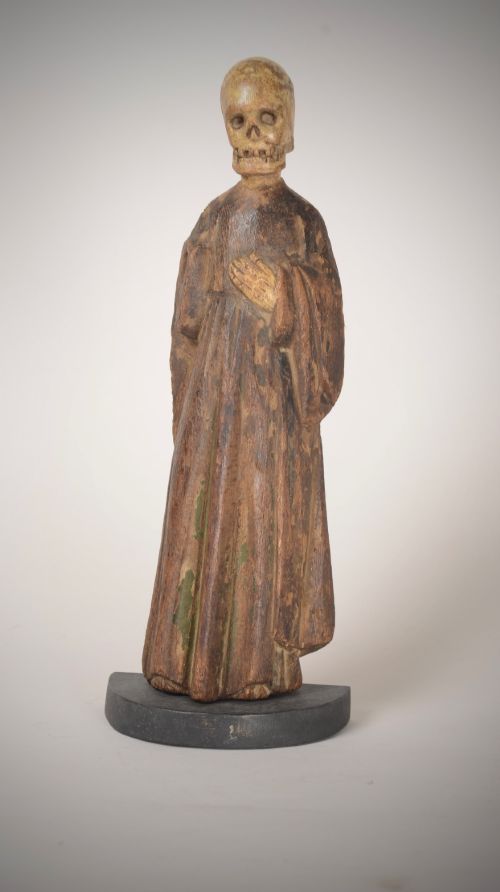
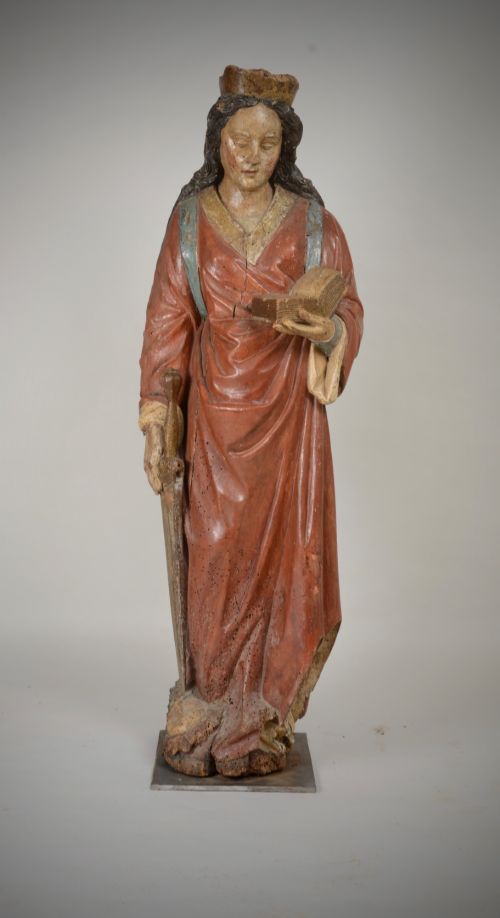
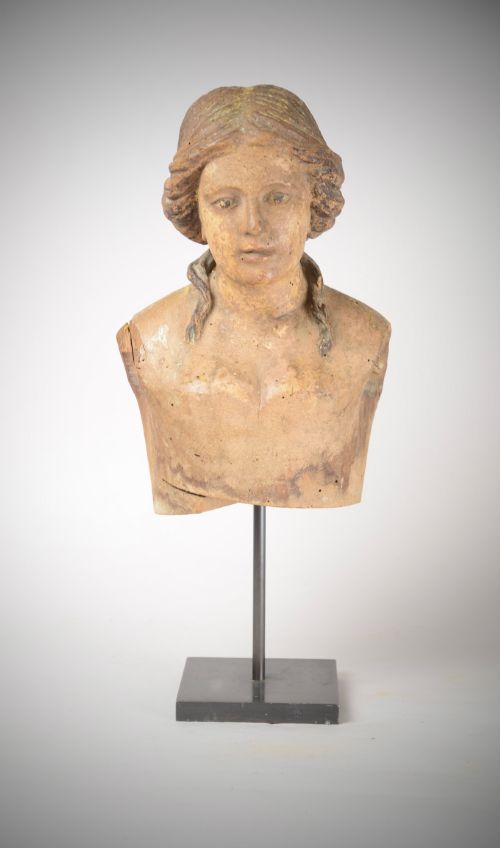
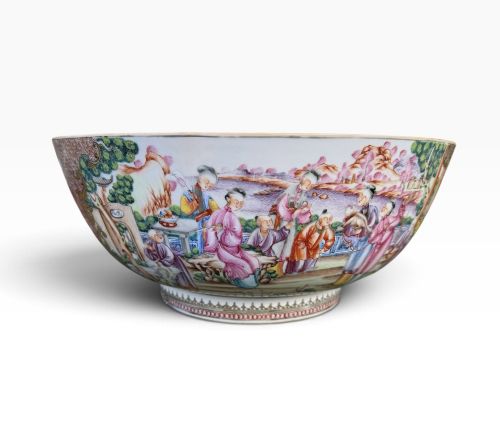
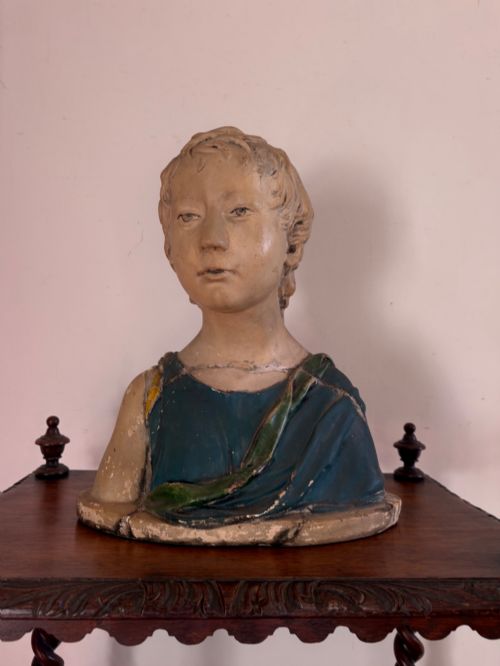
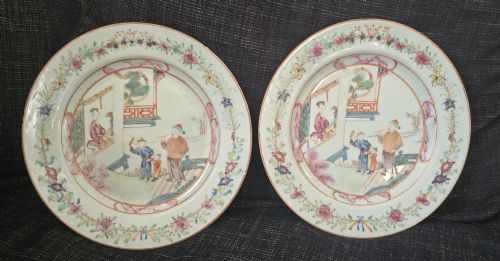
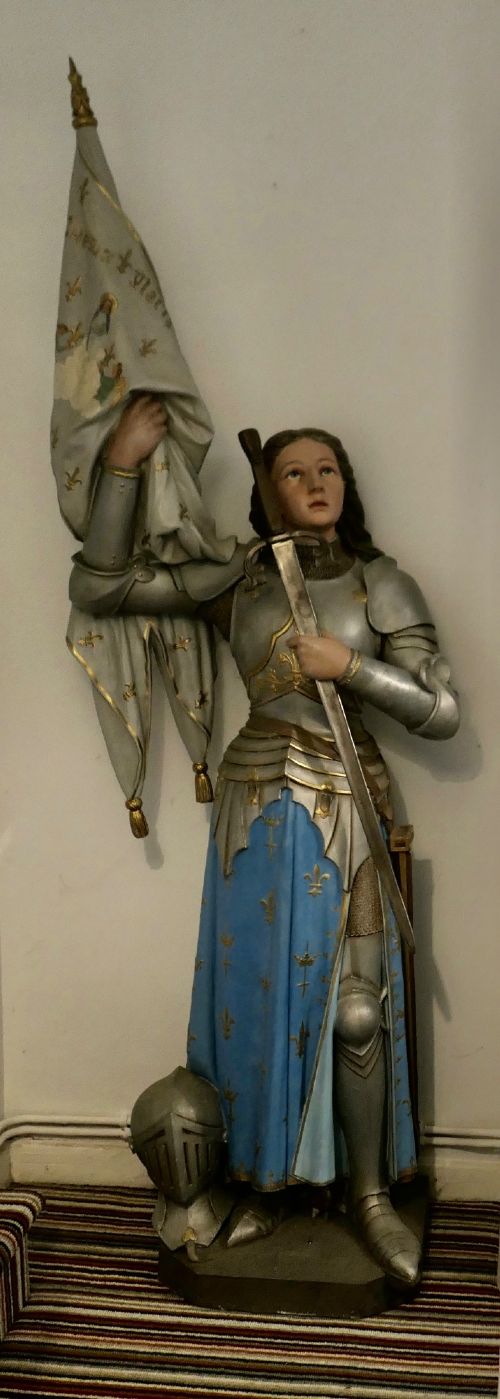
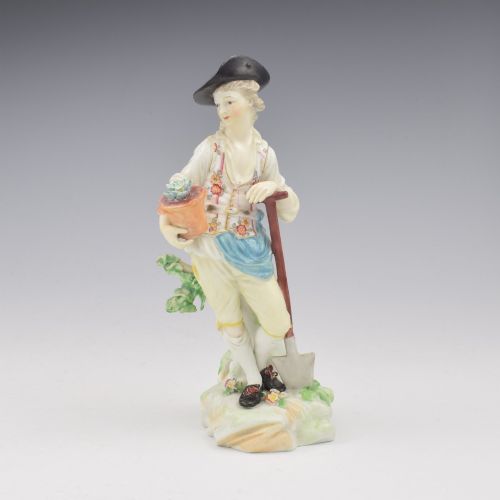
Polychromed figures span centuries of sculptural craft, taking the form of porcelain figurines, carved wooden saints, terracotta busts, and pottery animals. When searching for polychromed figures, buyers encounter everything from eighteenth-century porcelain parrots to nineteenth-century terracotta figures and carved wooden angels.
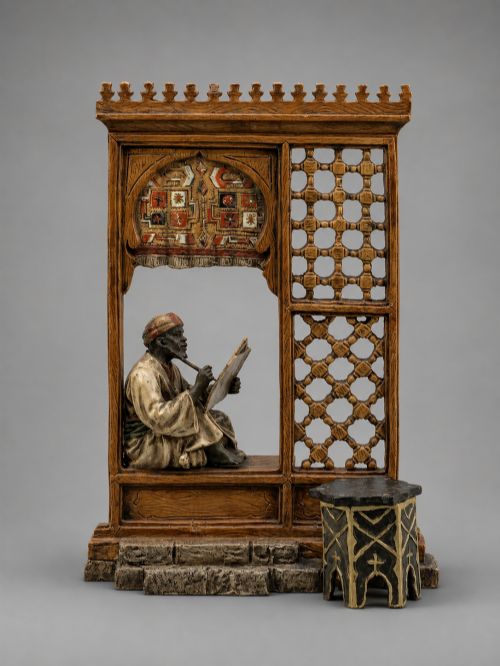
The materials range widely across the selections, incorporating enamel, porcelain, gold leaf, earthenware, carved wood, gesso, glaze, and polychrome paint. Styles stretch from Baroque and Rococo to Victorian and Orientalism, reflecting the varied origins of the pieces.
Carved wood and painted porcelain dominate the current selection, often depicting religious subjects, historical figures, exotic subjects, and animals. These objects serve as sculptural focal points in a room, drawing the eye through their painted detail and form.
How they were made
Makers shaped figures from clay, porcelain paste, or blocks of wood, applying pigments over gesso, glaze, or bare surfaces to build up the coloured decoration. Gold leaf and cold-painted bronze techniques add metallic highlights to specific areas of the sculptures.
Ceramic pieces undergo high-temperature firing before receiving enamel colours and overglaze decoration, while wooden sculptures require careful carving followed by priming and painting. The combination of structural material and surface pigment determines the tactile quality of each piece.
Polychromed Figures Retail Price Guide 2026
Typical asking prices for polychromed figures among the pieces listed under this phrase on Sellingantiques today, from the lower quarter to the upper quarter. They describe what is for sale here now, not the wider market.
Continental European and Asian origins appear across the selection, including pieces from Italy, China, Japan, Thailand, and Germany.
What varies in quality
Quality rests in the precision of the carving or moulding and the crispness of the painted detail. Finer works display deliberate brushwork and naturalistic proportions that bring the subject to life, whereas simpler pieces rely on basic mass production.
The preservation of the original surface finish heavily dictates the standing of a piece. Original polychrome paint and gilding that remain intact without extensive overpainting command greater regard from collectors.
Thomas Parr factory·Valentino Besarel·Samson of Paris·Edmé Samson·Franz Bergman
The Polychromed Figures Glossary
- Polychrome
- Painted or decorated in several colours. This term describes ceramics, wood, and plaster objects finished with multiple pigments.
- Gesso
- A plaster mixture used as a smooth base for paint on wood or canvas. It prepares carved wooden figures for gilding and polychrome decoration.
- Moriage
- A Japanese ceramic technique where clay is applied in dots or trails to create raised decorative patterns. It appears frequently on Meiji period Kutani wares.
- Spill vase
- A hollow ceramic holder designed to hold wooden spills for lighting fires. Staffordshire potters often combined these with figural groups.
- Cold-painted
- Painted with unfired oil or enamel paints after casting in bronze. Franz Bergman utilised this method for small figural bronzes.
Polychromed Figures: Frequently Asked Questions
How do I clean polychromed figures?
Dust surfaces gently with a soft, dry brush to prevent accumulation. Avoid using water or liquid cleaners, as moisture can damage aged paint and gesso.
Keep pieces away from direct sunlight and damp environments to protect the pigments from fading or flaking over time.
How do I date a figure?
Examine the materials, base markings, and manufacturing techniques to establish a baseline period. Stylistic cues such as Victorian costume details or Georgian forms offer further context for dating.
Compare the piece against known factory marks and documented examples from specific periods like the Meiji era or the eighteenth century.
Where should I display them?
Place figures on stable shelves, sideboards, or mantels away from high-traffic zones where they might get knocked. Adequate lighting helps highlight the painted details and surface textures of the sculptures.
Ensure the display location maintains a stable room temperature to prevent wood from splitting or ceramic glazes from crazing.