



Polychrome Wooden Sconces
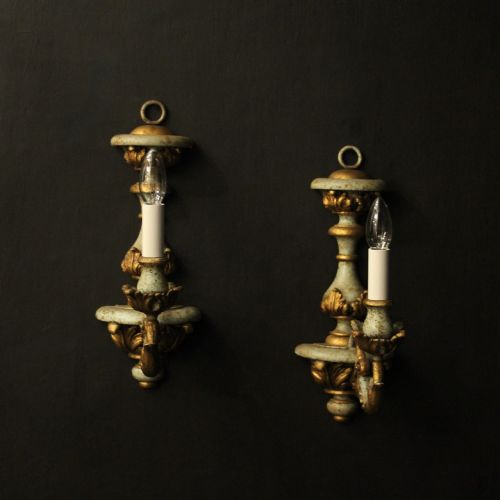
Polychrome wooden sconces bring painted colour and carved form to a wall, offering instant warmth to any room.
Polychrome Wooden Sconces
Polychrome wooden sconces combine carved timber with applied paint finishes to create decorative wall lighting fixtures. When searching for polychrome wooden sconces, a buyer finds items originating from various periods including the nineteenth century, nineteen-hundred, nineteen-ten, nineteen-twenty, and nineteen-thirty.
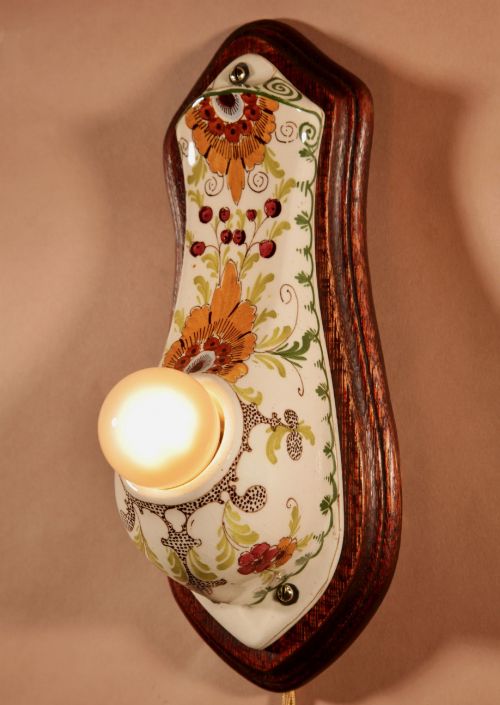
The pieces on this page primarily take the form of wall lights and wall sconces, frequently arranged as pairs with single, twin, or triple arms. Styles represented across these items span Italian Baroque, French Provincial, Italian Neoclassical, Art Nouveau, French Chateau, and Venetian Baroque style.
How they were made
These fixtures utilise carved wood as a primary base material, shaped into decorative wall lights and candelabras. Artisans applied gesso to prepare surfaces before adding paint finishes and metallic enhancements.
Makers incorporated polychrome paint, gold leaf, and silver gilding to enrich the carved wooden structures. Additional elements of metal are integrated into the construction to support the lighting arms.
Polychrome Wooden Sconces Retail Price Guide 2026
Typical asking prices for polychrome wooden sconces among the pieces listed under this phrase on Sellingantiques today, from the lower quarter to the upper quarter. They describe what is for sale here now, not the wider market.
Listings feature items spanning the nineteenth century through to nineteen-thirty, utilising carved wood, gesso, paint, and gold leaf.
What varies in quality
The standard of carving in the wooden base shapes the visual depth and refinement of each sconce. Finer examples display intricate hand-carved details that command attention on the wall.
The application of the polychrome paint and gilding alters the overall character of the piece. Superior finishes show careful layering of colour and metallic leaf that age with distinct visual harmony.
The Polychrome Wooden Sconces Glossary
- Polychrome paint
- The practice of decorating wooden objects in a variety of colours. This technique defines the visual surface of these wall lights.
- Gesso
- A plaster-like mixture applied to wood to create a smooth surface for painting and gilding. It provides the foundation for the metallic leaf layers.
- Giltwood
- Wood that has been coated with a thin layer of gold leaf. This material appears frequently alongside painted decorations on period fixtures.
- Candelabra
- A branched candlestick or holder for multiple light sources. Several pieces in this selection take this multi-armed sculptural form.
Polychrome Wooden Sconces: Frequently Asked Questions
How were they used historically?
Historically, these sconces were mounted on walls in pairs or groups to distribute candle light around a room. The reflective properties of the painted and gilded surfaces helped to maximise the available light.
They served as prominent decorative elements in salons, hallways, and dining rooms. Wealthy interiors utilised matching pairs to create symmetrical arrangements along panelled walls.
How do I live with them?
Living with polychrome wooden sconces involves integrating them into modern lighting schemes while preserving their historical character. Many owners choose to wire them for electricity while maintaining the original visual appearance.
Positioning them at eye level in living areas or entryways highlights their carved details and painted finishes. Gentle dusting keeps the gesso and paint layers secure over time.
How do I tell periods apart?
Distinguishing between periods relies on observing the prevailing style and the manner of the painted decoration. Nineteenth-century pieces often display heavier carving traditions, whereas nineteen-thirty examples reflect sleeker decorative choices.
Stylistic cues such as Italian Baroque or Art Nouveau point directly to the design ethos of their era. Comparing the complexity of the woodwork helps date the fixture accurately.