




Polychrome Wooden Relief Panel
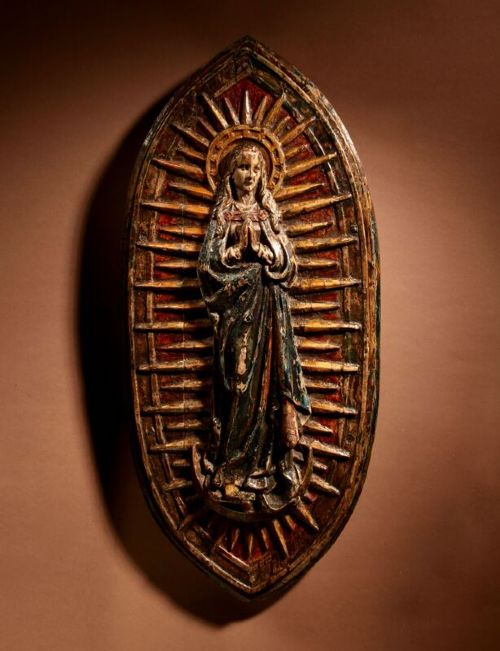
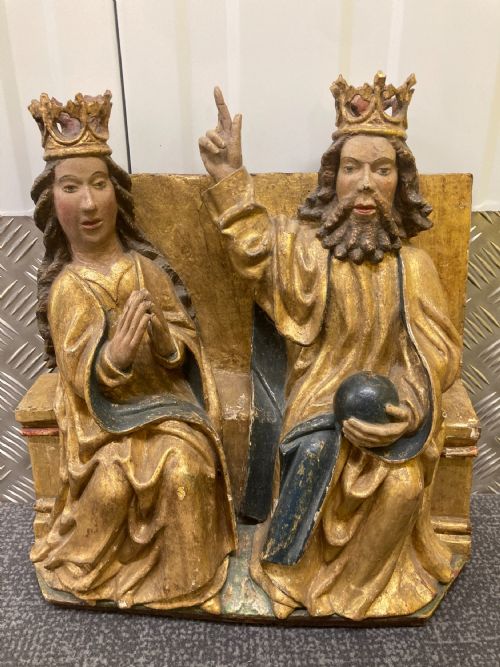
A polychrome wooden relief panel brings sculptural depth and rich pigment to a wall, offering centuries of carved artistry for a collector.
Polychrome Wooden Relief Panel
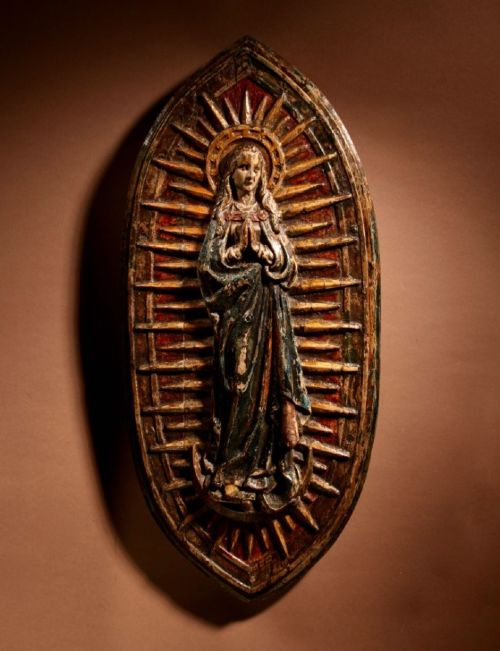
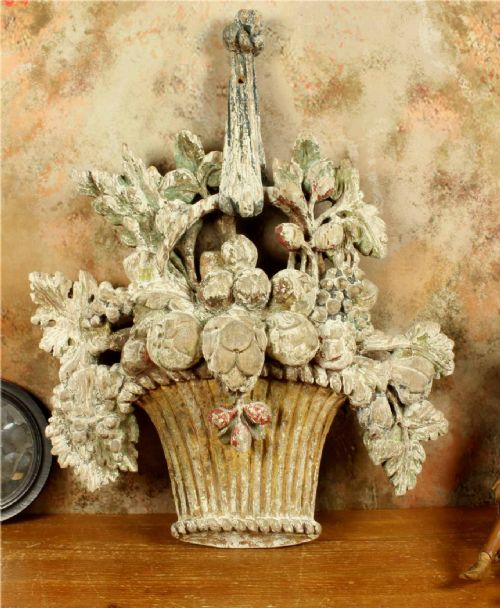
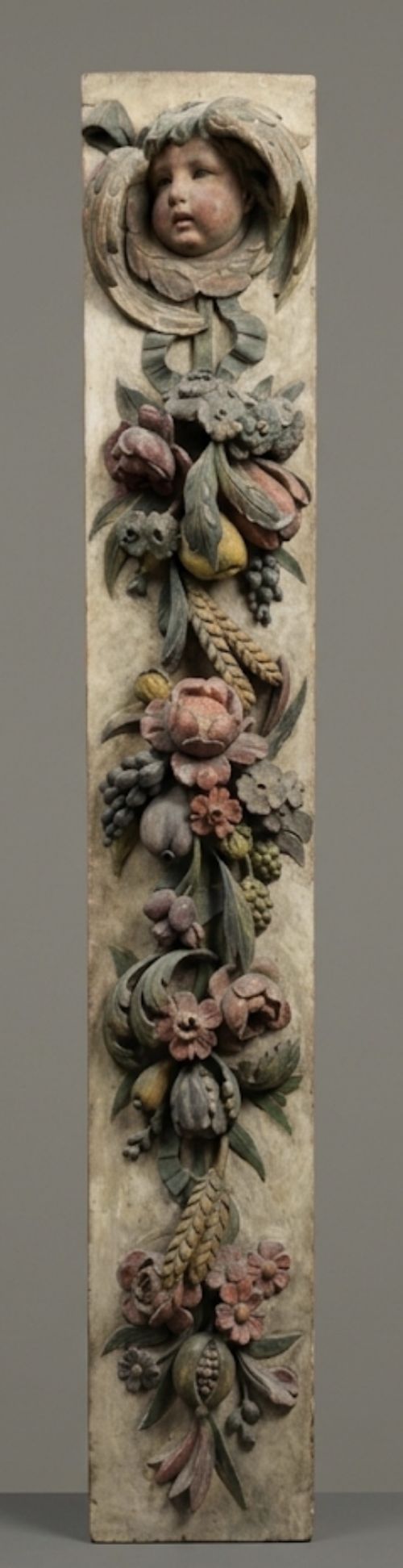
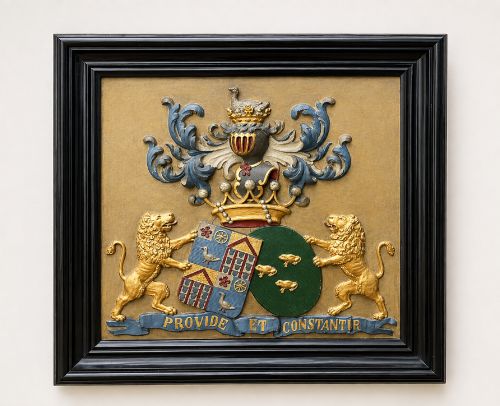
When you search for a polychrome wooden relief panel, you enter a diverse field of carved wall art spanning multiple centuries and global traditions. These objects range from religious altarpiece fragments to heraldic plaques, floral displays, and figurative groupings designed to be mounted directly onto walls.
The pieces most likely to be met on this page include European works from the sixteenth, seventeenth, eighteenth, and nineteenth centuries, alongside Chinese Qing Dynasty panels and African carved pairs. Forms vary from single cherub heads and marriage plaques to large altarpiece sections depicting sacred figures.
Makers utilised oak and other carved woods, applying gesso, gold leaf, and polychrome paint to enhance the three-dimensional depth of the relief work. Whether representing European Baroque grandeur or traditional Chinese carving, each panel serves as a self-contained focal point for architectural display.
What Varies in Quality
The distinction between ordinary and exceptional panels rests on the crispness of the chisel work and the preservation of the original painted or gilded surface. Skilled carvers achieved convincing anatomical proportions and expressive facial details, whereas lesser examples rely on stiff, formulaic execution.
The integrity of the polychrome scheme greatly influences a piece's standing, with untouched historical pigments commanding more interest than later repainting. Additionally, the complexity of the composition, such as multi-figure groups or intricate floral arrangements, separates standard decorative items from masterworks.
Polychrome Wooden Relief Panel Retail Price Guide 2026
Typical asking prices for polychrome wooden relief panel among the pieces listed under this phrase on Sellingantiques today, from the lower quarter to the upper quarter. They describe what is for sale here now, not the wider market.
One remarkably cheerful Dutch entry abandons solemn religious figures entirely in favour of an amusing jigsaw woodwork relief painting of a brass band.
Van Rijckevorsel and Verheijen
The Polychrome Wooden Relief Panel Glossary
- Polychrome
- Decorated in a variety of colours. This term describes surfaces painted with multiple pigments, often seen on historic wooden sculptures and panels.
- Relief
- A sculptural technique where the sculpted elements remain attached to a solid background of the same material. Relief is typically classified as high or low depending on how far the figures project.
- Gesso
- A paint mixture consisting of a neutral binder mixed with chalk, gypsum, or pigment. It was applied to wood surfaces to create a smooth preparation layer for gilding and polychrome paint.
- Giltwood
- Wood that has been covered with a thin layer of gold leaf or gold paint. This finish catches the light and adds richness to decorative carvings.
- Altarpiece
- A piece of artwork such as a painting, sculpture or relief representing a religious subject placed behind the altar of a Christian church. Central panels from these structures often survive as standalone wall art.
Polychrome Wooden Relief Panel: Frequently Asked Questions
How do I hang a heavy wooden panel?
Heavy wooden panels require secure wall fixings, typically involving professional mirror plates or heavy-duty brackets screwed into wall studs.
Weight distribution must be carefully managed to ensure the antique wood and any delicate gesso or paint layers remain undamaged.
How should I clean a painted wooden relief?
Dusting should be done gently with a dry, soft brush to avoid dislodging fragile pigments or gold leaf.
Water and chemical cleaning agents must be avoided entirely, as moisture can lift old gesso and nineteenth-century or earlier paint.
Are these panels meant for indoor display only?
These historical carvings are strictly intended for stable indoor environments where temperature and humidity fluctuations are minimal.
Fluctuations cause timber to expand and contract, which quickly leads to the cracking of historic polychrome paint and gesso layers.
How can I tell the age of a carved panel?
Age is determined by examining the tool marks left by the carver, the species of wood, and the natural ageing of the pigments and gesso.
Stylistic cues such as Gothic drapery, Renaissance proportions, or Baroque ornamentation also provide clear indicators of the period of origin.