

Plated Tableware
Plated tableware brings silver elegance to the dining table through durable metal bases finished with precious plating.
Plated Tableware
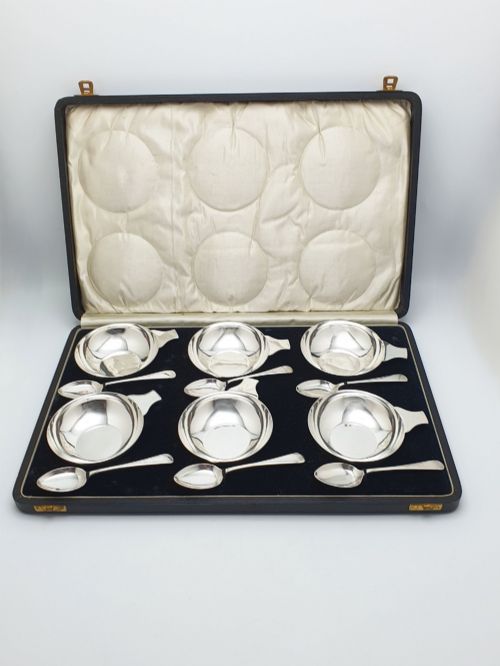
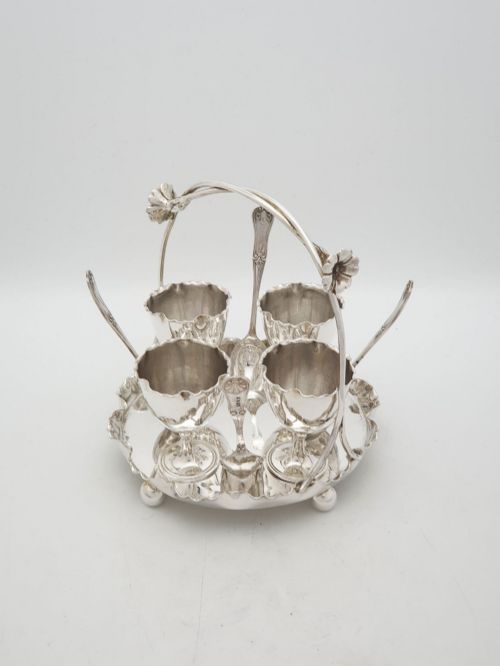
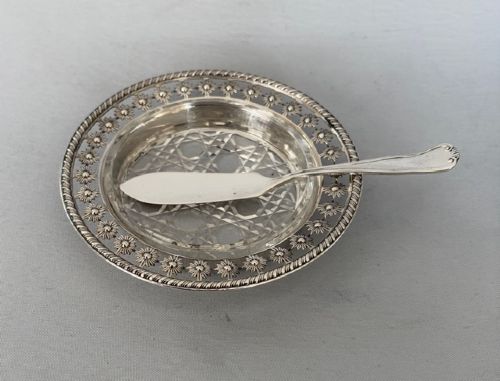
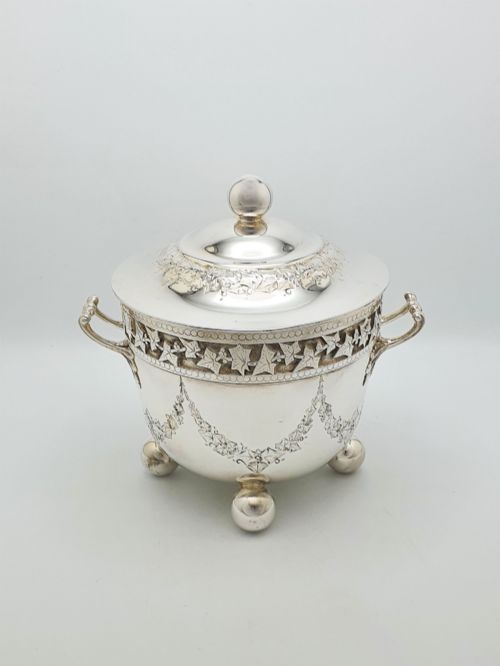
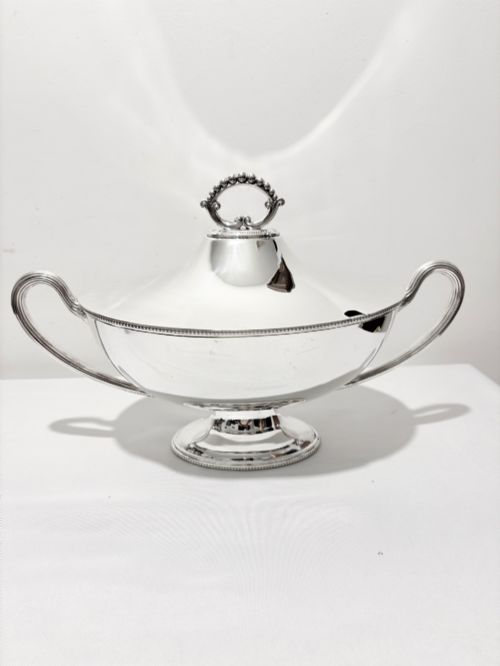
Plated tableware covers functional and decorative dining pieces created to bring a polished sheen to the table without the solid weight and cost of precious metal. When buyers search for plated tableware, they look for items that served formal meals, from toast racks and sauce boats to cruet sets and biscuit barrels.
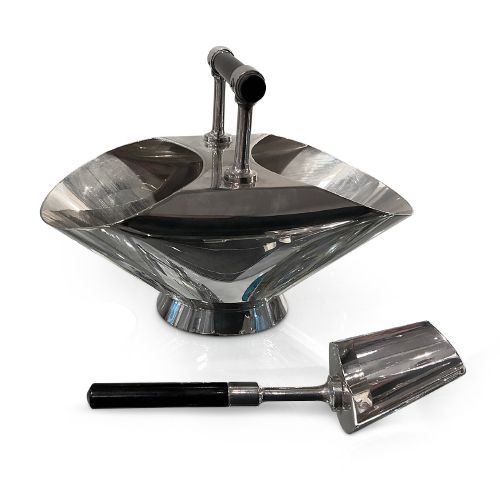
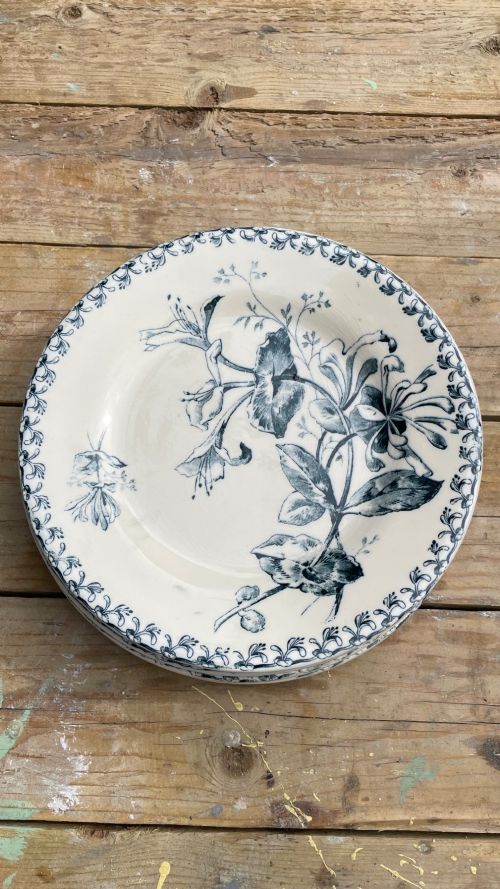
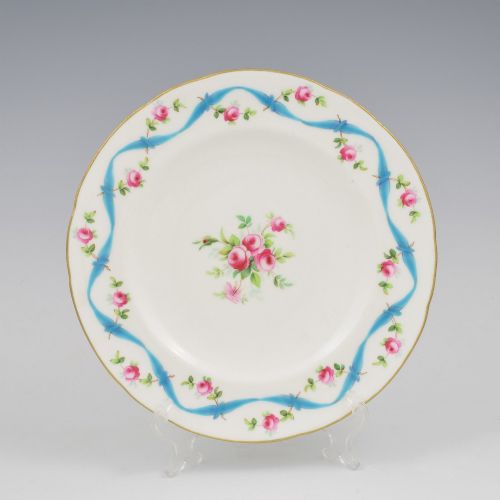
The pieces on this page span the nineteenth and twentieth centuries, taking in Victorian and Edwardian domestic rituals alongside mid-century French design. Makers such as Elkington, Mappin and Webb, and Christofle supplied homes with these silver plated utilities.
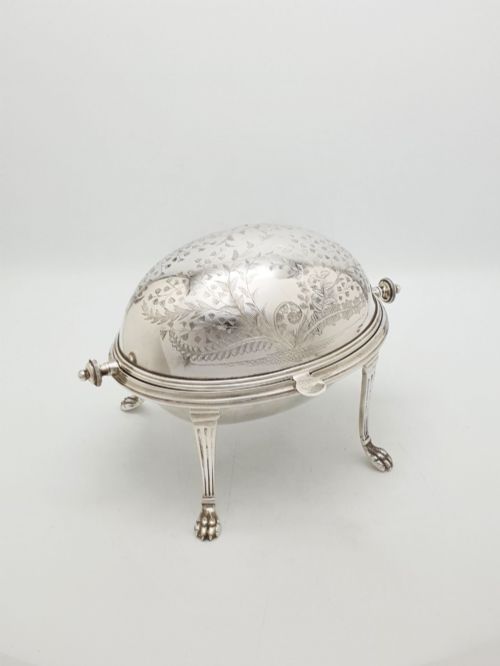
Victorian and Edwardian examples dominate the selection, showing substantial weight and decorative engraving. Alongside these, earlier Old Sheffield plate and later mid-century pieces from houses like Hermès offer varied stylistic approaches to hosting.
Materials and Methods
Makers formed these items using base metals like copper, brass, or white metal, subsequently applying silver through early fusion methods or later electroplating. Old Sheffield plate involved fusing a thin sheet of silver to a copper ingot before rolling and shaping.
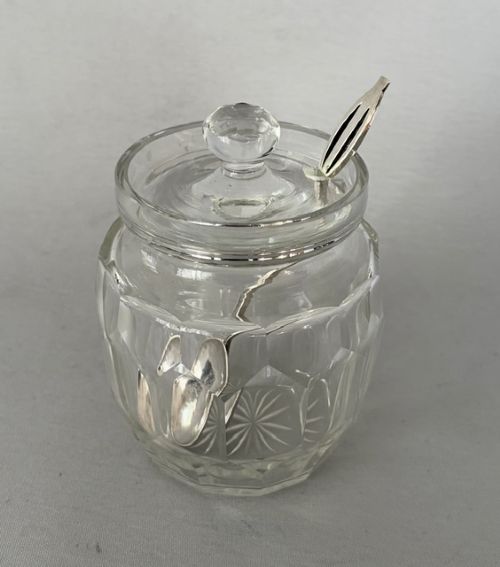
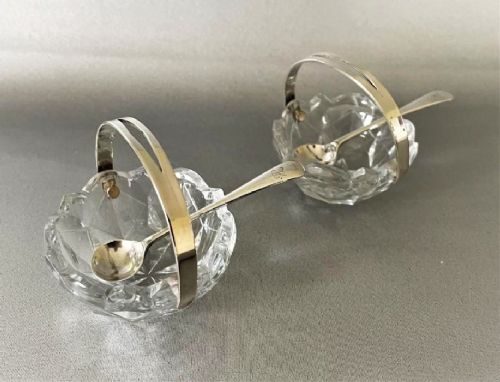
Electroplating, introduced in the mid-nineteenth century by firms like Elkington, used an electrical current to bond silver particles evenly onto a base metal object. Cut glass liners, porcelain inserts, and carved oak barrels frequently complement the metalwork in cruet sets and biscuit barrels.
Plated Tableware Retail Price Guide 2026
Typical asking prices for plated tableware among the pieces listed under this phrase on Sellingantiques today, from the lower quarter to the upper quarter. They describe what is for sale here now, not the wider market.
Lobster crackers join the dining selection alongside toast racks, ensuring nineteenth-century households could tackle shellfish with proper metal assistance.
Distinctions in Quality
Quality rests in the thickness of the silver application and the crispness of the chased or engraved decoration. Substantial base metal gauges prevent warping, ensuring lids close flush and frames remain rigid during use.
Maker marks indicate workshop standards, with established electroplaters and Old Sheffield makers achieving cleaner joints and more durable finishes. The integration of auxiliary materials like cut glass liners or fitted wooden staves also signals a higher grade of production.
Elkington·Mappin and Webb·Christofle·Hermès
The Plated Tableware Glossary
- Old Sheffield Plate
- An early composite material made by fusing a sheet of silver to a copper base before hammering or rolling. This technique creates a distinctive edge where the underlying copper occasionally shows through with wear.
- Electroplate
- A modern plating method utilising electrical current to deposit a layer of silver onto a base metal object. This process allowed for complex ornamentation and more uniform silver coverage.
- Cruet Set
- A collection of small bottles, casters, or jars held in a metal frame for condiments and sauces at the table. These sets often incorporate glass bottles with silver plated mounts.
- Biscuit Box
- A lidded container designed for storing and serving dry biscuits or crackers in the nineteenth century. Many examples feature hinged or rolling mechanisms to enclose the contents.
- Sauce Boat
- A vessel with a lip and handle used for serving gravies and sauces. They often sit on an attached underplate or rest upon three feet.
Plated Tableware: Frequently Asked Questions
How do I clean silver plated tableware?
Use a soft cloth with a mild silver polish formulated specifically for plated items. Avoid harsh abrasives that can wear through the thin silver layer to the base metal underneath.
Rinse the pieces in warm water and dry them thoroughly with a lint-free cloth to maintain their lustre without damaging the historical surface.
What is the difference between Old Sheffield plate and electroplate?
Old Sheffield plate involves physically fusing silver and copper sheets together under heat before rolling them into workable metal. You can often spot a thin copper line along exposed edges on older pieces.
Electroplate relies on a chemical bath and electrical current to bond silver to a base metal. This later technique produced more intricate decoration with uniform silver coverage across complex shapes.
How were toast racks used at the table?
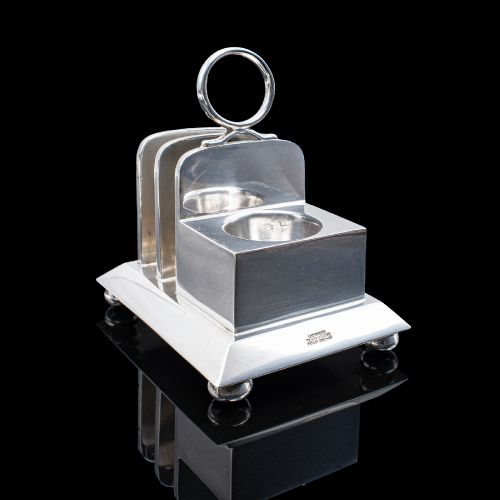
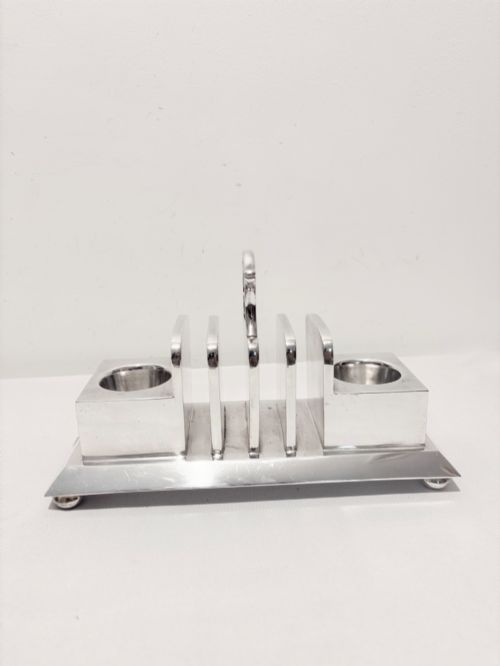
Toast racks held slices of hot toast upright to prevent condensation from making the bread soggy before serving. They sat on breakfast tables alongside butter dishes and cruet sets.
Victorian households valued them as specialised serving pieces that kept individual pieces of toast crisp during formal morning meals.
Can I use antique plated tableware for daily dining?
Most plated items function well for modern dining provided you wash them by hand rather than putting them in a dishwasher. The durable base metals and silver layers were built for regular domestic service.
Hand washing protects delicate glass liners, wooden barrels, and the underlying metal from harsh detergent chemicals and high heat.