


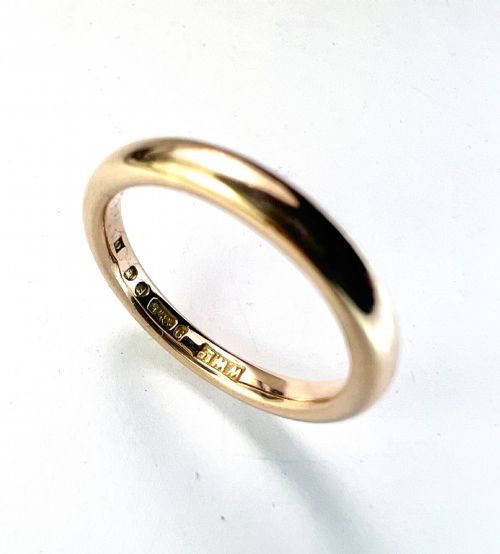


Plain Gold Ring
A plain gold ring carries history on the hand, offering simple elegance across decades of changing tastes.
Plain Gold Ring
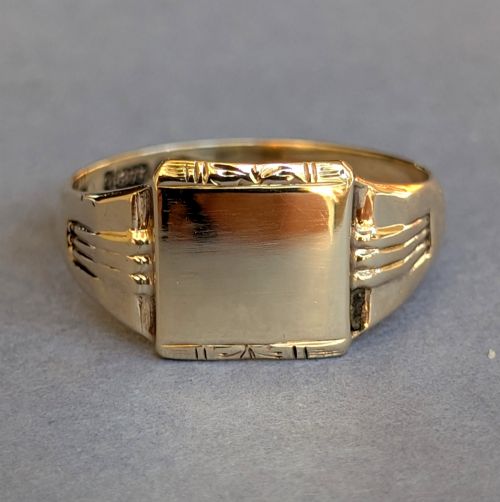
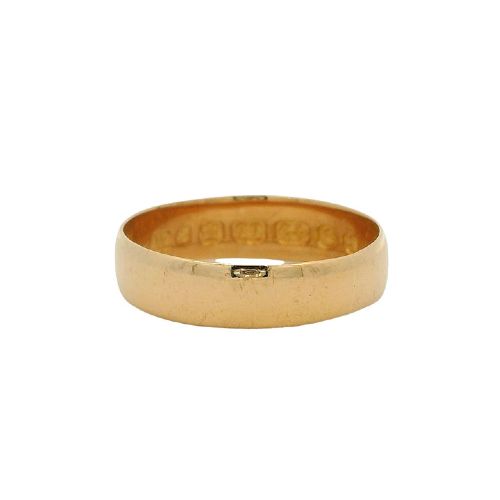
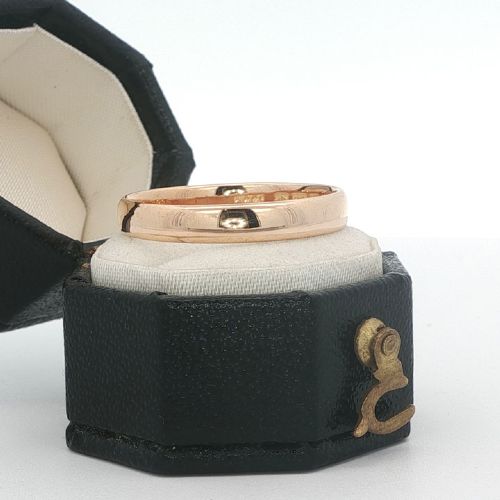
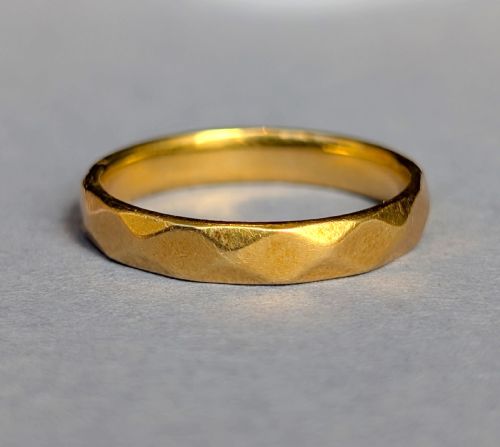
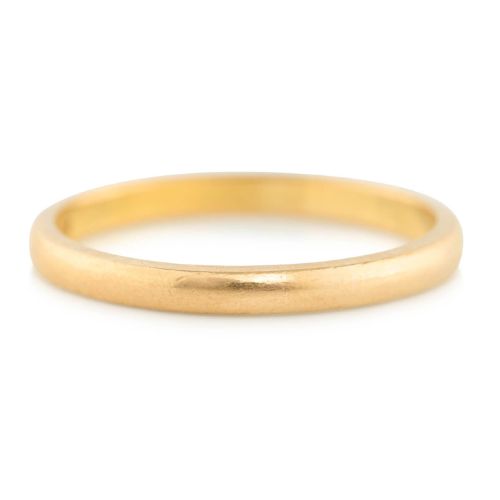
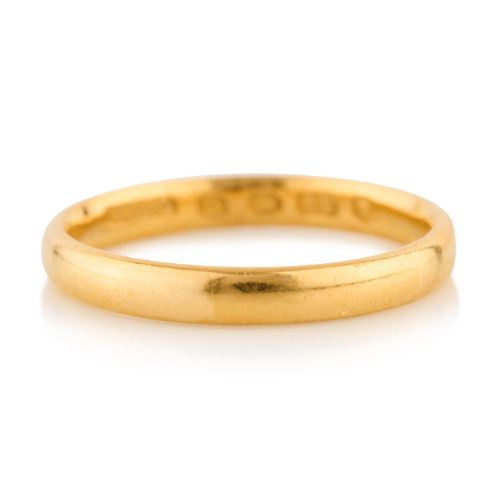
A plain gold ring takes the form of a wedding band, stacking band, or signet ring, shaped for daily wear without stones or complicated carving. When you search for a plain gold ring, you find pieces spanning the Victorian, Edwardian, Art Deco, and Mid-Century eras.
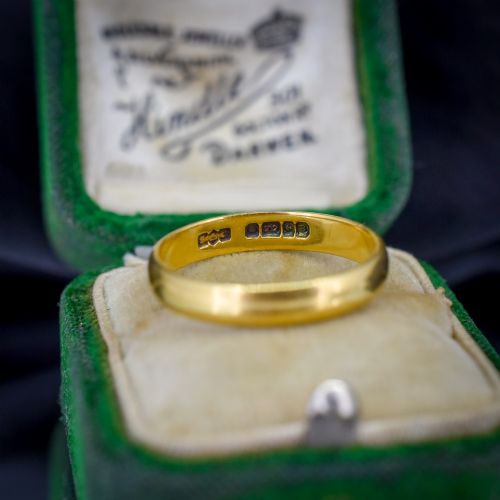
The wedding band dominates the selection, accompanied by round and oval signet rings. These pieces originate from British assay offices, carrying clear date letters and hallmarks that anchor them firmly in their respective decades.
How they were made
Gold alloys form the core material of these pieces, ranging from the high purity of twenty-two carat yellow gold down to nine carat yellow and rose gold. Goldsmiths shaped these metals into solid bands and signet forms, relying on traditional hammering and sizing techniques.
Assay office stamps and maker marks provide direct evidence of manufacture, stamped into the interior of the metal. These hallmarks verify the carat weight and year of creation for each ring.
Plain Gold Ring Retail Price Guide 2026
Typical asking prices for plain gold ring among the pieces listed under this phrase on Sellingantiques today, from the lower quarter to the upper quarter. They describe what is for sale here now, not the wider market.
Listings show gold purity ranging from nine carat up to twenty-two carat, spanning Victorian to Mid-Century periods.
What varies in quality
The purity of the gold alloy dictates the richness of the hue and the softness of the metal, with twenty-two carat pieces offering a deeper colour than nine carat examples. Heavier gauge bands retain their structural integrity and width more effectively over generations of wear.
Crispness of the original hallmarks and the preservation of the original band width distinguish superior examples. Substantial weight and clean edges separate simple utility bands from finer workshop outputs.
The Plain Gold Ring Glossary
- Hallmark
- An official stamp indicating the metal purity, assay office, and year of manufacture. These small marks are pressed directly into the inner band of the ring.
- Carat
- The measure of gold purity in an alloy, where twenty-four carat represents pure gold. Lower carat numbers indicate a higher proportion of strengthening metals.
- Signet ring
- A ring featuring a flat face, traditionally used for sealing documents with wax. Examples appear in round and square shapes.
- Wedding band
- A plain, circular band exchanged during marriage ceremonies. These form the majority of the surviving historical ring stock.
- Assay office
- An official body that tests precious metals and applies hallmark stamps. British offices include London and Chester.
Plain Gold Ring: Frequently Asked Questions
Can I wear a vintage wedding band daily?
These rings were built for everyday wear from durable gold alloys like twenty-two carat and eighteen carat. Their solid construction handles regular use well.
Thinner nine carat bands or lighter stacking rings benefit from occasional checks for wear. Proper care keeps them secure on the hand for years to come.
How do I know the date of the ring?
British pieces feature a system of hallmark stamps that include a specific letter corresponding to the year of assay. Assay office marks also point to the location where the metal was tested.
Matching the letter punch to historical assay charts reveals the exact year of creation. Many rings also feature direct engraving of dates from the original owners.
What is the difference between yellow and rose gold?
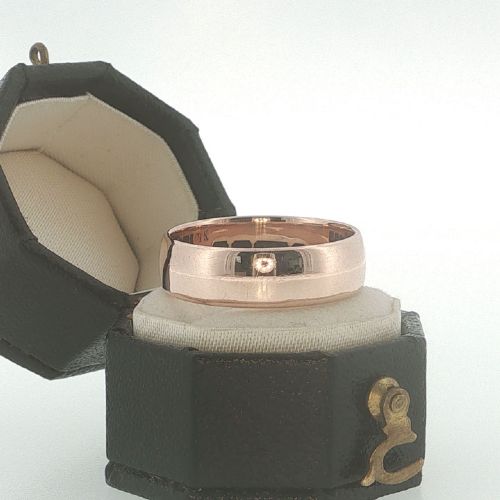
Yellow gold is an alloy of gold mixed with silver and copper to maintain a warm, golden hue. Rose gold contains a higher proportion of copper in the alloy mixture, creating a distinct reddish tint.
Both materials were utilised across the Victorian and mid-century periods. The choice depends entirely on personal preference for metal tone.
What are signet rings used for?
Signet rings historically served as personal seals, pressed into hot wax to authenticate letters and documents. The flat top surface often carried engraved initials or family crests.
Today, they are worn as decorative pieces on the finger. Oval and square face shapes provide a bold alternative to standard wedding bands.