



Pink Pearl Jewellery
Pink pearl jewellery combines organic lustre with delicate colour, offering a refined piece of history to wear today.
Pink Pearl Jewellery
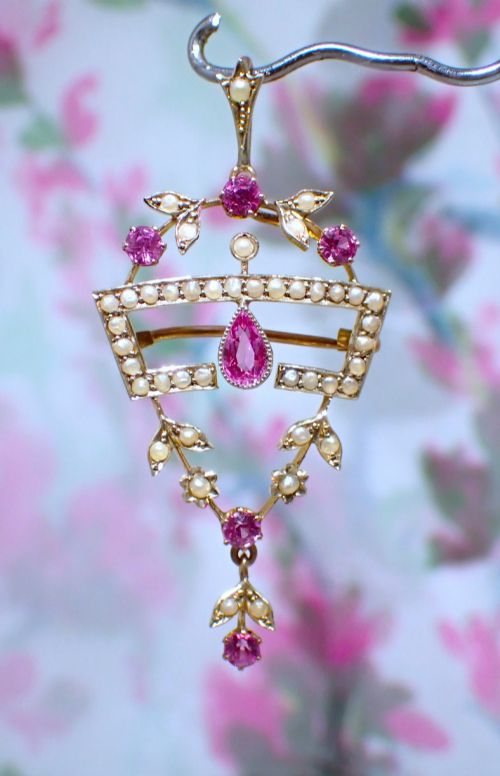
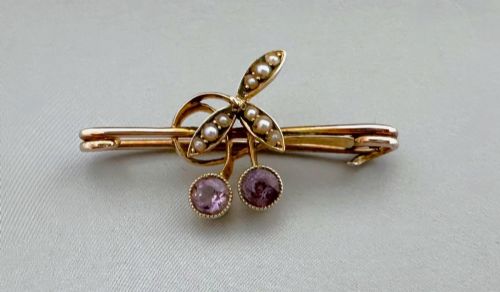
Pink pearl jewellery encompasses pendants, brooches, necklaces and rings shaped by Victorian, Edwardian, Art Nouveau and Art Deco hands. The pieces you encounter most frequently on this page date from the late nineteenth century through to the Edwardian period, often incorporating natural or seed pearls alongside coloured gems.
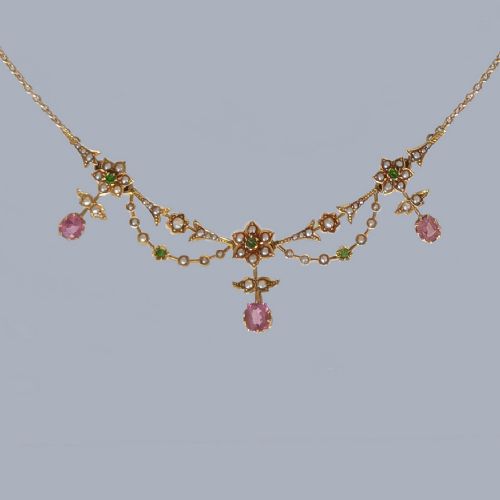
Makers of these items utilised gold, silver and platinum to frame their stones, frequently pairing pearls with pink tourmaline, sapphire, garnet and coral. The resulting forms range from delicate lavalier pendants to substantial cluster rings and fringe necklaces designed to sit close to the collar.
The aesthetic leans towards floral motifs, geometric lines and flowing organic shapes characteristic of the Arts and Crafts and Belle Epoque movements. Collectors will find that these jewels reflect the changing tastes of their era while retaining a distinct focus on feminine tones.
How they were made
Goldsmiths constructed these jewels using fifteen-carat and eighteen-carat gold, alongside silver and platinum settings that securely held the small seed pearls and larger gemstones in place. Techniques such as plique-a-jour enamel were employed in workshop settings to create translucent, stained-glass effects within the metal framework.
Pearls and seed pearls were hand-threaded or meticulously set into prongs and bezels alongside pink tourmalines, sapphires, garnets and diamonds. Artisans fashioned intricate fringes and clusters by hand, soldering delicate links and mountings that required considerable patience and steady dexterity.
Pink Pearl Jewellery Retail Price Guide 2026
Typical asking prices for pink pearl jewellery among the pieces listed under this phrase on Sellingantiques today, from the lower quarter to the upper quarter. They describe what is for sale here now, not the wider market.
Victorian jewellers occasionally used conch pearls that carry a distinct flame-like optical effect beneath a delicate pink glow.
What varies in quality
The standard of execution in these pieces rests on the precision of the metalwork and the integration of the organic elements with the gemstones. Finer examples display meticulous claw work, secure pearl seating and balanced proportions between the central stone and the surrounding pearls.
Material selection dictates the upper tier of the range, where natural conch pearls or high-carat gold mountings elevate the piece. The finesse of the maker's hand, particularly in enamel work or intricate fringe assemblies, separates standard production from exceptional artistry.
Eduard Loss·Liberty and Co
The Pink Pearl Jewellery Glossary
- Seed pearl
- A very small, naturally formed pearl, often round or slightly irregular, used extensively in clusters and fringes during the Victorian and Edwardian eras. These tiny gems require careful setting to ensure they remain secure within the gold or silver mount.
- Plique-a-jour
- An enamelling technique where the enamel is applied without a backing, allowing light to shine through the transparent or translucent coloured glass. This method produces a vibrant, stained-glass effect popular in Art Nouveau jewellery.
- Lavalier
- A pendant featuring a stone or ornament suspended from a delicate chain, often incorporating a second dangling drop below. This style gained immense popularity during the Edwardian period.
- Cluster ring
- A ring design featuring a central gemstone encircled by a tight ring of smaller stones, typically diamonds or pearls. This arrangement maximises visual impact and light reflection.
- Fringe necklace
- A necklace featuring numerous small drops or pendants suspended at regular intervals along a central chain or collar. Such designs were favoured for evening wear in the early twentieth century.
Pink Pearl Jewellery: Frequently Asked Questions
What is pink pearl jewellery?
Pink pearl jewellery consists of vintage and antique rings, brooches, and pendants that incorporate natural or cultured pearls alongside pink-hued gems like tourmaline and sapphire.
These pieces span the Victorian, Edwardian, and Art Deco periods, showcasing the diverse design aesthetics of the late nineteenth and early twentieth centuries.
How do I date a piece?
Dating relies on examining the metal purity marks, stone cuts, and overall stylistic motifs characteristic of specific eras such as the Victorian or Edwardian periods.
Techniques like hand-soldered settings and specific gemstone combinations also help narrow down the decade of creation.
How should I care for it?
Organic gems like pearls require gentle handling and should be kept away from harsh chemicals, perfumes, and ultrasonic cleaning devices.
Store them separately in a soft pouch to prevent the metal settings from scratching the delicate surface of the pearls.
Can I wear these pieces daily?
While many antique brooches and pendants withstand regular wear, delicate seed pearl items and rings benefit from occasional rather than daily use.
Careful rotation helps preserve the integrity of the antique gold settings and the security of the pearls.