


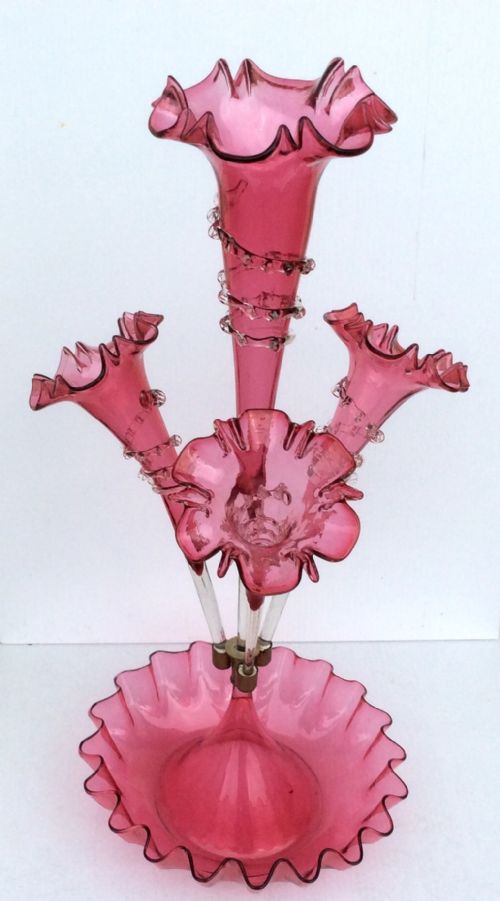


Pink Glass Flower Vase
A pink glass flower vase brings a brilliant punch of colour to a room, catching the light in ways clear crystal simply cannot manage.
Pink Glass Flower Vase
A pink glass flower vase covers a range of Victorian and later vessels designed to hold cut blooms while serving as decorative objects in their own right. When you search for this phrase, you meet pieces stretching from the nineteenth century into the mid-twentieth century.
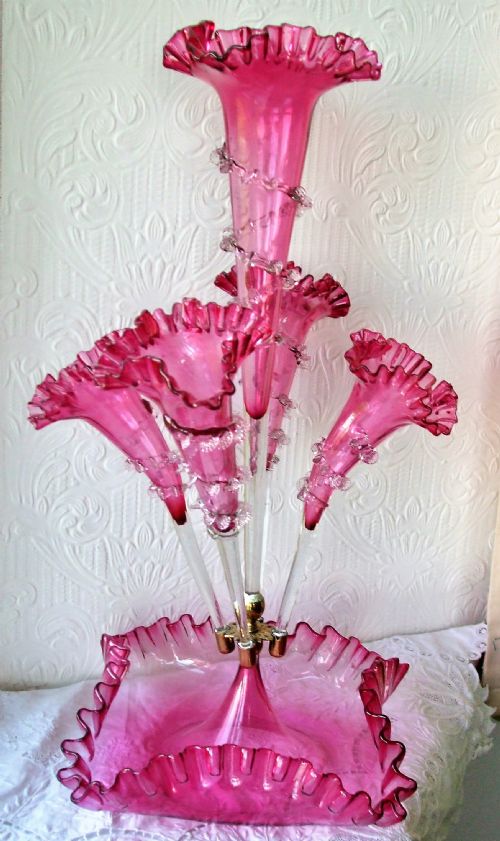
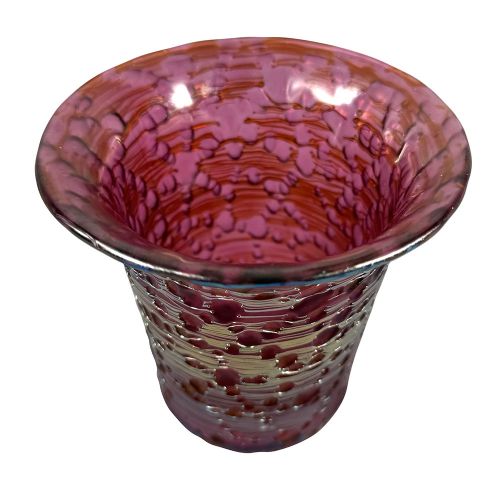
The selection here leans heavily towards Victorian cranberry glass, along with later lily vases and iridescent Art Nouveau examples. Makers from London, Bohemia and notable English glassworks produced these striking vessels.
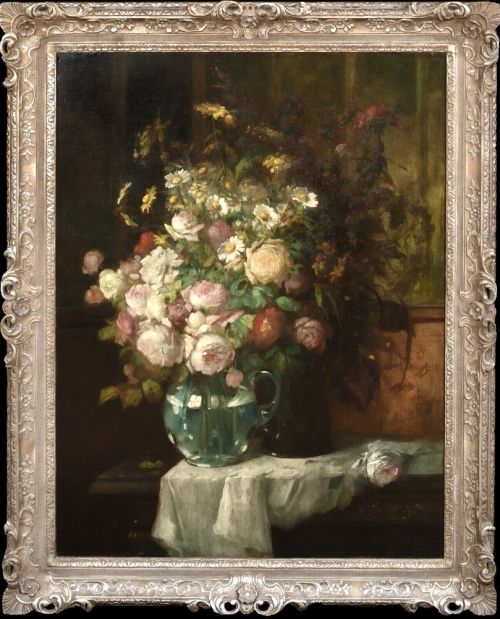
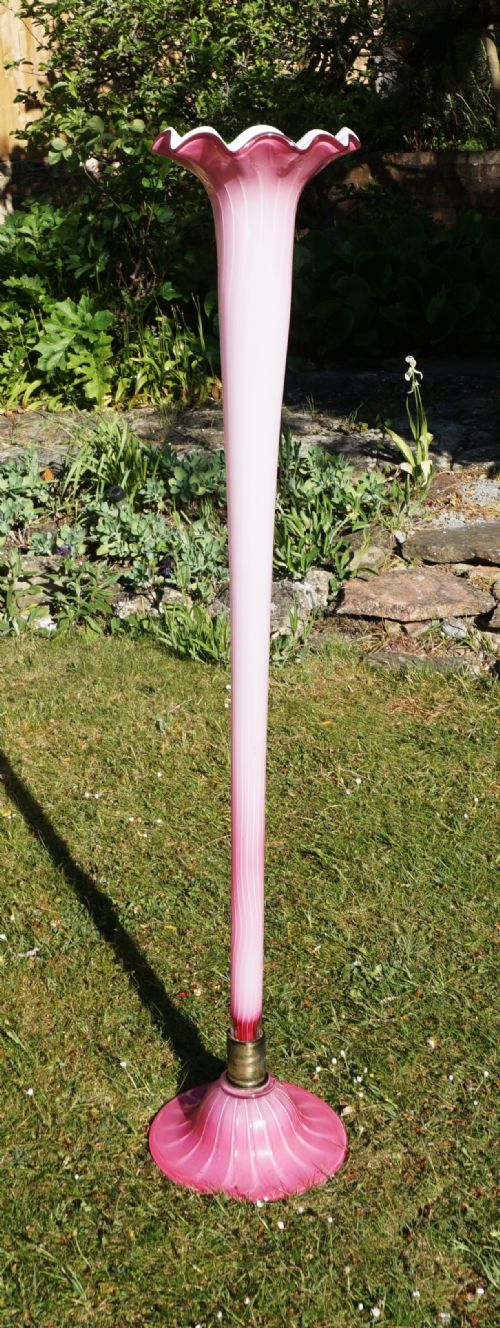
Forms vary from table centrepieces and cornucopias to tall lily vases with white cane decoration and pink trails. Alongside actual glassware, the selection includes related still life flower paintings rendered in oil or tempera.
How they were made
Craftsmen shaped these vessels using hot glass techniques, often employing cased glass methods where a white layer is fused inside a pink exterior. Blowing and moulding formed the foundational body of each piece.
Makers added decorative elements such as white cane decoration, applied pink trails and iridescent surface treatments. Enamel details and gilded brass mounts occasionally complemented the glass bodies.
Pink Glass Flower Vase Retail Price Guide 2026
Typical asking prices for pink glass flower vase among the pieces listed under this phrase on Sellingantiques today, from the lower quarter to the upper quarter. They describe what is for sale here now, not the wider market.
Materials recorded across the inventory include cranberry glass, clear glass, brass, oil paint, canvas and gilded wood.
What varies in quality
Quality rests on the depth of the pink colour and the skill of the glassblower in achieving clean lines and balanced proportions. Cased glass and complex trailed patterns demand higher technical proficiency than plain tinted vessels.
The presence of recognised makers or specific regional attributions elevates a piece above standard workshop production. Intricate forms like multi-trumpet epergnes and cornucopias demonstrate greater ambition in design.
Konstantin Stoitzner·Stuart Armfield·Thomas Webb
The Pink Glass Flower Vase Glossary
- Cranberry glass
- A rich red-pink glass coloured with gold chloride during the melting process. It became immensely popular during the Victorian era for tableware and decorative items.
- Cased glass
- A technique involving layers of different coloured glass fused together while hot. This method allowed makers to create striking contrasts between the interior and exterior.
- Epergne
- A large table centrepiece featuring multiple detachable vases or baskets branching from a central base. They were designed to hold flowers and fruit for grand dining tables.
- Cornucopia
- A horn-shaped vessel traditionally symbolising abundance and plenty. In Victorian glass, these pieces were often formed with ruffled rims and mounted on bases.
- Iridescent glass
- Glass treated with metallic salts while hot to produce a shimmering, rainbow-like surface effect. This finish defines many Art Nouveau pieces from the period.
Pink Glass Flower Vase: Frequently Asked Questions
What is cranberry glass?
Cranberry glass is a distinctive transparent red-pink glass created by adding gold to the molten batch. It gained widespread popularity during the Victorian period for decorative items and tableware.
Pieces made from this material often feature heavily ruffled rims and applied clear glass feet or handles.
How do I date a pink glass vase?
Dating relies on the manufacturing technique, colour tone and stylistic markers such as Victorian ruffles or Art Nouveau iridescence. Earlier nineteenth-century examples often display deeper cranberry tones and heavy lead content.
Later twentieth-century pieces shift towards mid-century forms and brighter, uniform pink shades.
What is a lily vase?
A lily vase is a tall, slender vessel designed with a flared, flower-like rim resembling the bloom of a lily. They often stood on slender stems and were utilised for single long-stemmed blooms.
Victorian makers frequently produced these in cased pink and white glass with applied trails.
Where were these vases made?
These pieces originate from various European centres, with significant production in London glassworks and Bohemian factories. English makers like Thomas Webb produced notable Burmese glass variations.
Continental workshops contributed diverse styles ranging from Victorian novelties to iridescent Art Nouveau designs.