


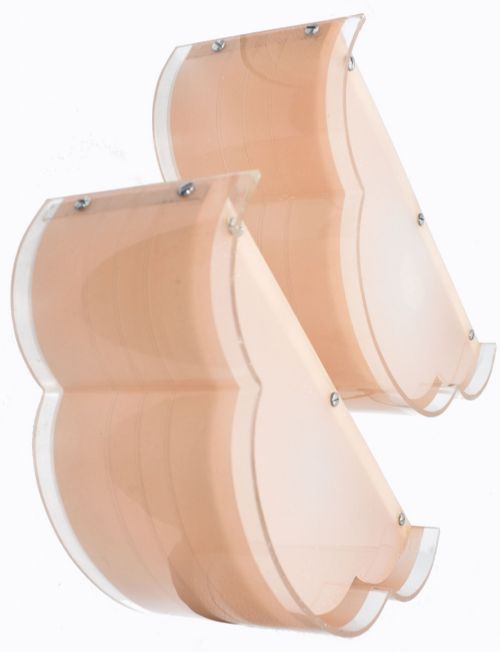


Pink Art Deco Light
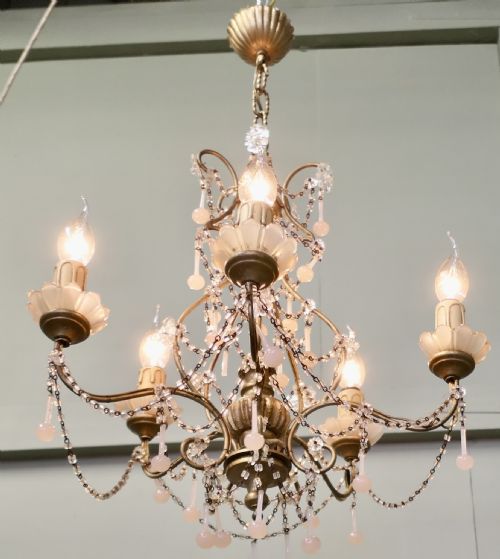
These pink art deco light fixtures bring sculptural form and coloured glass into a room, offering the distinct geometries of the interwar period.
Pink Art Deco Light
A pink art deco light encompasses everything from multi-branched chandeliers and wall sconces to compact table lamps and perfume burners. The pieces date from the 1920 and 1930 periods, showing the characteristic silhouettes of Venetian, French, and general European design.
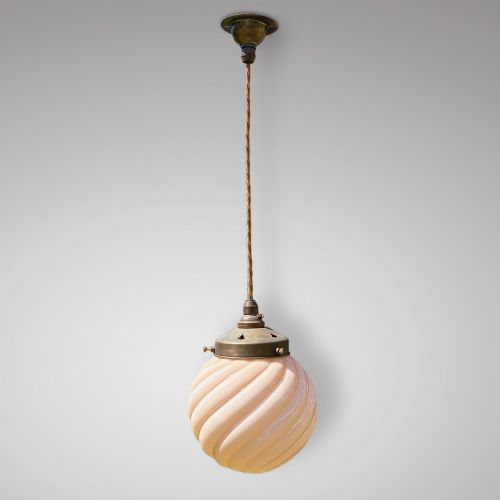
Table lamps and pendant lights dominate the selection, often pairing tinted glass shades with metal components. Buyers will frequently encounter clamshell shades, cloud-shaped sconces, and opaline glass fixtures designed for domestic illumination.
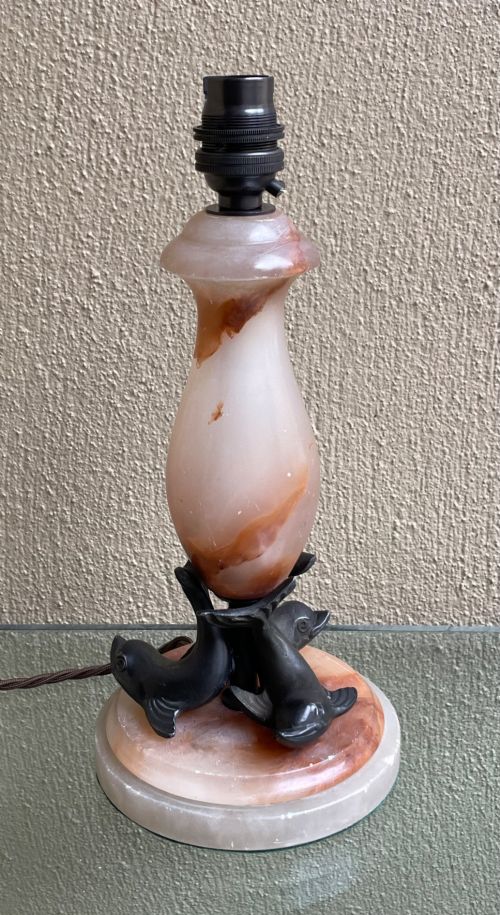
The aesthetic relies on symmetry, stepped tiers, and figurative elements such as dolphins and elephants. These items served as functional furnishings that doubled as decorative focal points in interwar interiors.
How They Were Made
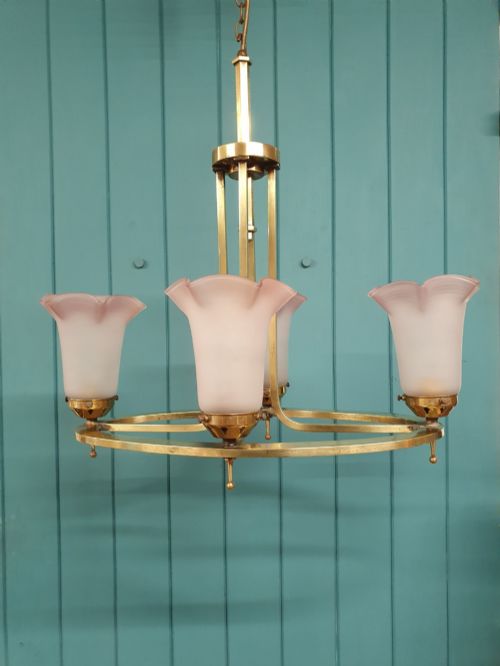
Glass is the defining material here, shaped into frosted, opaline, peach, and pink variants to diffuse light softly. Makers worked pressed and moulded glass into complex geometries like clamshells and Odeon tiers.
Metalwork provides the structural support, utilising brass, chrome, and silvered wood frames. Spelter, marble, and alabaster also appear frequently as heavy bases and sculptural figures, grounding the delicate glass components.
The listings combine 1920 and 1930 pieces, uniting chrome and brass frames with pressed pink glass and carved marble.
What Varies in Quality
Quality rests in the crispness of the glass moulding and the weight of the supporting materials. Heavier bases of marble, alabaster, or cast spelter indicate sturdier construction than thin stamped metals.
The subtlety of the pink glass coloration and the integration of decorative details, such as carved wood frames or complex multi-branch configurations, separate standard commercial pieces from finer examples.
Argilor Paris·Walther and Sohne
The Pink Art Deco Light Glossary
- Opaline glass
- A milky, semi-translucent glass that diffuses light evenly without harsh glare. It was frequently utilised for 1920s pendant lights.
- Spelter
- A zinc alloy commonly cast into decorative figures and patinated to resemble bronze or other metals. It is often found supporting lamp shades in French pieces.
- Girandole
- An ornamental branched wall light or candelabrum that incorporates a mirror to reflect illumination. The mirrored glass amplifies the glow within the room.
- Alabaster
- A fine-grained, translucent stone carved into smooth, glowing bases and shades. Its natural veining ensures that every lamp body is unique.
Pink Art Deco Light: Frequently Asked Questions
What rooms suit a pink art deco light?
These fixtures fit well in hallways, dining spaces, and sitting rooms where ambient lighting is desired. Their distinct coloured glass brings warmth and interwar character to contemporary or traditional interiors.
Smaller table lamps sit comfortably on sideboards or desks, while multi-branch chandeliers demand central placement in rooms with adequate ceiling clearance.
How do I identify a 1920 piece from a 1930 piece?
Pieces from the 1920 period often display elaborate figurative elements, organic motifs like clouds, and rich Venetian glass work. The designs lean toward theatrical presentation and softer curves.
By contrast, 1930 items frequently incorporate streamlined chrome, geometric stepped tiers, and utilitarian carriage or dining lamps. The focus shifts toward industrial modernity and functional metalwork.
How were these lights originally wired?
Interwar electrical standards differed significantly from modern regulations, utilising older braided silk flex and different pin configurations. Most surviving pieces have been rewired for contemporary safety standards.
Buyers should inspect the internal wiring of any antique lamp to ensure compatibility with modern domestic sockets and current electrical testing codes.
Are the glass shades fragile?
Moulded and pressed glass components from this era require careful handling during cleaning and relocation. The peach, pink, and opaline shades are often specific to their original fixtures and difficult to replace if damaged.
Maintenance involves gentle dusting with a soft cloth and avoiding abrasive cleaners that might harm the surface texture of frosted or tinted glass.