

Pine Wooden Dresser
These pine wooden dresser pieces span sturdy kitchen workhorses and bedroom storage, bringing enduring utility and warm country character to any interior.
Pine Wooden Dresser
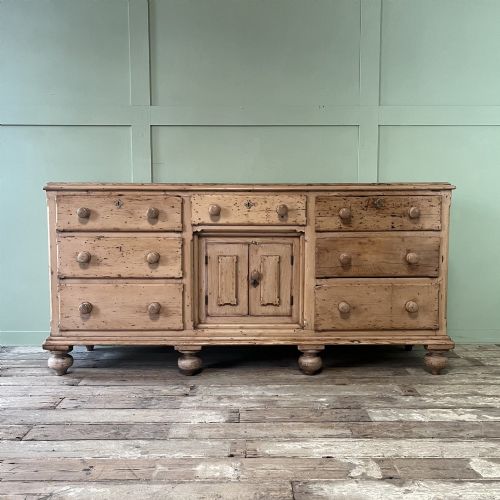
When you search for a pine wooden dresser, you encounter a practical domestic form that encompasses both open-topped kitchen display units and solid timber drawer bases. These pieces emerge predominantly from the nineteenth century, reflecting the robust utility valued in period homes.
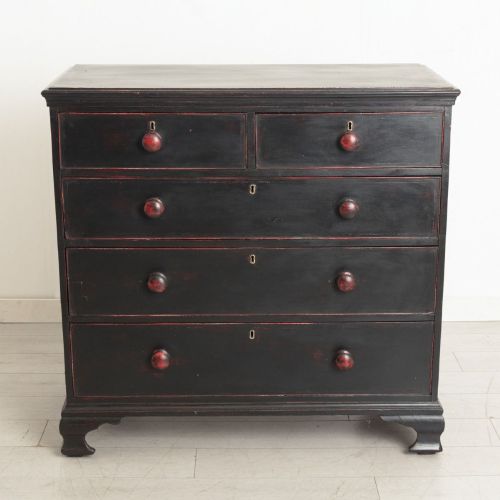
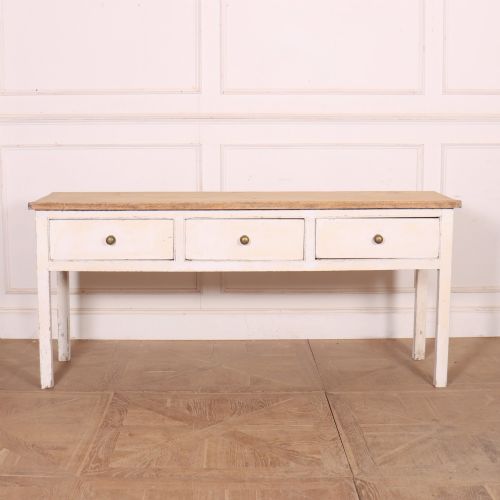
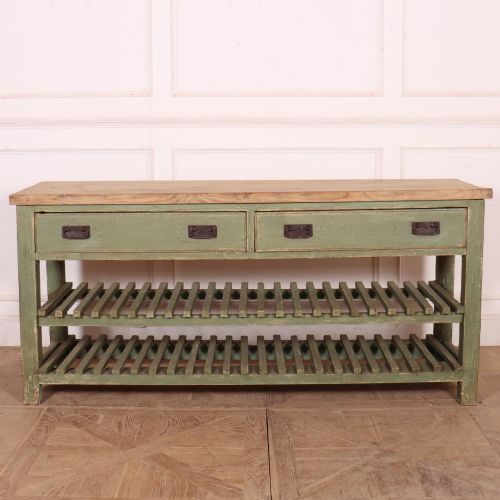
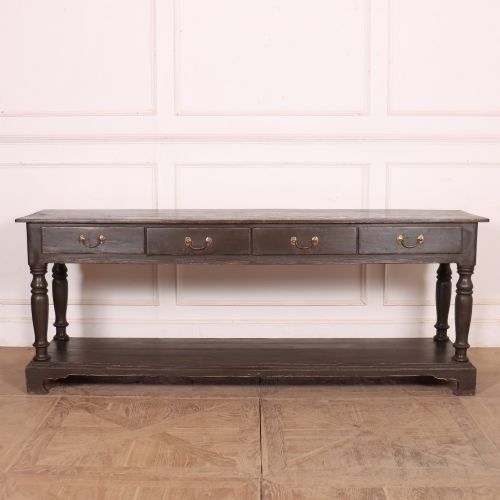
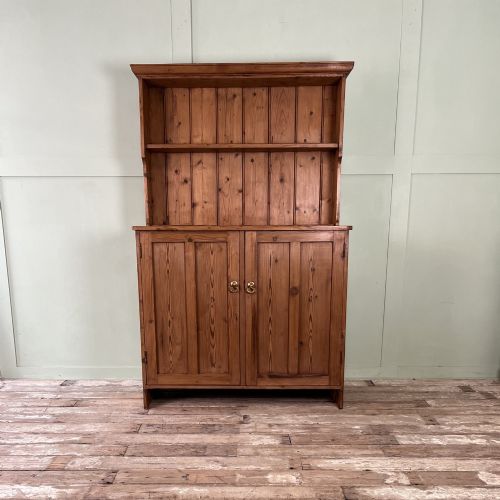
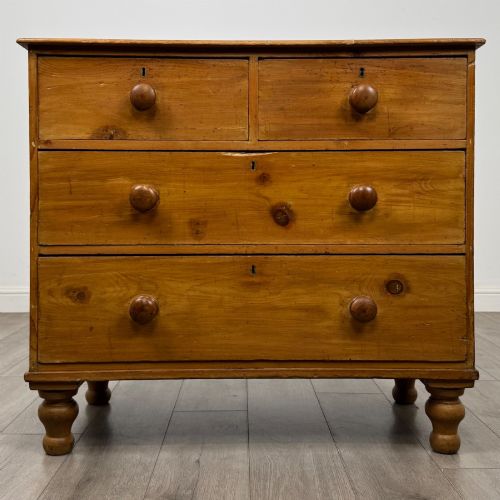
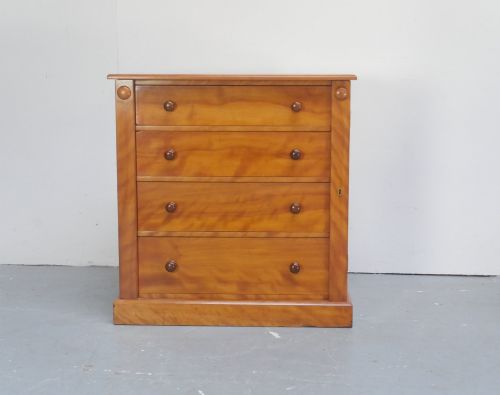
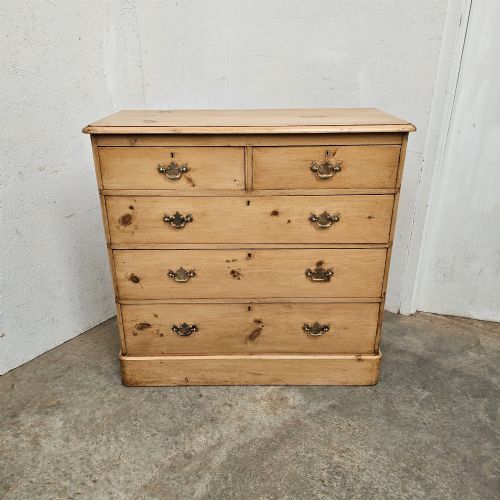
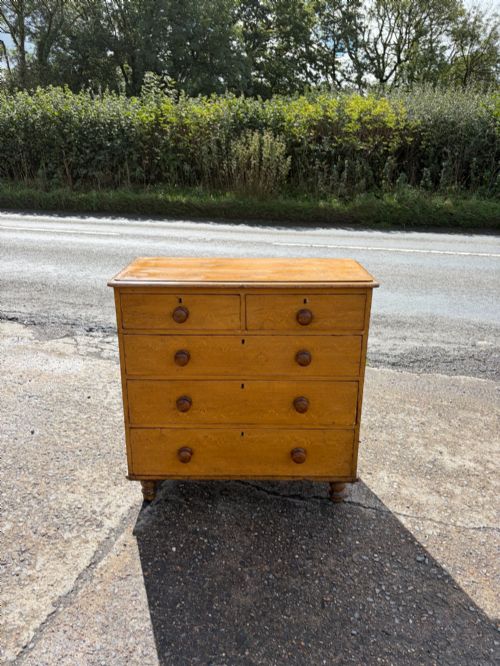
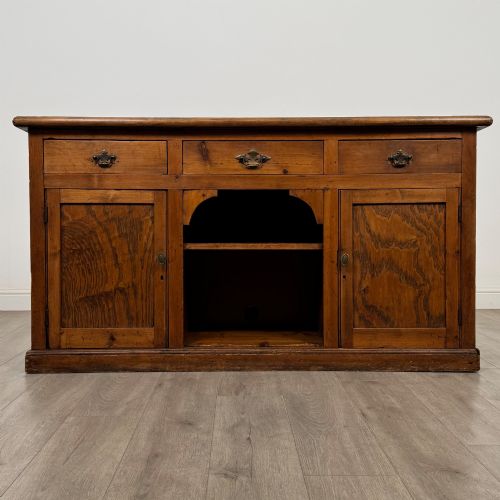
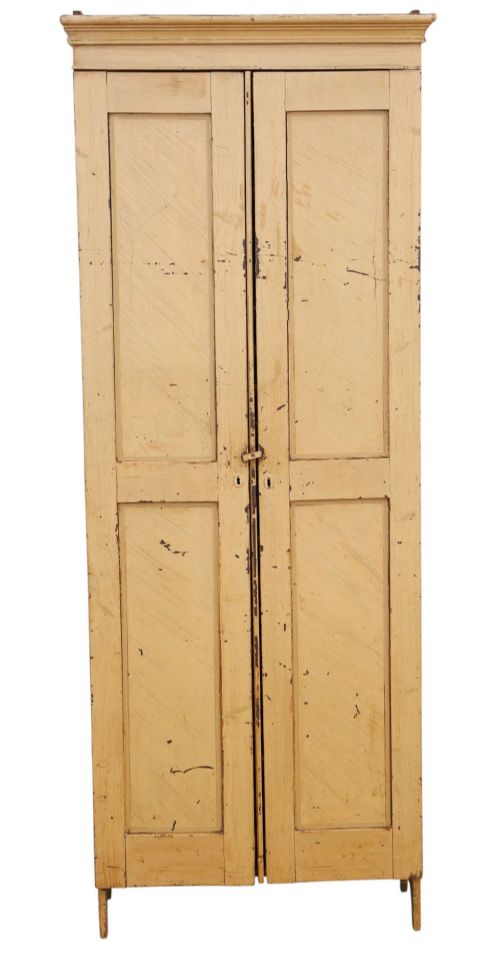
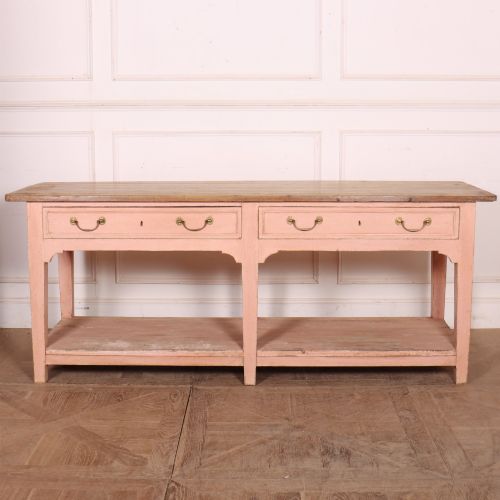
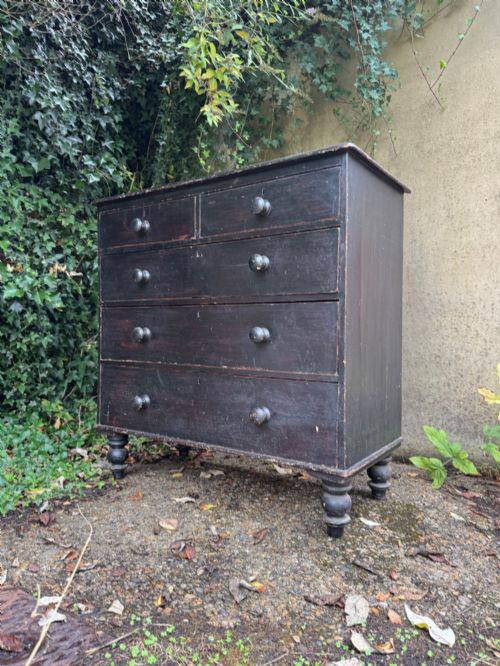
The selection ranges from tall Welsh and English kitchen dressers complete with plate racks to low painted potboard bases and multi-drawer bedroom chests. Regional variations appear from Scotland, Ireland, and Wales alongside continental examples from France.
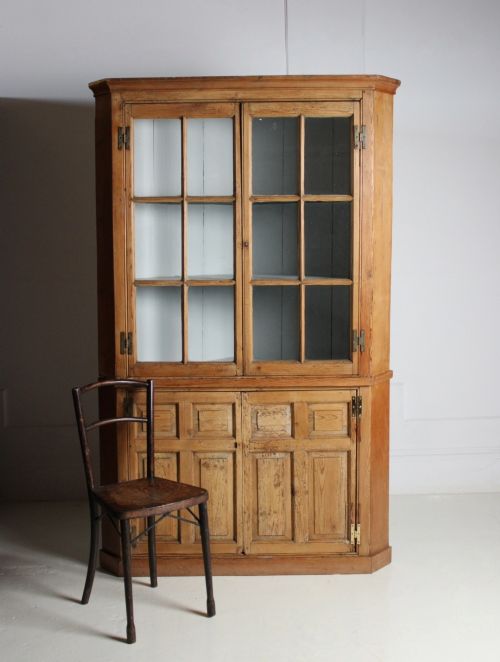
Kitchen dressers provide open shelving or glazed upper cupboards paired with drawers and lower cabinets, whilst related bedroom pieces focus on horizontal storage configurations. Each variant serves a distinct domestic function rooted in nineteenth-century farmhouse and country living.
Materials and Construction
Craftsmen built these items primarily from solid pine and pitch pine, occasionally applying lead paint, coloured washes, or protective wax finishes to the timber. Metal hardware such as brass pulls, iron hinges, and glass panels feature on glazed doors and drawers.
Construction techniques involve traditional joinery methods suited to utilitarian furniture, utilising turned legs, panelled doors, and dovetail joints for drawer construction. Many larger pieces, particularly linen presses and two-part cupboards, were constructed in modular sections to ease transportation.
Some chests arrive with diamond-point commode fronts, proving that even humble pine enjoys a touch of geometry.
Assessing Quality and Character
Quality rests in the survival of original surface treatments, where untouched painted finishes and authentic period graining command greater interest than stripped timber. The integrity of the original construction, including unaltered timber boards and period brass or wooden hardware, defines the standard.
Proportion and scale dictate the visual success of the piece, with narrower proportions and balanced drawer arrangements demonstrating superior cabinet-making. Traces of regional vernacular design add depth, distinguishing standard workshop production from distinctive local commissions.
Howard and Sons
The Pine Wooden Dresser Glossary
- Potboard dresser base
- A kitchen base unit featuring an open lower shelf traditionally used for storing pots and heavy kitchenware.
- Plate rack
- An upper wooden shelving structure fitted with vertical slats or grooves designed to display plates upright.
- Original graining
- A decorative surface treatment applied by nineteenth-century painters to imitate the figure of more expensive exotic hardwoods.
- Dovetail joint
- A traditional interlocking corner joint formed by triangular pins and tails that provides strong, enduring tensile strength in drawer construction.
Pine Wooden Dresser: Frequently Asked Questions
What is a pine wooden dresser?
A pine wooden dresser is a utilitarian storage item traditionally used in domestic kitchens and dining rooms for food preparation and tableware storage.
These pieces typically combine lower drawers or cupboards with upper shelving or plate racks, fashioned from softwood timber.
How were these dressers used historically?
In nineteenth-century homes, kitchen dressers functioned as the central hub for storing daily ceramics, linens, and culinary supplies.
The open top displayed best tableware while the enclosed lower sections concealed heavy pots and dry goods.
How do I care for a waxed pine finish?
Maintain waxed pine surfaces by periodically applying a clear beeswax polish to nourish the dry timber and protect against moisture.
Avoid placing antique wooden furniture near direct heat sources to prevent the timber from warping or splitting.
How can I tell a Victorian dresser from an earlier piece?
Victorian pieces often display machine-sawn timber components and standardised hardware, whereas eighteenth-century examples exhibit entirely hand-hewn boards and simpler forged iron fittings.
Construction marks and regional stylistic traits help establish the manufacturing decade.