

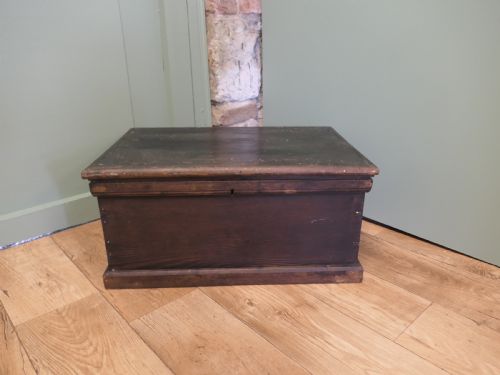
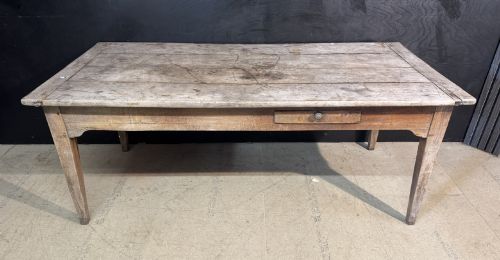
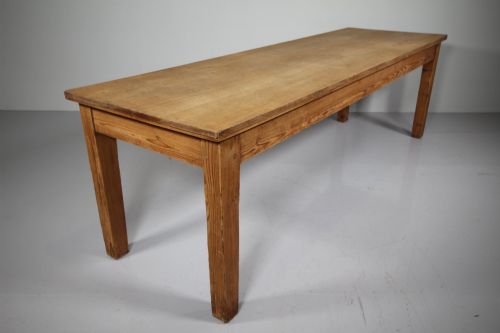

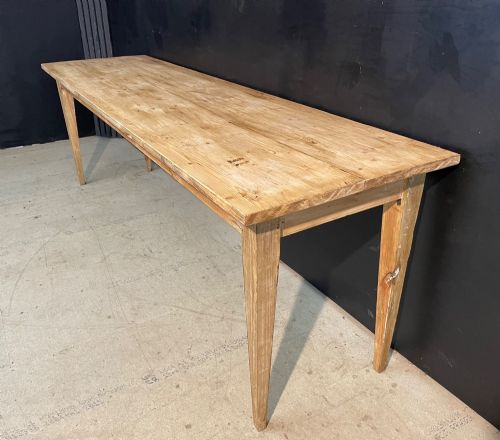
Pine Wood Table
A pine wood table brings warmth and honest utility to a room, ranging from scrubbed kitchen surfaces to painted Swedish country boards.
Pine Wood Table
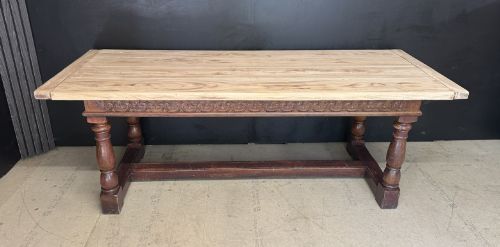
A pine wood table encompasses everything from large 18th-century English and Welsh dining boards to French laundry tables and compact Swedish kitchen pieces. These surfaces were built for daily domestic work, farmhouse preparation, and communal family dining rather than formal parlour display.
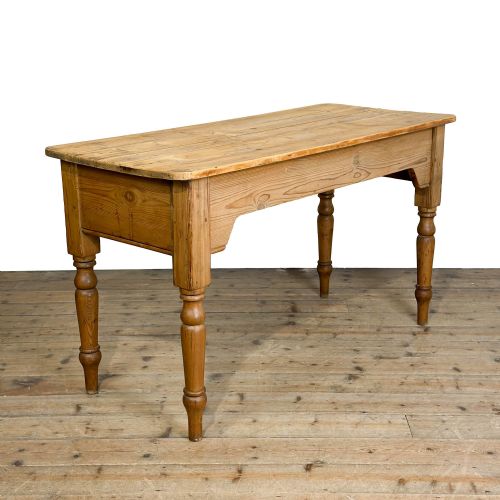
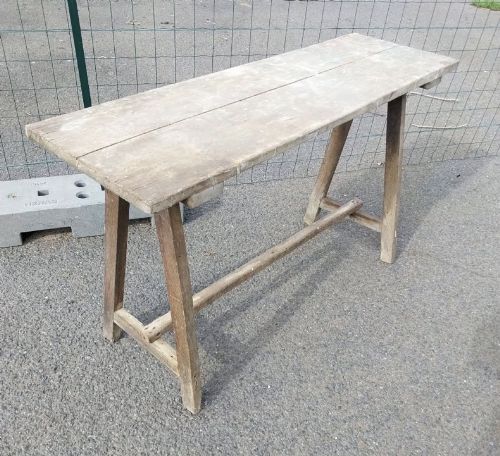
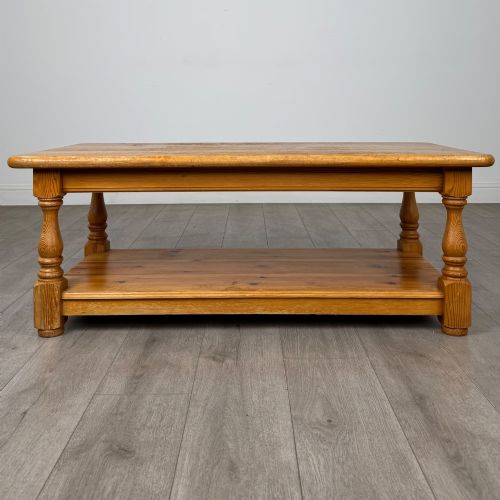
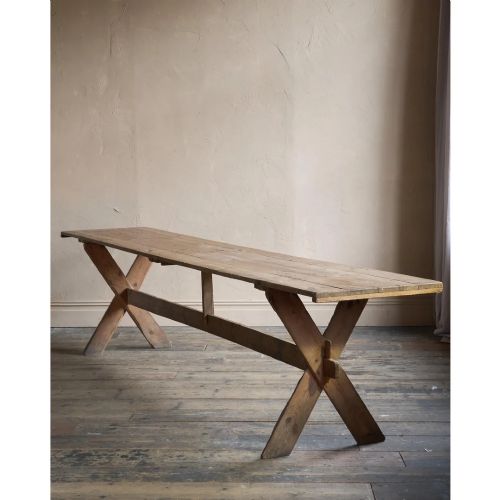
The most common examples on this page date from the 19th century and the Edwardian period, often taking the form of scrub-top kitchen tables, trestle designs, or turned-leg coffee tables. Many retain traces of their working past, including marked tops and remnants of old paint finishes.
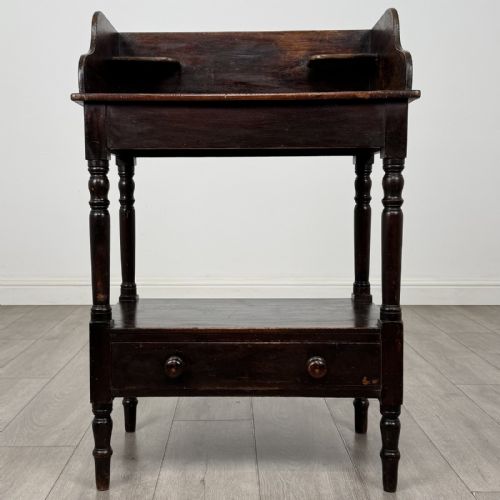
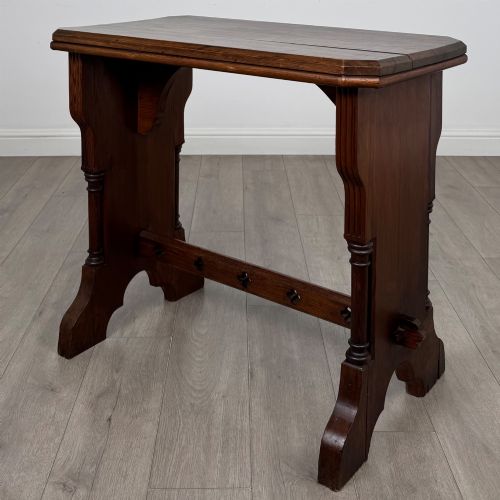
Regional variations span English country furniture, French provincial forms, and Scandinavian country pieces, each displaying distinct structural proportions and leg turnings. While many function as dining or kitchen tables, smaller variants appear as side tables, console tables, and occasional pieces.
Materials and construction methods
Construction relies heavily on solid timber boards joined to sturdy framing, utilising native pine alongside pitch pine and occasional oak elements for plank tops. Carpenters shaped these pieces using hand tools, straightforward mortise and tenon joinery, and turned wooden legs.
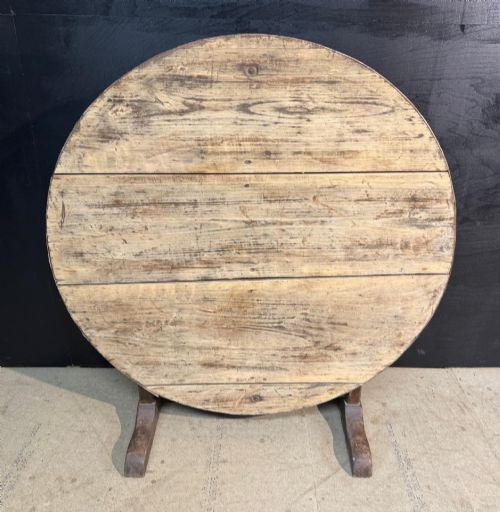
Surfaces were frequently left bare to be repeatedly scrubbed with soap and water, resulting in a pale, weathered patina over decades of use. Alternatively, pieces received traditional coatings such as Swedish Falu paint, simple wax finishes, or pale grey paint layers.
Hardware details involve iron brackets, brass fittings, and structural pegs that secure the timber joints without relying on modern adhesives. Secondary woods such as ash or oak occasionally appear in structural frames, drawer linings, or joined table bases.
Pine Wood Table Retail Price Guide 2026
Typical asking prices for pine wood table among the pieces listed under this phrase on Sellingantiques today, from the lower quarter to the upper quarter. They describe what is for sale here now, not the wider market.
Listings feature 19th-century pine alongside 18th-century examples, incorporating oak, brass, iron, and painted wood components across diverse regional styles.
Assessing quality and character
Quality rests in the integrity of the timber, the thickness of the top boards, and the honesty of the construction rather than applied ornament. Superior examples feature well-seasoned planks that have aged gracefully without excessive warping or structural compromise in the frame.
The distinction between ordinary utility items and finer pieces often lies in the elegance of the leg turnings, the balance of proportions, and the survival of an untouched, original surface finish. Alterations such as reduced heights or replaced boards noticeably alter the historical standing of a table.
The Pine Wood Table Glossary
- Scrub top
- A bare wooden table surface designed to withstand frequent washing with water and abrasive brushes. This finish creates a pale, textured grain over many years of domestic labour.
- Trestle table
- A format consisting of two or more support frames connected by a horizontal beam holding a long plank top. This design allows for maximum legroom along the length of the seating area.
- Gateleg table
- A drop-leaf table featuring hinged flaps supported by swing-out legs that resemble a opening gate. It provides flexible surface area for smaller rooms.
- Pitch pine
- A durable softwood timber derived from specific pine species, known for its high resin content and prominent growth rings. It offers greater hardness and resistance to wear than standard softwoods.
- Falu paint
- A traditional deep red or earth-toned matte paint used extensively in Scandinavia for timber preservation. It contains copper tailings from Swedish mines, which help protect the wood.
Pine Wood Table: Frequently Asked Questions
How do I clean an antique pine table?
Clean the surface gently using a damp cloth with mild soap, avoiding harsh chemical sprays that can strip the historic wax or dry out the timber.
Allow the wood to air dry naturally and occasionally apply a neutral beeswax to nourish the grain and protect against moisture.
Can I use a kitchen table for daily dining?
These tables were originally built for heavy daily use, food preparation, and family gatherings, making them exceptionally practical for modern dining rooms and kitchens.
Using mats and coasters helps protect the historic surface from hot dishes and liquid rings while you enjoy everyday meals.
What is the difference between English and Swedish pine tables?
English country tables often feature turned legs, scrubbed tops, and darker wax finishes reflecting domestic farmhouse traditions. Swedish examples frequently display painted surfaces, lighter bleached pine tones, or trestle bases characteristic of Nordic interiors.
Both styles prioritize functional utility, but their visual presentation reflects the distinct decorative habits of their regions of origin.
How do I date an old pine table?
Dating relies on examining the construction marks, tool traces, joinery methods, and the natural oxidation of the timber over time. Hand-sawn boards, square-headed nails, and structural wear patterns all point towards 19th-century or earlier craftsmanship.
Comparing the turned leg style and overall proportions to documented regional furniture types helps narrow down the period of manufacture.