



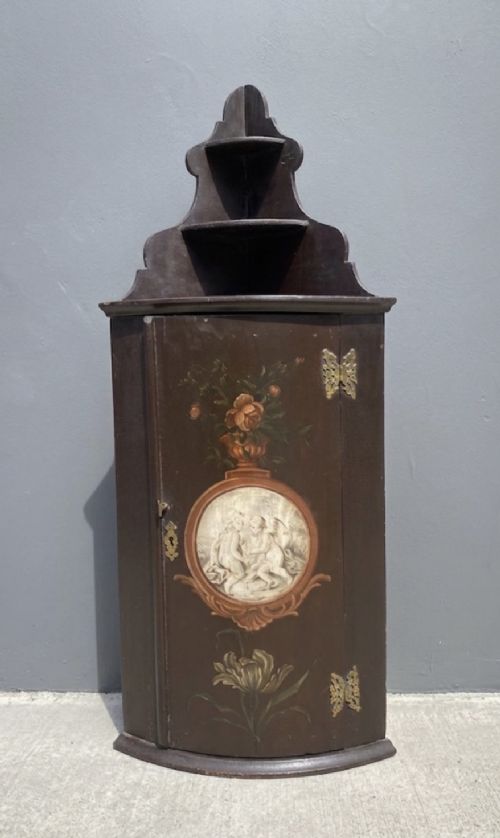


Pine Wall Shelf Unit
These pine wall shelf unit pieces are practical storage pieces built from timber that suit everyday interiors.
Pine Wall Shelf Unit
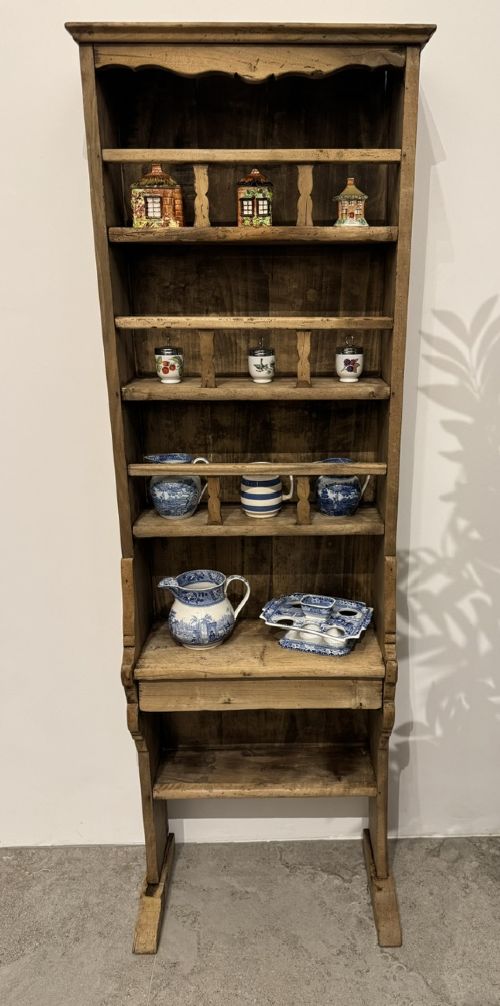
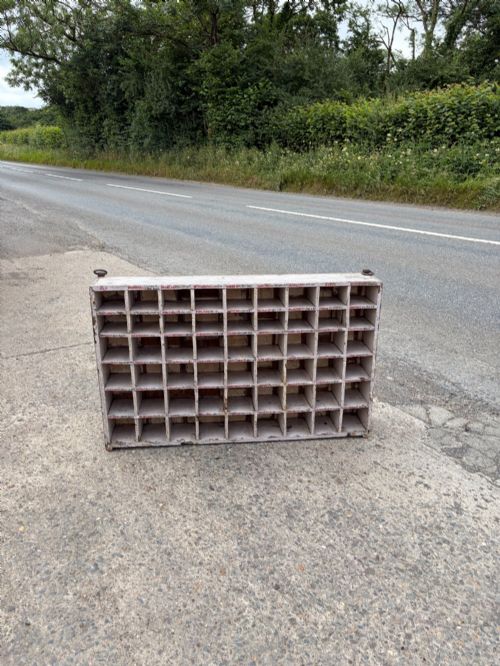
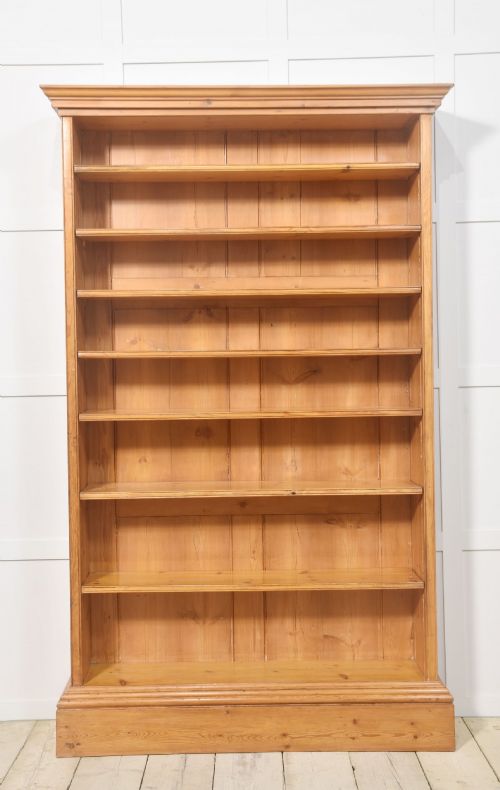
A pine wall shelf unit brings timber storage to a room through open shelving, enclosed cupboards or pigeon holes. The pieces listed here span the eighteenth century, nineteenth century and early twentieth century.
Most examples come in simple domestic forms such as wall shelves, open bookcases, corner cupboards and alcove shelving. These objects serve utility in kitchens, studies and living spaces.
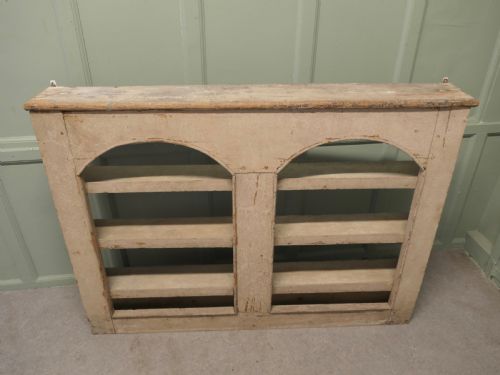
The styles range from English and French country to Victorian country, industrial and folk art. Buyers encounter both natural timber surfaces and painted finishes, including distemper paint.
How they were made
Makers utilised pine as the primary timber, sometimes complemented by secondary woods and structural iron or brass hardware. The construction relies on traditional joinery suited to domestic furniture.
Surfaces frequently show hand painting, distemper paint or plain wood finishes that reflect the period of manufacture. These techniques produce practical furniture designed for long-term daily use.
Pine Wall Shelf Unit Retail Price Guide 2026
Typical asking prices for pine wall shelf unit among the pieces listed under this phrase on Sellingantiques today, from the lower quarter to the upper quarter. They describe what is for sale here now, not the wider market.
Listings span the 18th century through to 1930, featuring pine, painted wood, iron and brass across wall shelves, bookcases and pigeon holes.
What varies in quality
Quality rests on the depth of the timber and the integrity of the original construction rather than surface decoration alone. Pieces featuring early painted finishes or integrated cupboards often command greater interest.
Proportion and utility define the better examples, where shelving depth and upright support match the intended function. Plain utilitarian forms contrast with decorative hand-painted variants from later decades.
The Pine Wall Shelf Unit Glossary
- Pine
- A softwood commonly utilised for domestic furniture and shelving units across the eighteenth and nineteenth centuries.
- Distemper paint
- A water-based paint mixture bound with size or glue, frequently found on older country furniture.
- Pigeon holes
- Compartmentalised shelving units designed for sorting documents, mail or small items.
- Corner cupboard
- A cabinet or shelving unit built to fit directly into the angle of a room.
- Alcove shelving
- Fitted shelving arranged to occupy a recessed space within a wall.
Pine Wall Shelf Unit: Frequently Asked Questions
What periods do these shelves come from?
The pieces span the eighteenth century, the nineteenth century, the Victorian and Edwardian eras, and the early twentieth century.
Dates range from eighteenth-century country cupboards to early twentieth-century pigeon holes and painted wall shelves.
How were these wall units used?
They served practical storage roles in kitchens, shops and domestic rooms for books, crockery and documents.
Many incorporated cupboards or pigeon holes to keep contents organised and secure.
What materials are typically found?
Pine forms the primary structural timber across nearly all listed items.
Surfaces often feature distemper paint, hand painting, or plain wood, accompanied by brass or iron hardware.
Are these pieces always plain wood?
Many examples display natural pine, but a significant number feature decorative hand painting or distemper paint finishes.
Country and folk art pieces frequently utilise paint to protect and decorate the timber.