



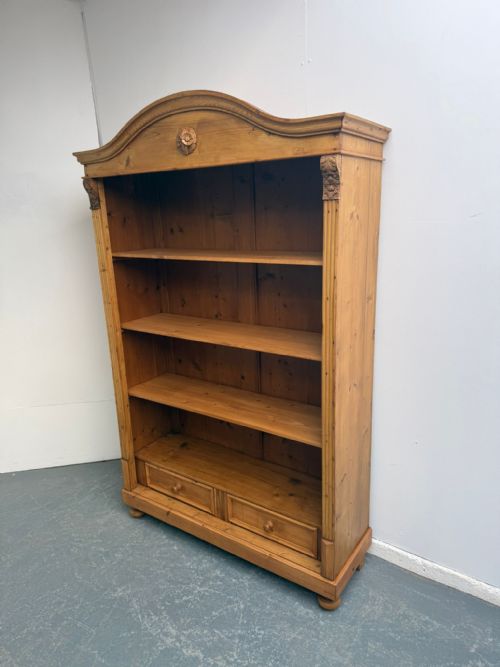
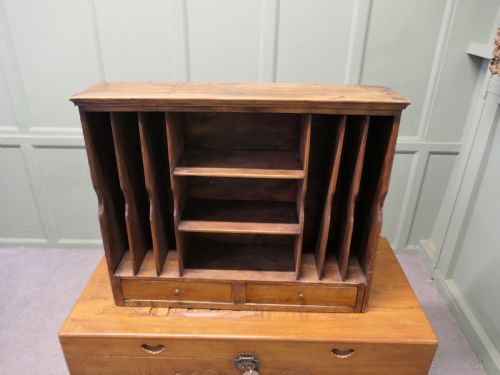
Pine Shelf Unit
Pine shelf unit pieces are practical storage pieces built from durable timber, offering straightforward utility and honest character for daily use.
Pine Shelf Unit
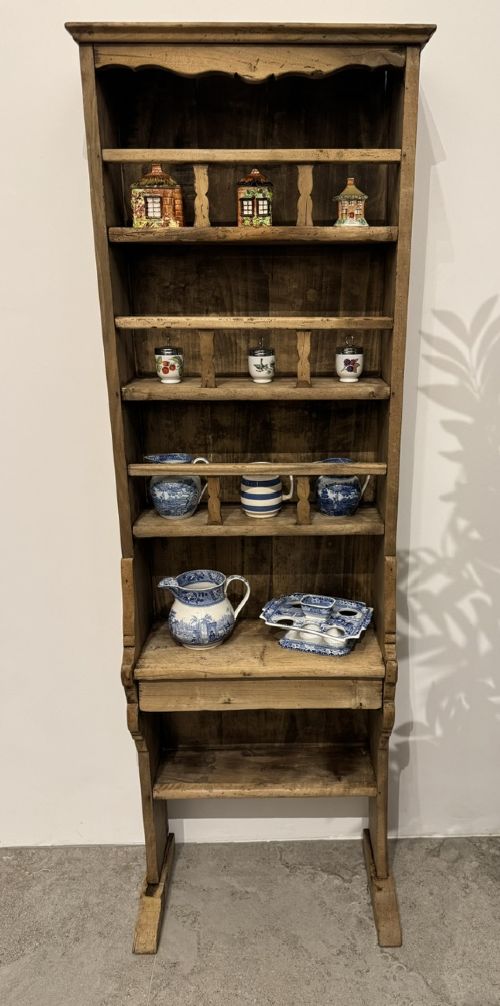
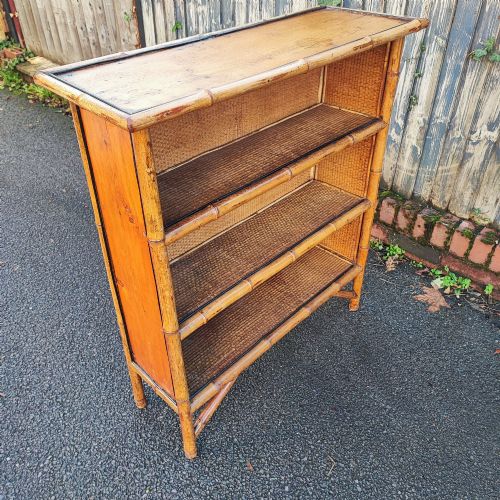
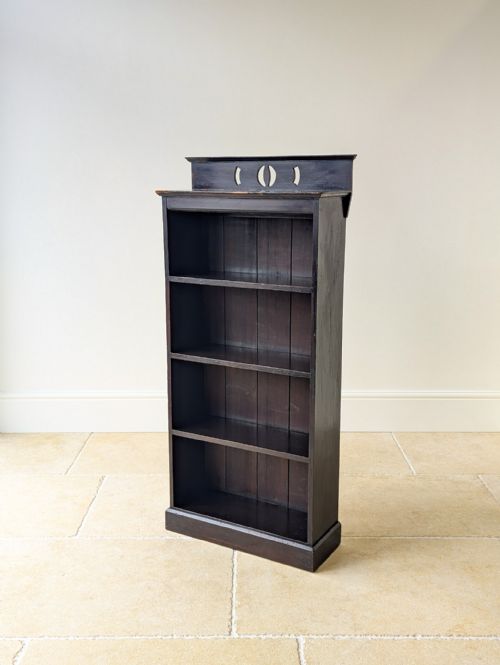
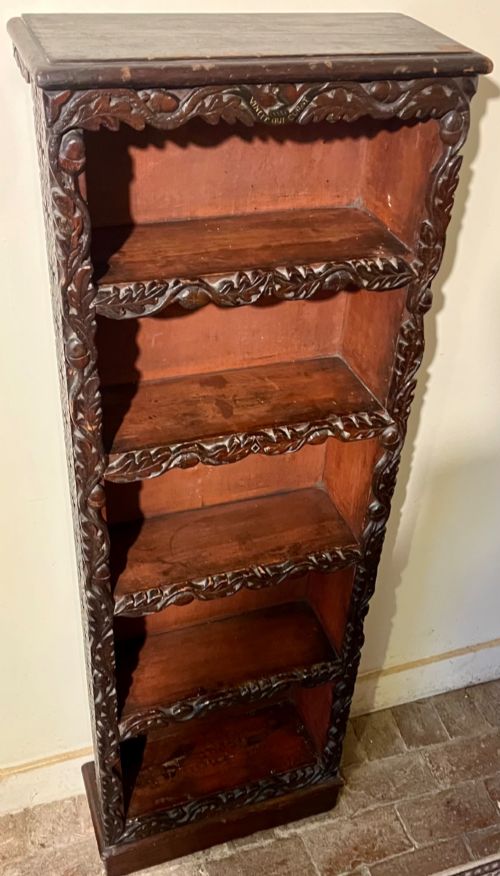
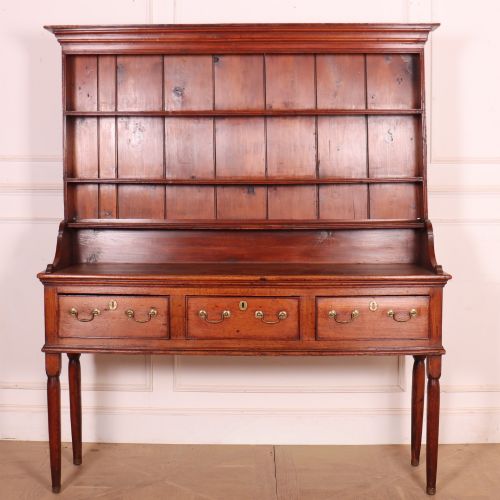
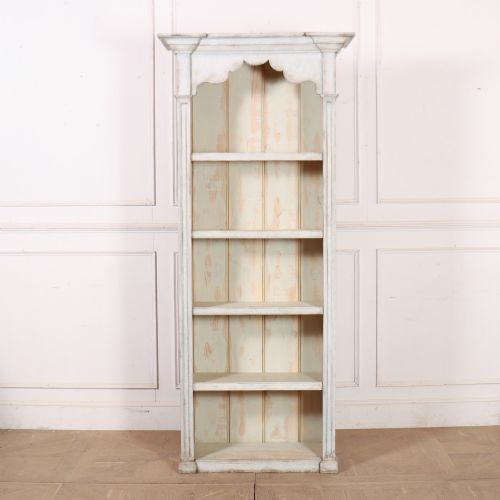
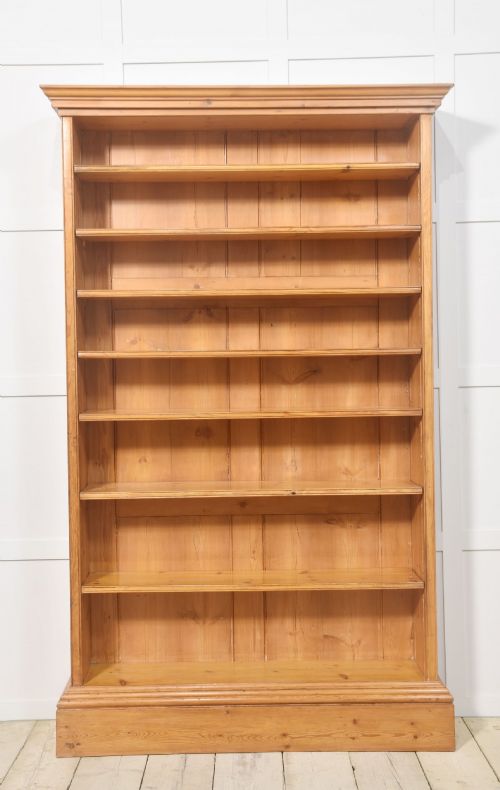
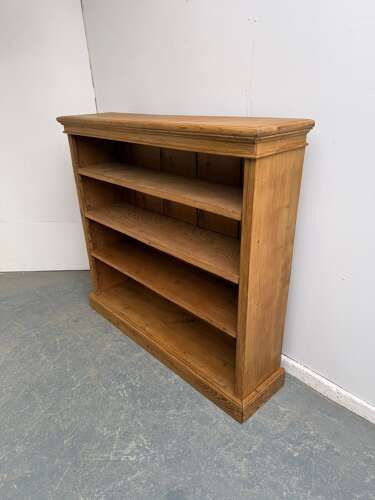
A pine shelf unit provides adaptable storage through various forms ranging from open bookcases and wall shelves to pigeon holes, corner cabinets, and dressers. These items serve everyday storage needs in kitchens, libraries, and living spaces.
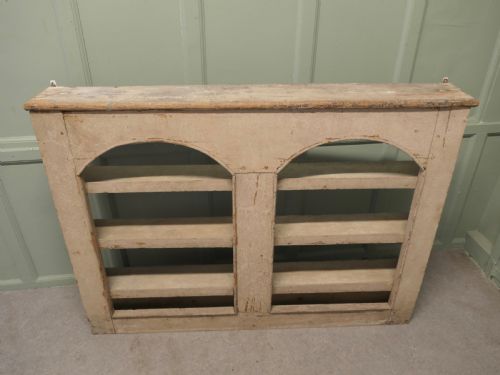
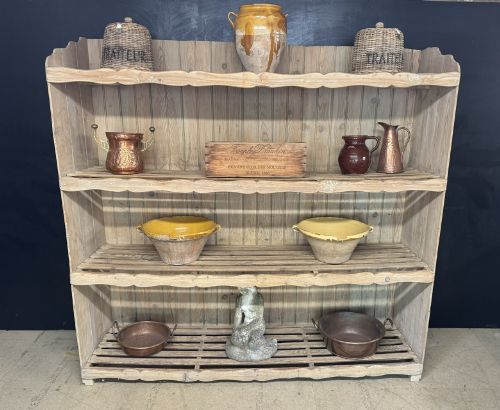
The pieces on this page span the 18th century, the Victorian era, and the early 20th century, encompassing English, French, and Swedish origins. Common formats include wall-mounted kitchen racks, baker's racks, and large open bookcases built from deal wood or pine.
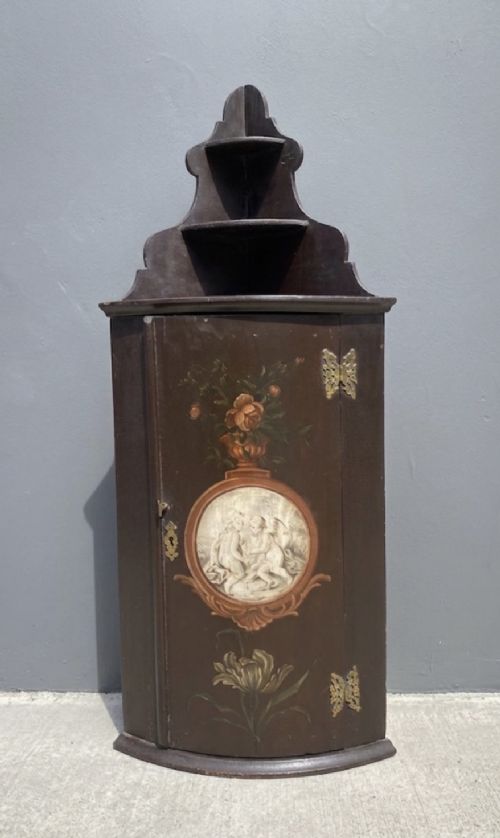
Country styles dominate the selection, including Victorian country, French provincial, and rustic country designs. Buyers often encounter simple pegged construction alongside decorative hand-painted finishes and functional adjustable shelving.
What varies in quality
Quality rests upon the integrity of the timber and the honesty of the construction, distinguishing straightforward utility items from more refined cabinet work. Original painted surfaces and early hardware elevate the character of a piece.
The degree of wear shows how a unit lived through its working life, whether in a French provincial kitchen or an English country shop. Proportion and the survival of original adjustable shelving mechanisms also mark the better examples.
Pine Shelf Unit Retail Price Guide 2026
Typical asking prices for pine shelf unit among the pieces listed under this phrase on Sellingantiques today, from the lower quarter to the upper quarter. They describe what is for sale here now, not the wider market.
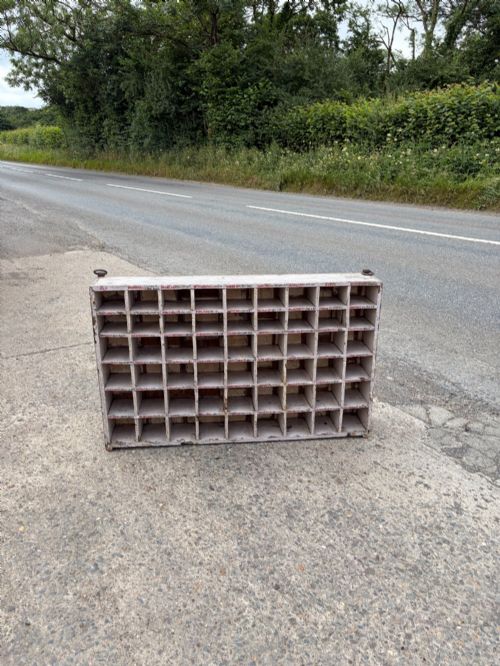
Post office filing shelves retain the industrious spirit of sorting endless Victorian mail.
The Pine Shelf Unit Glossary
- Deal wood
- A softwood timber derived from pine or fir, commonly used in the construction of 19th-century bookcases and utilitarian furniture. It provides a light, workable material for large furniture.
- Pigeon holes
- A grid of small compartments designed for sorting papers, letters, or small objects. These functional units appear in office and filing furniture from the 19th and early 20th centuries.
- Baker's rack
- A heavy-duty metal and wood shelving structure originally utilised in commercial baking and food preparation. These pieces now serve as sturdy open display shelving.
- Corner cabinet
- A storage unit specifically shaped to fit into the corner of a room, often featuring open shelves above and a closed cupboard below. They maximise spatial efficiency in smaller rooms.
Pine Shelf Unit: Frequently Asked Questions
How do I clean a painted pine shelf unit?
Wipe surfaces gently with a soft, slightly damp cloth to remove dust without harming old paint finishes. Avoid harsh chemical cleaners that can strip historic surfaces.
Dry the timber thoroughly afterwards to prevent moisture damage to the soft pine.
Can I adjust the shelves in these bookcases?
Certain Victorian and later bookcases feature adjustable shelf mechanisms using wooden supports or metal pins. This allows you to alter shelf heights for different book sizes.
Fixed shelves are more common in 18th-century pieces and simpler country furniture.
Where were pigeon hole cabinets used?
These compartmentalised units served administrative functions in post offices, offices, and large households for sorting mail and documents. Their utilitarian design makes them popular for desktop organisation today.
They appear in various sizes from the 19th and early 20th centuries.
What is the difference between deal wood and pine?
Deal is a historic term specifically applied to softwood timber cut from pine or fir trees. In furniture listings, deal wood generally refers to the sturdy utilitarian pine used for everyday carcases and shelving.
Both materials share the same soft, workable qualities characteristic of coniferous timbers.