

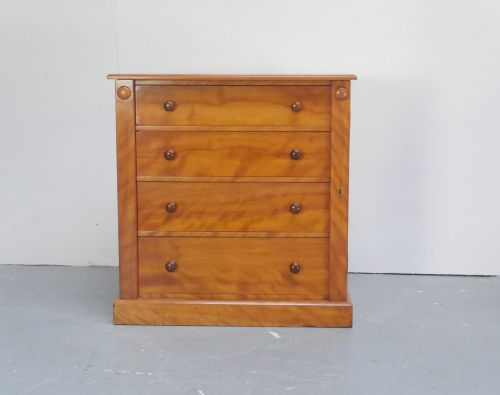
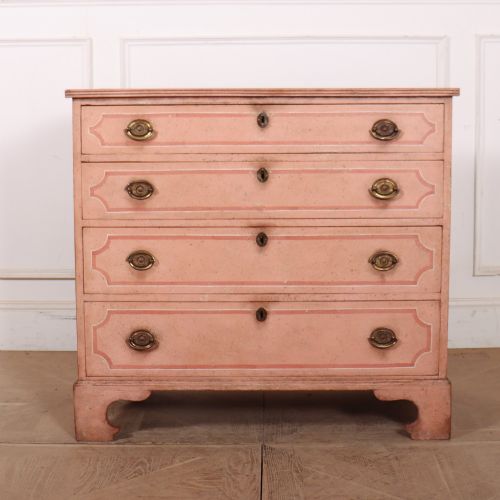
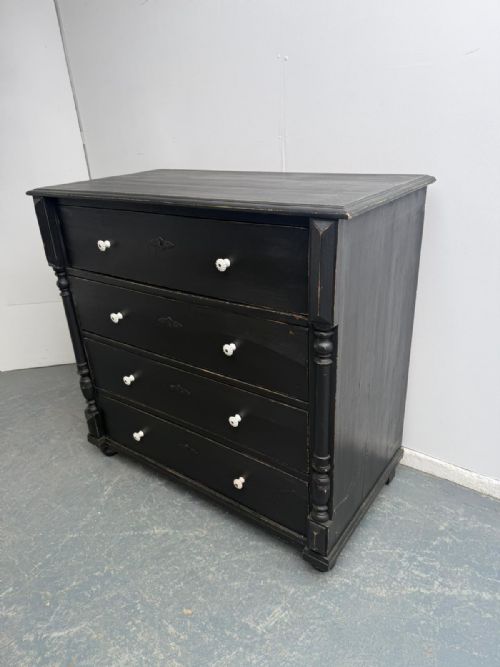
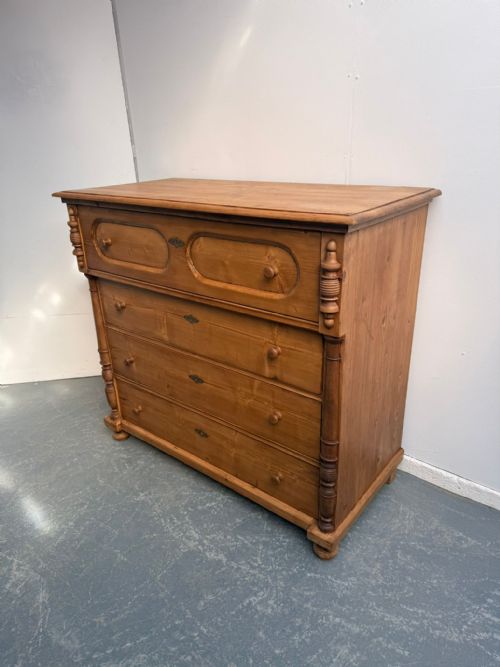
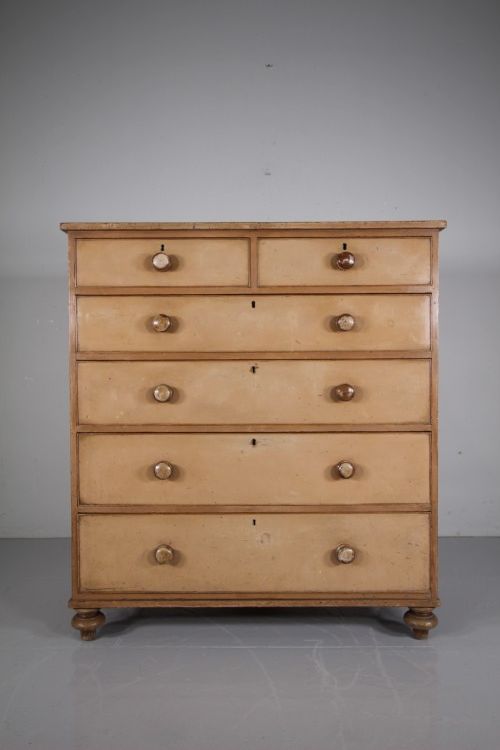
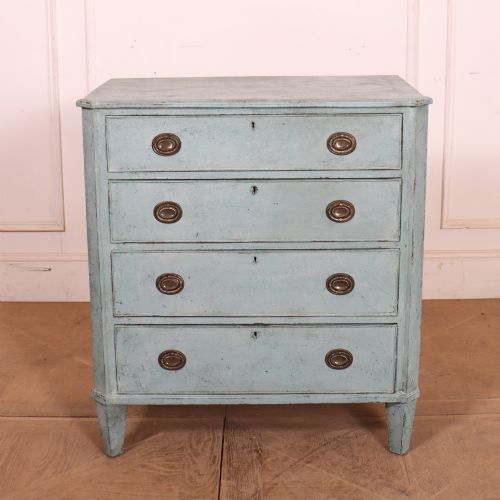


Pine Four Drawer
These pine four drawer chests and cabinets bring honest utility and character to a room, built from solid wood to serve hard daily use.
Pine Four Drawer
When you search for pine four drawer furniture, you encounter robust storage pieces spanning the eighteenth to the twentieth century. These items range from vernacular English country chests and dresser bases to Scandinavian painted commodes and bedside cabinets.
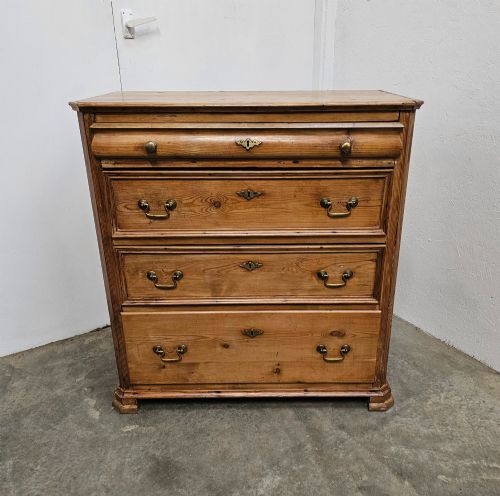
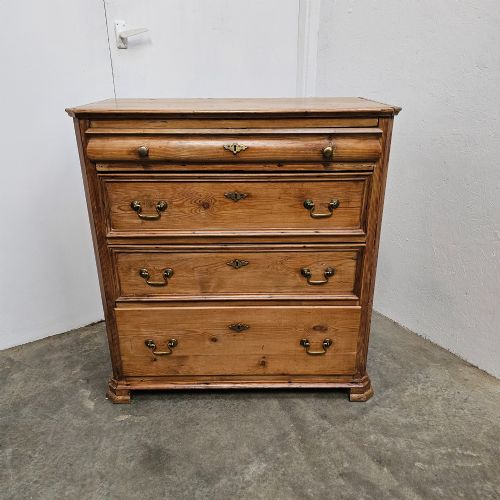
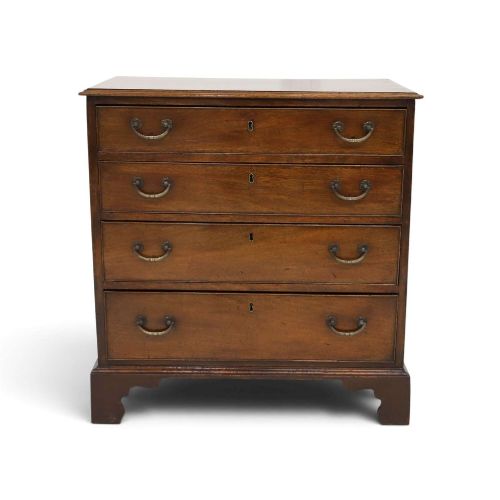
The most common form on this page is the traditional chest of drawers, often constructed with a rectangular top above four graduating horizontal drawers. Such pieces display regional variations, including Scottish proportions, Hungarian finishes, and sign written mercantile details.
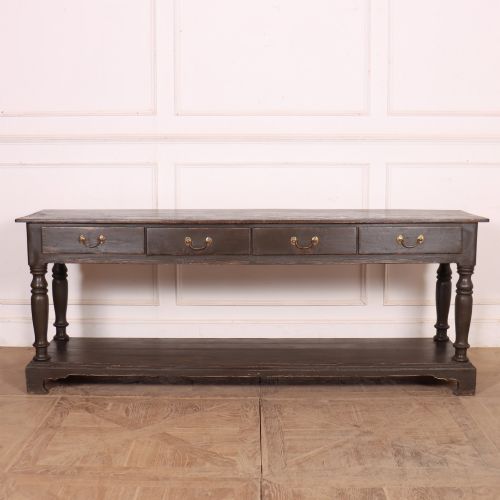
Beyond standard bedroom chests, the selection includes dresser bases, cupboards, and specialised units like apothecary or drapers drawers. These variants share a practical domestic or commercial origin, utilising softwood carcasses suited to painted or waxed surfaces.
How they were made
Cabinet makers constructed these pieces primarily using solid pine, occasionally combining it with secondary hardwoods like birch and ash for internal framing or specific stylistic elements. Joinery relied on traditional methods such as dovetailing for drawer construction and mortise and tenon joints for structural stability.
Surfaces were finished according to regional taste and domestic function, employing layered oil paint, distemper, or clear wax to protect the softwood. Hardware typically consisted of cast brass drop handles, knobs, or plain metal fittings attached directly to the drawer fronts.
Pine Four Drawer Retail Price Guide 2026
Typical asking prices for pine four drawer among the pieces listed under this phrase on Sellingantiques today, from the lower quarter to the upper quarter. They describe what is for sale here now, not the wider market.
Listings feature eighteenth, nineteenth, and early twentieth century periods, utilising pine, birch, ash, brass, and ceramic materials.
What varies in quality
The distinction between ordinary utility items and superior examples lies in the integrity of the original surfaces and the precision of the joinery. Pieces retaining untouched original paint or rich, patinated wax finishes command greater appreciation than those stripped bare or heavily restored.
Structural refinement also sets examples apart, seen in well proportioned drawers that run smoothly on their original runners and finely moulded cornices or galleries. Lesser pieces often show heavy utilitarian wear, crude alterations, or replaced hardware that obscures their original character.
Gemla Fabrikers
The Pine Four Drawer Glossary
- Potboard dresser base
- A heavy base cabinet featuring an open lower shelf used historically for storing pots and kitchenware. It forms a sturdy foundation for food preparation and display.
- Commode
- A low cabinet or chest of drawers, often possessing a more decorative continental European design than standard British chests. Swedish examples frequently feature pale painted finishes.
- Drapers drawers
- A bank of numerous small drawers originally utilised in mercer shops for organising ribbons, lace, and small textiles. These pieces offer exceptional compartmentalized storage.
- Gallery
- A raised wooden border or upstand running along the back and sides of a chest top. This feature prevents items from sliding off the surface.
- Sign written
- Text hand painted onto the timber surface, denoting the original commercial owner, merchant, or agricultural supplier. It provides a direct link to the piece's working history.
Pine Four Drawer: Frequently Asked Questions
How do I clean a waxed pine chest?
Dust the surface regularly with a dry, soft cloth to prevent grit accumulation. Apply a quality natural beeswax sparingly with a clean cloth and buff gently to maintain the soft sheen.
Avoid using water, modern silicone sprays, or harsh chemical cleaners, as these strip the aged patina and damage the softwood timber underneath.
Are these drawers suitable for daily use?
These pieces were originally built for heavy domestic service and remain exceptionally sturdy. Solid pine construction and traditional dovetail joints allow them to handle modern clothing storage with ease.
Ensure drawers are pulled evenly from the centre to prevent binding, and check that internal runners remain clean and lightly waxed.
How do I date an antique pine chest?
Examine the construction methods visible inside the drawers and at the back of the carcass. Hand cut dovetails, uneven plank widths, and hand forged iron or brass hardware generally indicate eighteenth or nineteenth century origin.
Machine sawn timber, standardised screws, and modern adhesives typically point towards later nineteenth or twentieth century manufacture.
Should I strip painted pine?
Original or early paint finishes carry significant historical value and visual charm. Stripping these surfaces removes the accumulated character and patina built up over decades of use.
Consider preserving the existing paintwork unless it is flaking actively or has been applied over clean timber in recent decades.