

Pine Bedroom Storage Chest
A pine bedroom storage chest provides sturdy utility, taking practical form in Victorian, Edwardian and Georgian designs.
Pine Bedroom Storage Chest
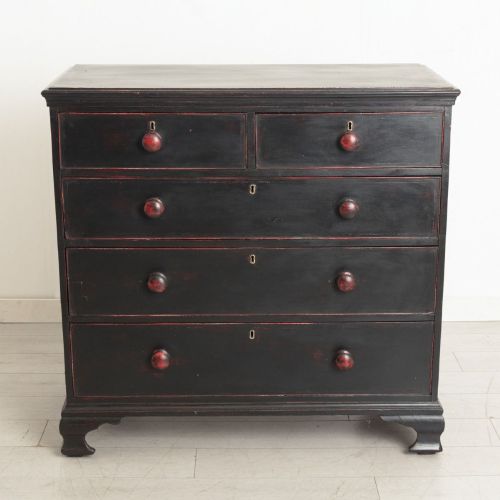
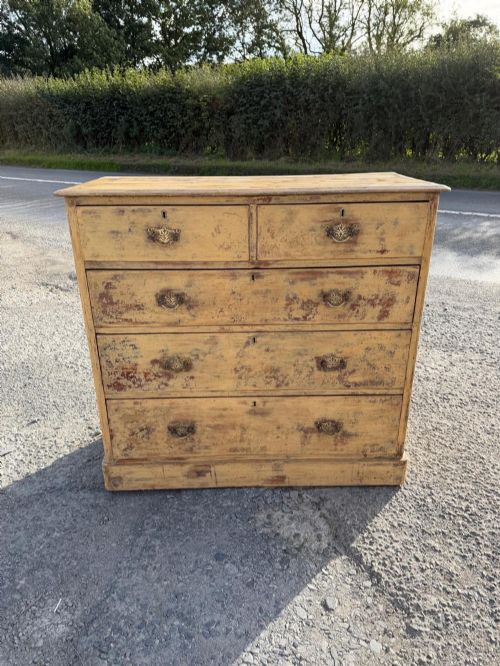
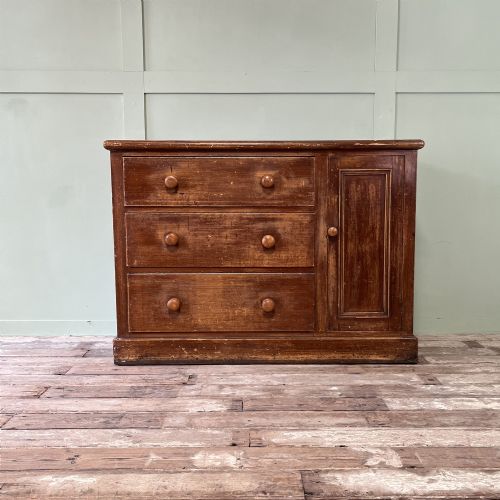
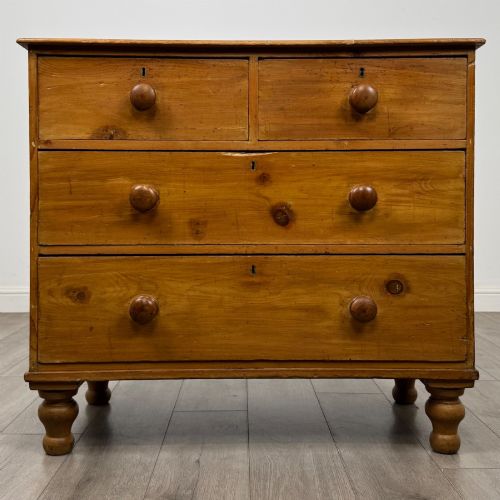
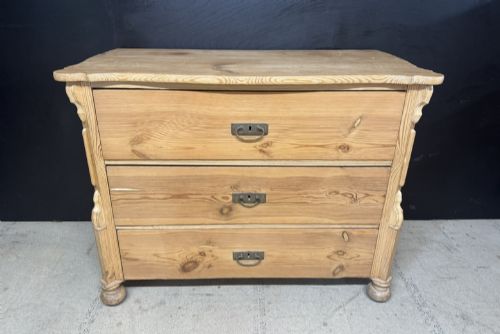
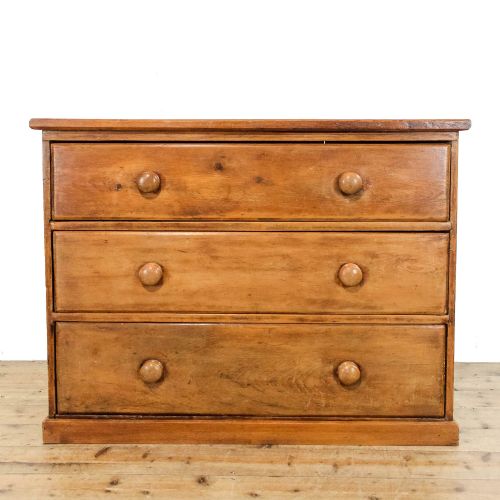
A pine bedroom storage chest serves as a robust home for garments and linens, emerging frequently from Victorian, Edwardian and Georgian eras. You will encounter pieces ranging from compact three-drawer models to wide six-drawer configurations designed for heavy domestic use.
The selections span English, French, Irish and Hungarian origins, encompassing rustic country workshops and urban settings alike. Many pieces take the familiar form of chests of drawers, while others appear as dressers, chifferobes or dressing tables.
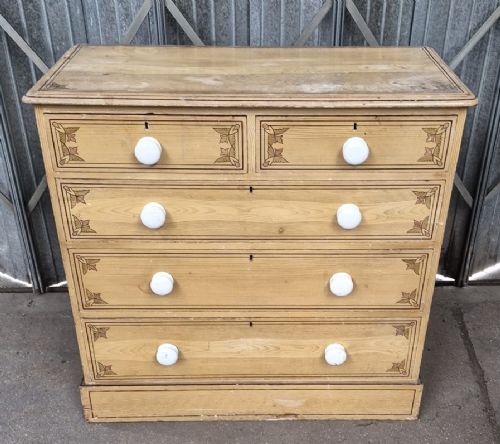
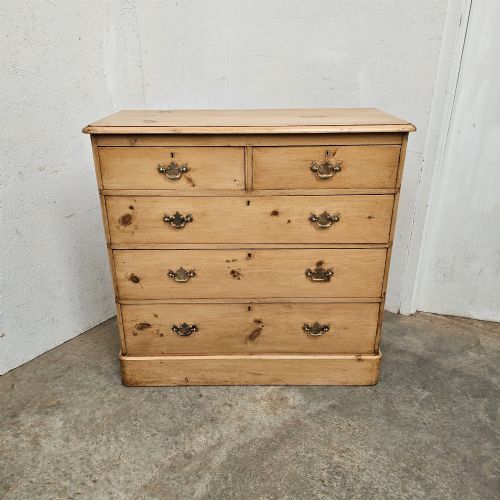
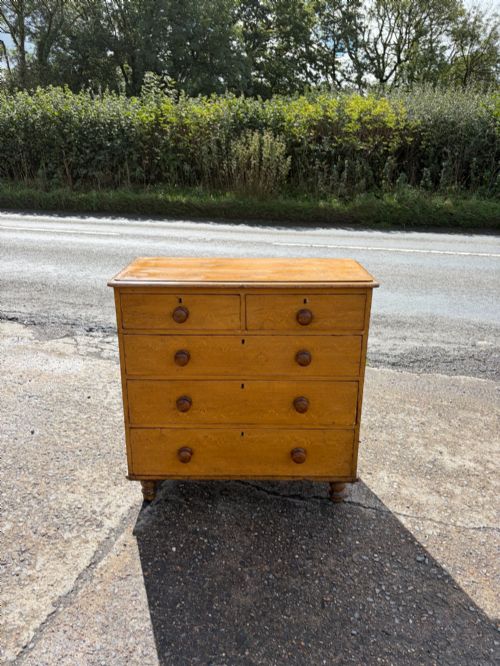
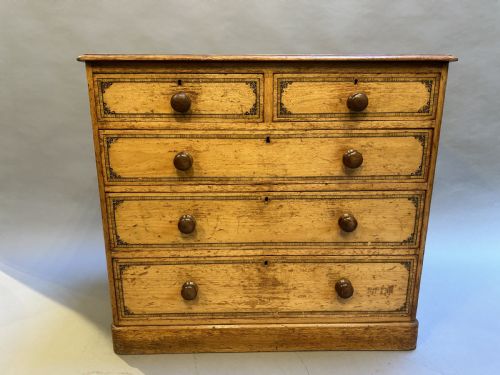
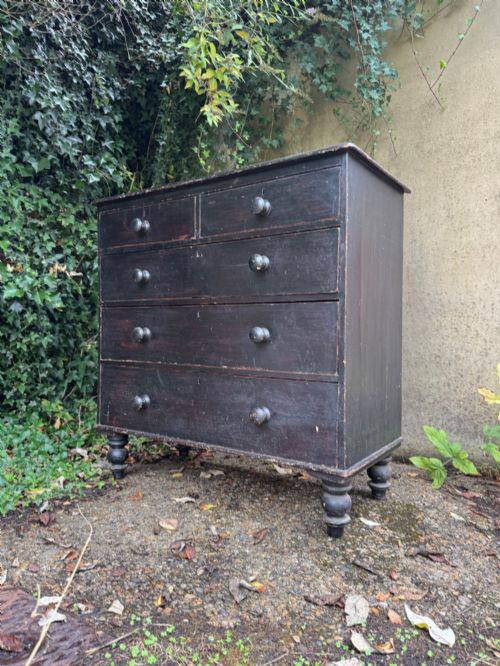
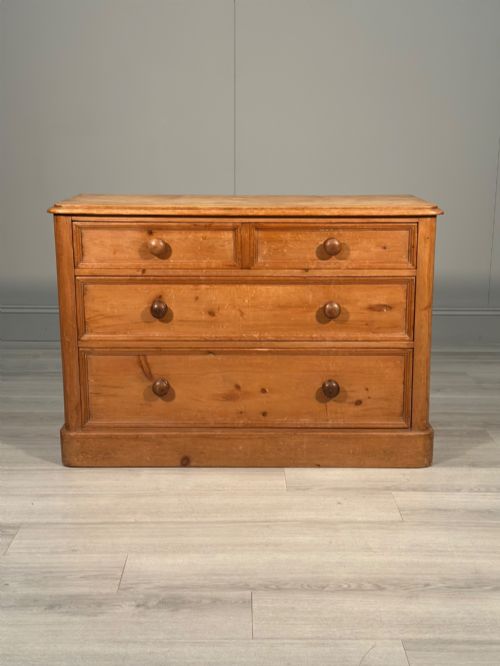
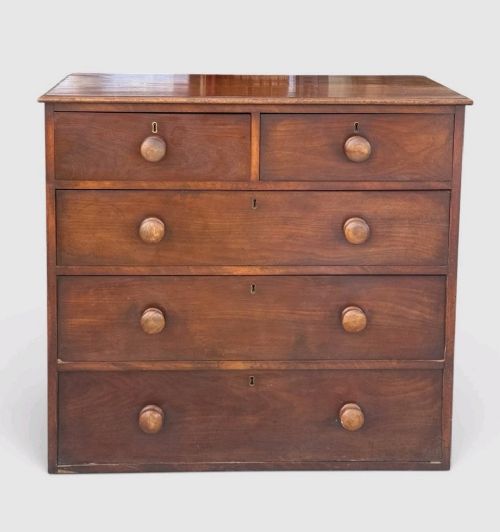
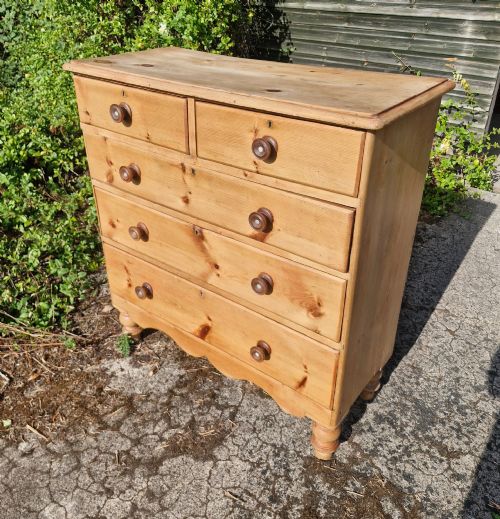
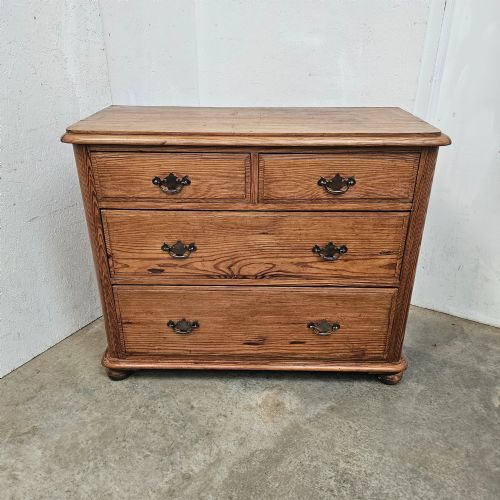
Makers often constructed these items with straightforward drawer arrangements, such as two short drawers over three long ones. The surviving examples reflect decades of domestic service, retaining the proportions intended for period sleeping quarters.
Materials and construction
Makers utilised pine as the primary timber, occasionally selecting pitch pine or oregon pine for density and grain character. Surfaces frequently show layers of original paint, brown scumble paint, or wax finishes applied to protect the soft wood.
Hardware typically includes brass pulls, iron fittings or turned wooden bun handles secured to the drawer fronts. Joinery relied on traditional carpentry methods suitable for daily operation in domestic chambers.
Some nineteenth-century makers went to great lengths to carve ordinary pine into convincing bamboo stalks, satisfying a Victorian obsession with exotic flora.
Assessing the craftsmanship
Quality rests upon the integrity of the original surfaces, distinguishing untouched painted or waxed finishes from later stripping or repainting. Well-preserved pieces retain their original handles, locks and structural soundness without excessive timber replacement.
The refinement of the joinery and stylistic flourishes, such as faux bamboo turnings or Aesthetic Movement detailing, separate standard utilitarian storage from more considered cabinet work. Proportion and the careful selection of knot-free or attractively figured pine further elevate a piece.
The Pine Bedroom Storage Chest Glossary
- Pine
- A softwood derived from coniferous trees, widely utilised for domestic furniture due to its availability and workability. It takes wax and paint finishes readily.
- Scumble paint
- A translucent glaze technique applied over a lighter base coat to imitate grain patterns or create mottled textures. It was common on late Victorian and Edwardian pieces.
- Bun handle
- A turned, circular wooden knob resembling a small bun, fastened to drawer fronts. These appear frequently on Victorian chests.
- Faux bamboo
- Wood carved or turned to imitate the segmented stalks of natural bamboo. This decorative motif gained popularity during the nineteenth century.
Pine Bedroom Storage Chest: Frequently Asked Questions
How do I date a pine chest?
Dating relies on construction methods, hardware types and overall style markers such as Victorian proportions or Georgian bracket feet.
Secondary clues include the presence of original paint finishes, backboard construction and the type of handles fitted to the drawers.
Are these chests suitable for modern bedrooms?
These chests offer generous internal capacity for contemporary clothing and linen storage while introducing period character to a room.
Their varied widths and depths allow them to fit into spaces ranging from compact guest rooms to large master suites.
What is the difference between waxed and painted finishes?
Waxed finishes penetrate the soft pine grain to highlight natural knots and warm tones through gentle buffing.
Painted surfaces, including original scumble or historic coats, provide a protective skin of colour that records the decorative preferences of the period.
How should I care for antique pine?
Maintenance involves dusting with a soft cloth and occasionally applying traditional beeswax to nourish dry timber.
Keep the wood away from direct heat sources and strong sunlight to prevent warping and preserve the integrity of the finish.