

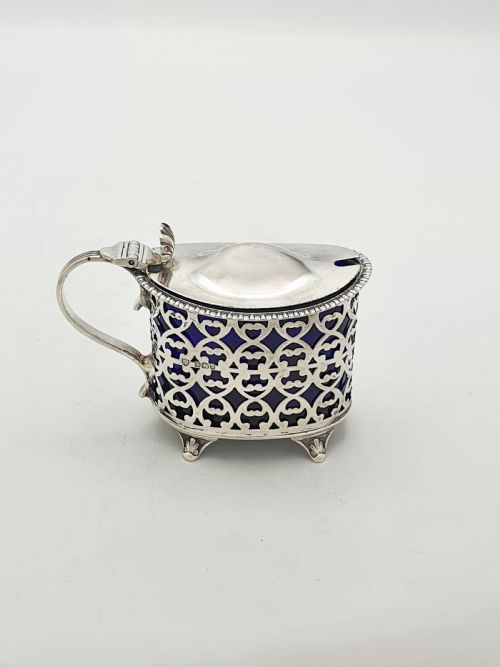


Pierced Silver Pot
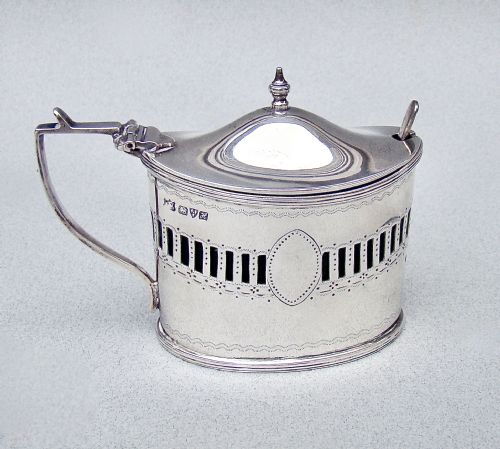
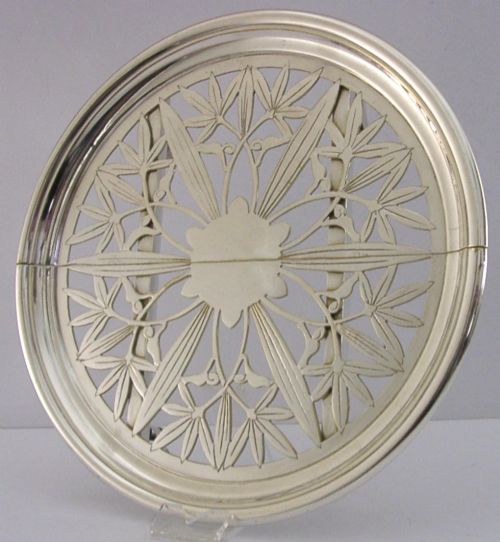
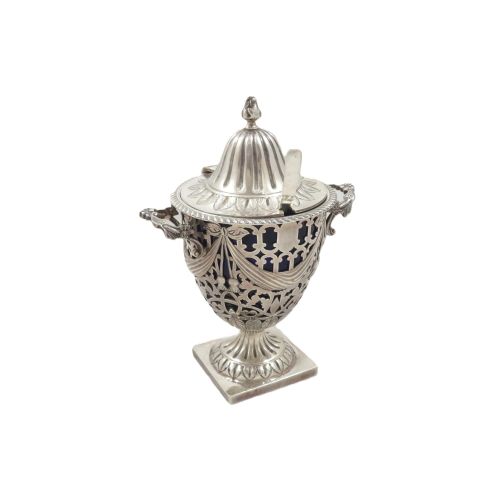
When you search for a pierced silver pot, you are looking at functional tableware and desk accessories designed with intricate openwork.
Pierced Silver Pot
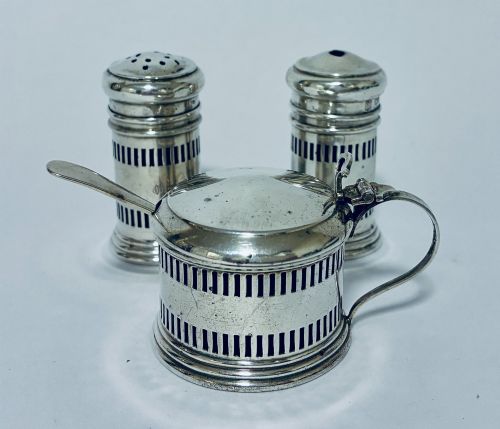
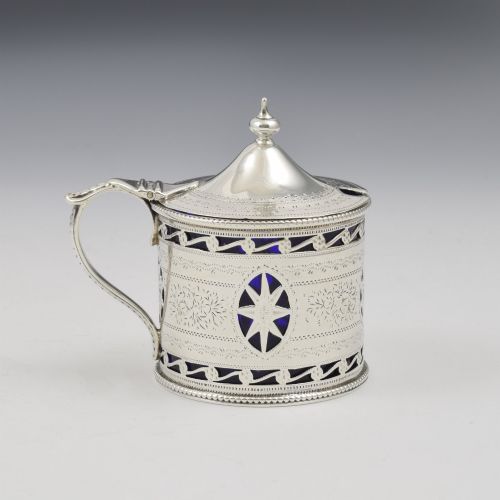
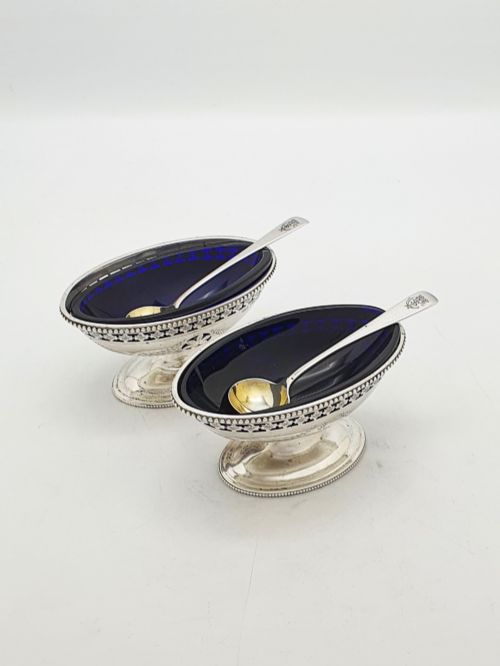
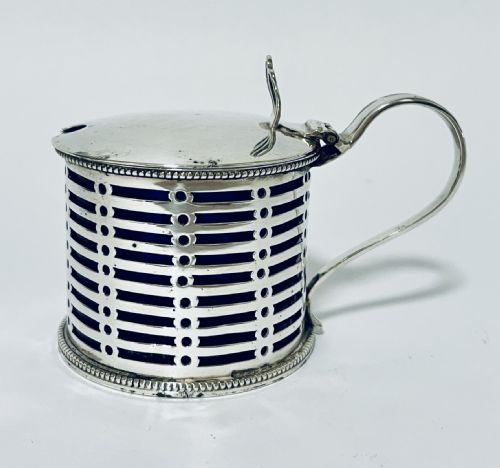
Makers shaped these vessels into drums, urns, and oval forms, frequently housing contrasting liners inside the openwork lattice. Glass liners in cobalt blue, cranberry red, and clear glass show the inner colour through the pierced metal exterior.
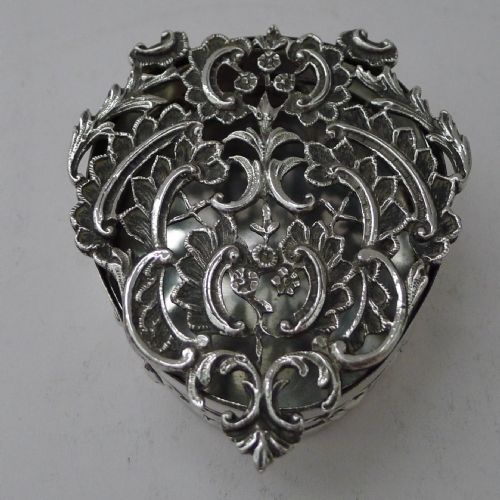
Beyond mustard pots, the selection includes pepper pots, sugar baskets, and desk accessories like pounce pots and lavender boxes. These domestic objects combined decorative refinement with practical service across the nineteenth and early twentieth centuries.
What varies in quality
The standard of these pieces depends upon the crispness of the piercing and the weight of the silver used in the body. Heavier gauge metal retains its structural integrity better over time, keeping the delicate fretwork true and resisting distortion.
The distinction between standard commercial output and workshop masterwork lies in the detail of the engraving and the integration of the glass liner. Pieces bearing the marks of prominent makers demonstrate superior hand-chasing and balanced proportions.
Victorian silversmiths occasionally hid tiny cherubs and chirping birds among the floral lattice of a humble mustard pot.
Alfred Marston·Nathan & Hayes·Walker & Hall·William Comyns·James Goodwin·Robert Hennell I·Omar Ramsden·Charles Stuart Harris·William Hutton & Sons·The Atkin Brothers·The Haseler Brothers·Joseph Rodgers & Sons·Goldsmiths & Silversmiths Co
The Pierced Silver Pot Glossary
- Piercing
- Cutting decorative openings through metal sheet to create patterns and let light pass through. This technique defines the openwork lattice common on mustard pots and baskets.
- Pounce pot
- A small shaker used to sprinkle gum sandarac powder over writing paper to prepare the surface for ink. They often feature pierced lids.
- Pot pourri
- A mixture of dried petals and spices kept in a container to perfume a room. The boxes and baskets made for this purpose feature pierced lids to release the scent.
- Cruet set
- A matched group of bottles or pots for holding condiments like mustard, pepper, and vinegar at the dining table. They frequently sit within a silver stand or frame.
- Assay office
- An official body that tested precious metals and stamped items with hallmarks to guarantee the purity of the silver. Towns like London, Chester, Sheffield, and Birmingham operated these offices.
Pierced Silver Pot: Frequently Asked Questions
What was a pierced silver pot used for?
These vessels served various domestic purposes, primarily holding table condiments such as mustard or pepper during meals. Others functioned as decorative containers for dried herbs and pot pourri to fragrance rooms.
Desk accessories like pounce pots held powder for preparing parchment or paper for writing. Their pierced designs allowed scents to diffuse or contents to be sprinkled evenly.
How do I identify the date of a silver pot?
English silver carries hallmarks stamped directly into the metal, which include a maker's mark, a lion passant indicating sterling standard, and a date letter corresponding to a specific year. Assay office marks from London, Chester, or Sheffield provide further geographic context.
Comparing the style of the piercing and the overall form against known periods like the Victorian or Edwardian eras helps confirm the production timeframe.
Are glass liners original to these pots?
Many surviving mustard pots and salt cellars retain their original cobalt blue, cranberry, or clear glass liners. Because glass is fragile, replacements are common in the antique market.
A liner that fits snugly and matches the period colour palette supports the authenticity of the piece.
How should I clean pierced silver?
Clean sterling silver pots with a soft cloth and a reputable silver polish formulated to preserve delicate work. Avoid harsh chemical dips that can strip the natural patina from recessed areas.
Remove glass liners before cleaning to wash them separately in warm soapy water.