



Pierced Brass Fireplace Accessory
A pierced brass fireplace accessory brings warmth and polished metalwork to a hearth, offering both utility and decorative presence.
Pierced Brass Fireplace Accessory
A pierced brass fireplace accessory encompasses items designed for hearth use, ranging from fenders and footmen to trivets and fire screens. These pieces serve functional roles around the fire while introducing polished metal surfaces into the room.
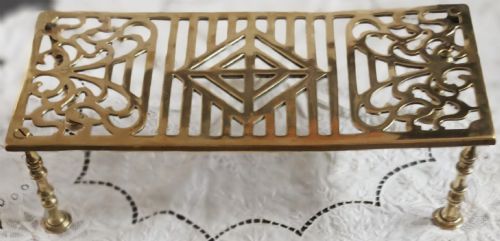
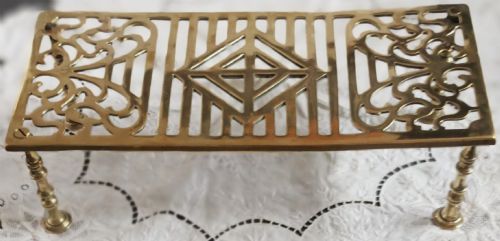
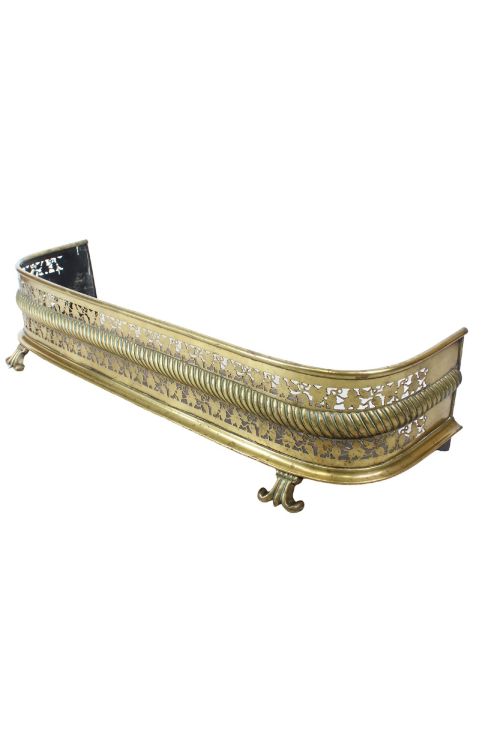
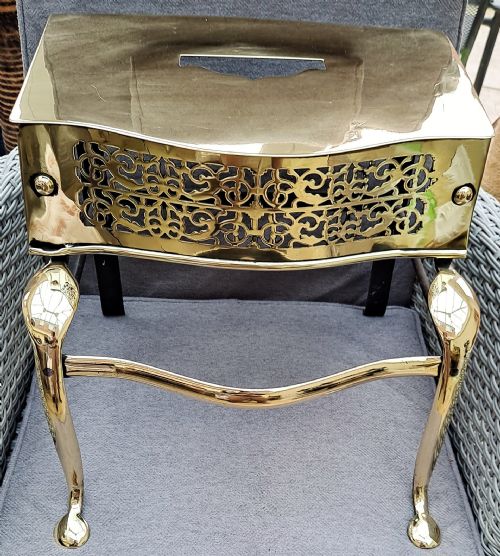
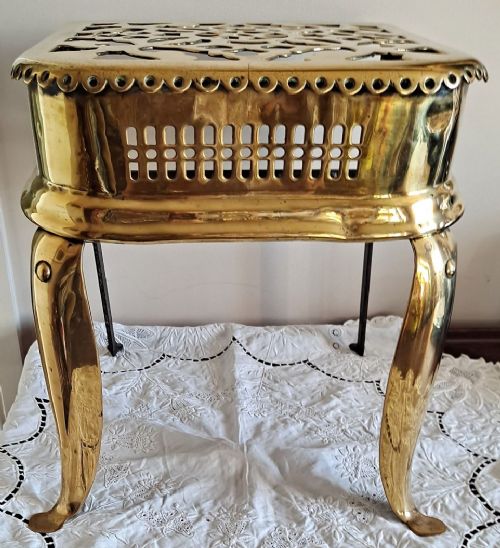
The version most commonly met on this page is the brass fender or footman, often featuring detailed piercing along the metal border. Such items date predominantly from the nineteenth century, reflecting Victorian and Georgian domestic interiors.
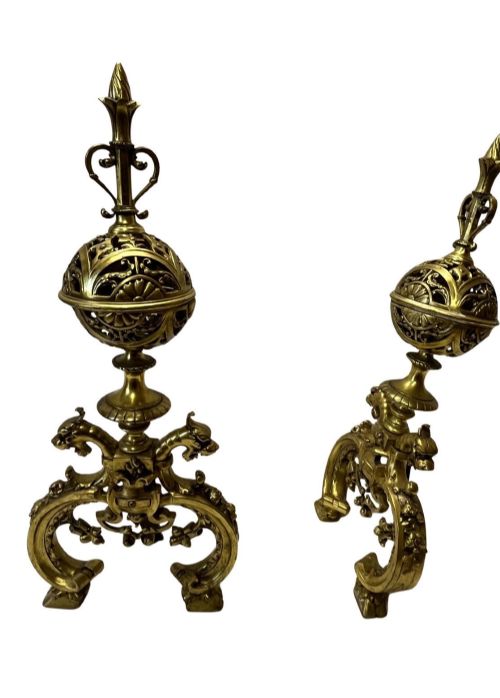
Makers utilised brass alongside iron, steel, and occasionally oak to build sturdy hearth equipment that withstood daily heat and movement. Objects span styles from English country and Regency to French Rococo and Arts and Crafts.
How they were made
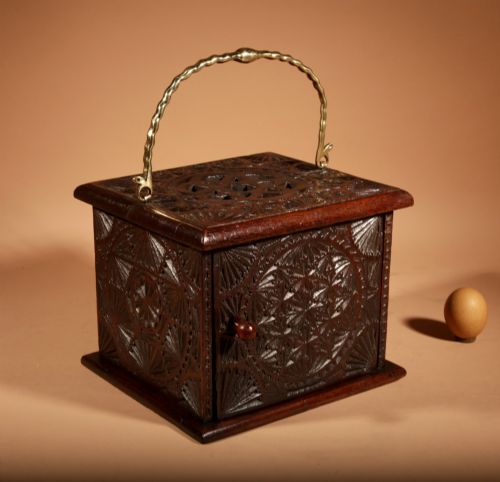
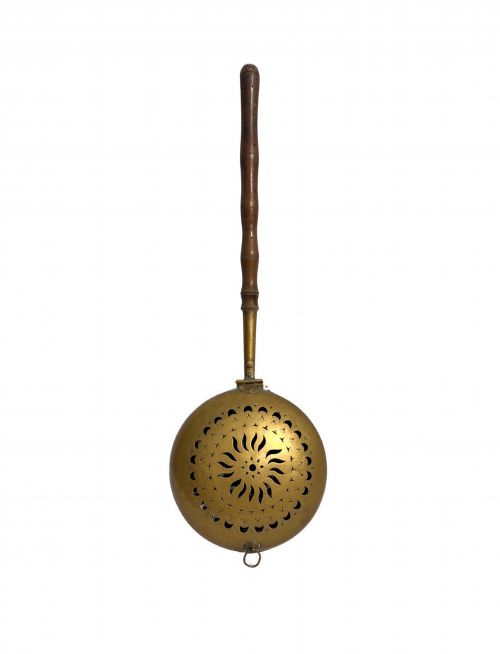
Materials combine brass with polished steel, cast brass, and iron to balance decorative front panels with robust internal frames. Wood and oak appear on specific items like foot stoves.
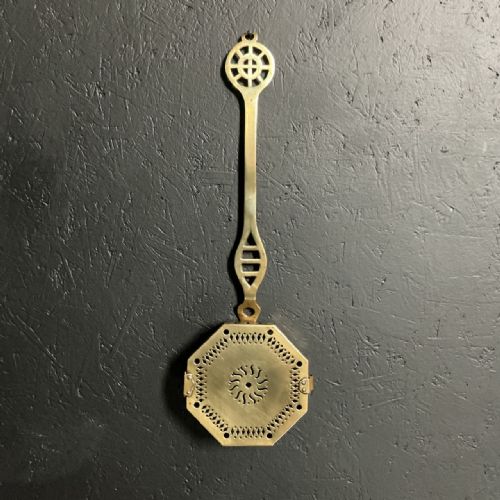
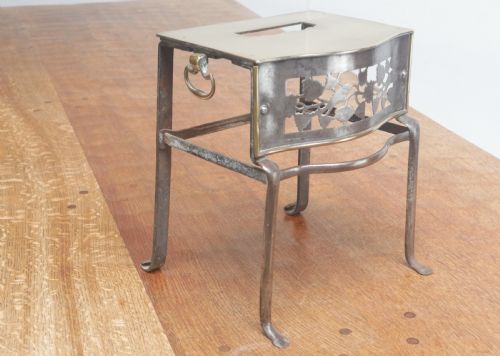
Craftsmen pierced sheet brass by hand or with early mechanical aids to create openwork patterns such as flowers and starbursts. Frames incorporate riveted joints, turned handles, and heavy footings suited to hearth environments.
Pierced Brass Fireplace Accessory Retail Price Guide 2026
Typical asking prices for pierced brass fireplace accessory among the pieces listed under this phrase on Sellingantiques today, from the lower quarter to the upper quarter. They describe what is for sale here now, not the wider market.
Listings feature materials spanning brass, steel, iron, gunmetal, and oak across Victorian, Georgian, and Regency periods.
What varies in quality
Quality separates through the crispness of the pierced metalwork and the weight of the brass used in the body. Finer examples display cleanly cut apertures and well-finished edges rather than hurried punching.
The integration of materials dictates distinction, as better sets combine solid brass fittings with substantial steel tools or heavy cast components. Original pairing within companion tool sets and matching surface patination elevate the standing of a piece.
The Pierced Brass Fireplace Accessory Glossary
- Fender
- A low metal guard placed around the hearth to contain ash and sparks. These items range from simple low rails to heavily pierced Victorian designs.
- Footman
- A metal stand used for keeping food warm by the fire. They typically feature four legs and a flat top plate.
- Trivet
- A small three-legged or four-legged stand placed near the fire to support kettles or warming vessels. Edwardian and Georgian examples often incorporate pierced brass tops.
- Companion set
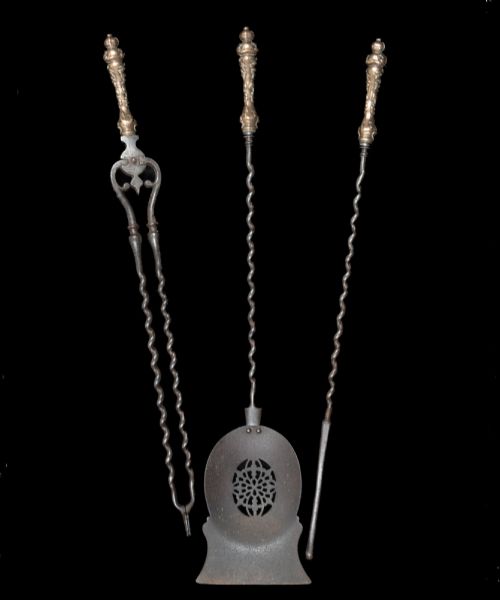
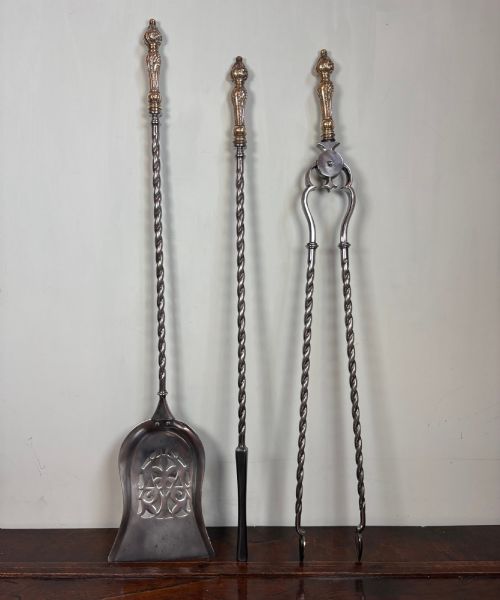
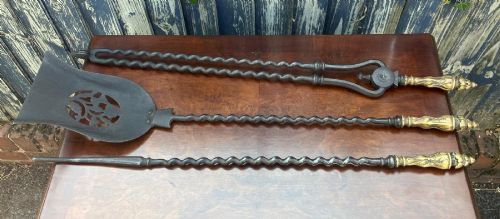
- A matched collection of fireplace tools including a shovel, poker, and tongs. These sets sit together in stands or hang from dedicated hearth furniture.
- Fire screen
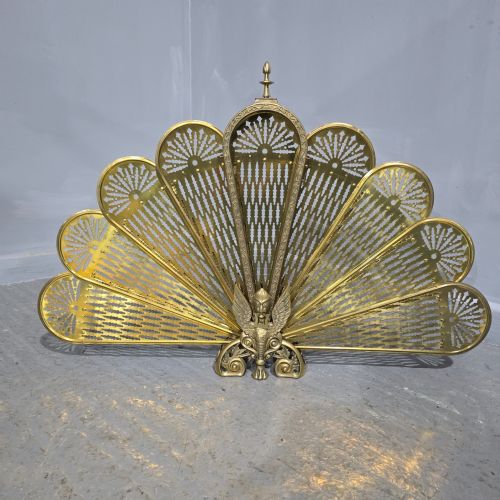
- A decorative barrier placed in front of the fireplace opening when the fire is unlit. Common variations include folding brass peacock designs and gilt bronze frames.
Pierced Brass Fireplace Accessory: Frequently Asked Questions
What is a footman used for?
A footman stands near the hearth to support kettles or keep dishes warm close to the fire. They were essential pieces of kitchen and parlour equipment before fitted ranges.
Over time, their role shifted toward decorative metalwork, though the sturdy iron and brass construction remained functional for daily hearthside use.
How do I clean pierced brass?
Cleaning pierced brass requires gentle removal of soot and dust using a soft brush rather than abrasive pads. This preserves the definition of the cut patterns.
Traditional metal polishes applied sparingly maintain the brightness without wearing down the original edges of the pierced sheet metal.
How do I date a brass fender?
Dating a brass fender involves examining the weight of the metal, the style of the feet, and the method of assembly. Georgian and Regency pieces often show simpler geometric piercings.
Victorian and later nineteenth-century examples frequently display more elaborate floral or starburst motifs alongside cast iron internal framing.
Are fire tools usually sold as sets?
Fire tools appear both as individual implements and as matched companion sets containing shovels, pokers, and tongs. Complete sets often share specific handle designs.
Matching sets from the nineteenth century bring a unified appearance to the hearth, combining brass handles with steel shafts.