

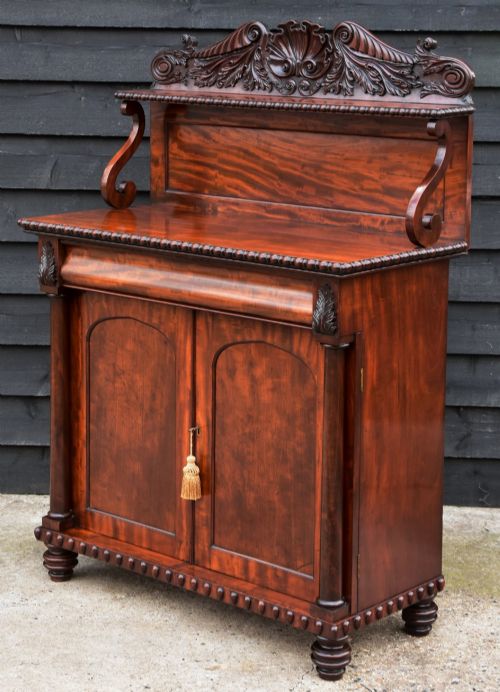
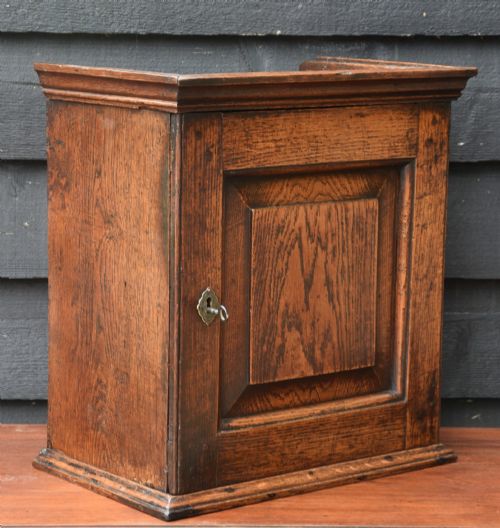
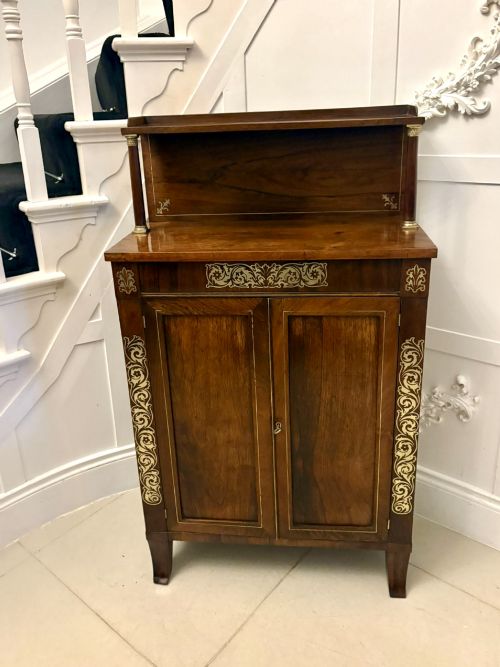
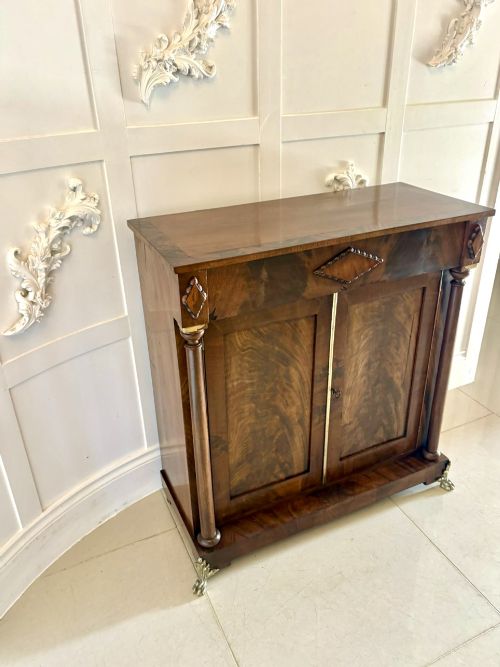


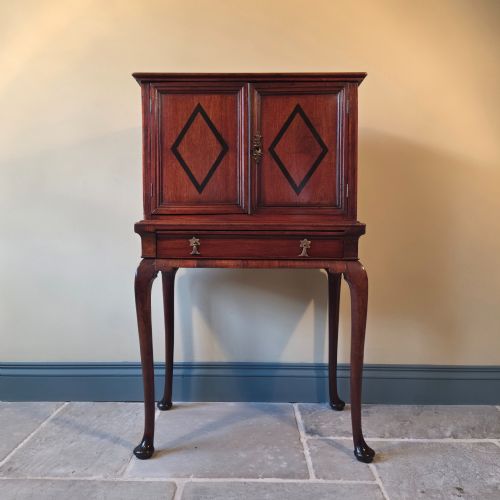

Period Wooden Cupboard
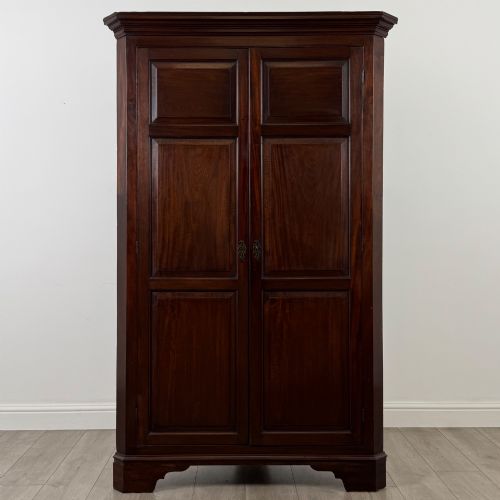
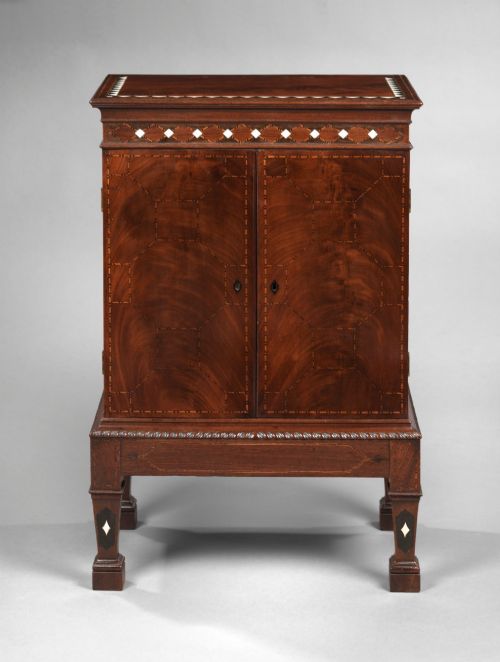
A period wooden cupboard offers enduring storage through centuries of craftsmanship, spanning robust oak and figured mahogany.
Period Wooden Cupboard
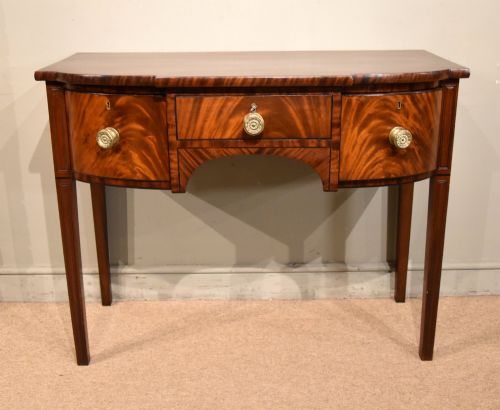
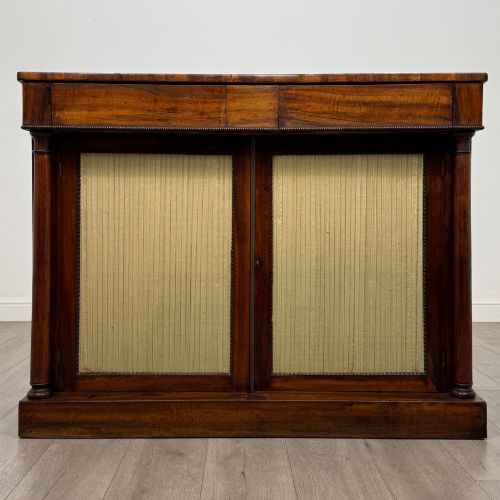
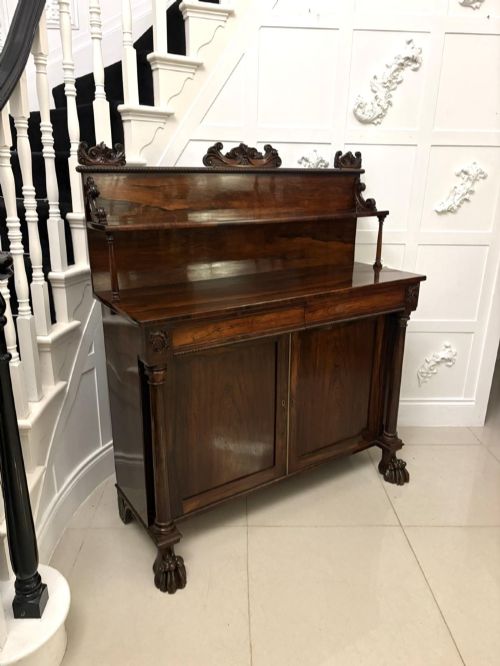
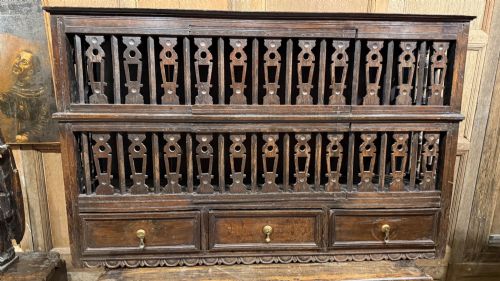
A period wooden cupboard encompasses various utilitarian and display forms designed for domestic storage across distinct historical eras. These pieces range from substantial 17th-century oak hanging cupboards and provincial French fruitwood storage to refined Regency mahogany side cabinets and chiffoniers.
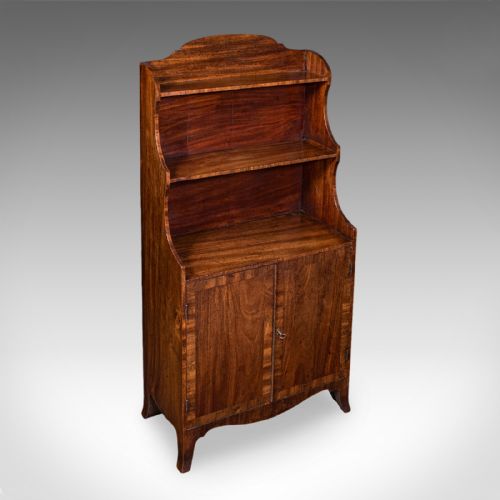
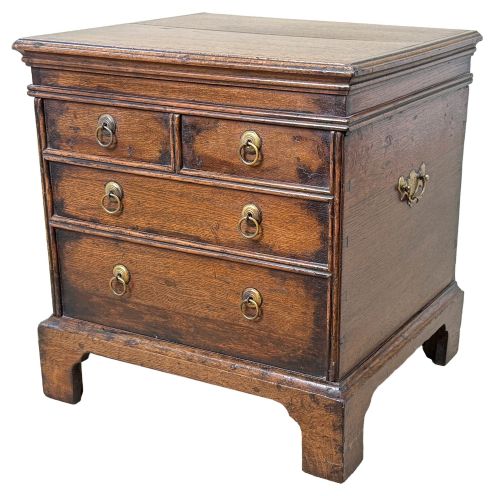
Buyers encountering this selection will most frequently find Georgian and Regency iterations constructed from mahogany, alongside robust early oak examples. Forms vary from corner cabinets and linen presses to specialised items such as collector's cabinets and bedside chests.
Origins stretch from English country houses to continental European workshops and Japanese Meiji period tansu chests. Each piece reflects the domestic requirements and prevailing aesthetic of its specific century.
Materials and construction methods
Cabinetmakers utilised dense hardwoods including mahogany, flame mahogany, oak, walnut, and rosewood, frequently selecting figured veneers for visual depth on Regency and Georgian surfaces. Secondary woods provided structural stability within carcases, while specialised creations incorporated exotic timbers such as goncalo alves and amboyna.
Joinery techniques relied on traditional framing, panel construction, and dovetailing appropriate to each century, from rustic pegged joints on early oak to precise veneering on later pieces. Metalwork components, including brass handles, escutcheons, and occasional brass inlay, accented the timber surfaces.
Surface treatments preserved the natural grain through polishing and waxing, though certain pieces featured specialised additions such as silk-panelled doors or fabric inserts. Construction prioritized functional durability alongside stylistic elegance.
Period Wooden Cupboard Retail Price Guide 2026
Typical asking prices for period wooden cupboard among the pieces listed under this phrase on Sellingantiques today, from the lower quarter to the upper quarter. They describe what is for sale here now, not the wider market.
An eighteenth-century close stool masquerades as a charming bedside chest, proving historic practicality possessed a robust sense of discretion.
Assessing craftsmanship and finish
Quality rests upon the selection and matching of timber veneers, particularly on Regency flame mahogany and figured surfaces where grain pattern dictates visual harmony. Superior examples display meticulous attention to proportion, timber selection, and cabinetmaking precision.
The integrity of original brass hardware, internal shelving, and operational door mechanisms distinguishes finer items from altered or heavily restored pieces. Structural honesty and the preservation of patination through centuries of use separate standard utility items from exceptional cabinetwork.
The Period Wooden Cupboard Glossary
- Chiffonier
- A low cabinet or sideboard developed during the Regency period, typically featuring enclosed shelving below and sometimes a raised back or superstructure. They often utilised flame mahogany or rosewood with brass details.
- Tansu
- A traditional Japanese mobile storage chest utilising woods such as elm, keyaki, or cedar, constructed for domestic organisation. These pieces frequently incorporate multiple drawers and sliding panels.
- Linen Press
- A tall wardrobe or cupboard designed primarily for storing textiles and linens, featuring sliding trays or shelves behind upper doors. Georgian and Regency examples often displayed high-grade mahogany veneers.
- Commode
- A small low chest or cabinet with drawers or doors, popular in the 18th century for domestic chambers. Tray top variations provided a raised edge to contain objects.
Period Wooden Cupboard: Frequently Asked Questions
How do I date a wooden cupboard?
Dating relies on examining the timber species, joinery methods, hardware, and stylistic traits associated with specific periods like the Georgian or Regency eras.
Early pieces utilise solid oak with hand-cut joints, whereas 19th-century examples frequently feature mahogany veneers and machine-assisted precision.
Are Japanese tansu chests cupboards?
Japanese tansu chests function as traditional mobile storage units with drawers and sliding doors, serving a similar domestic purpose to Western cupboards.
Built from woods like elm and keyaki, they offer modular organisation with distinctive forged iron hardware.
How should I care for antique wood?
Maintain antique wood by keeping pieces away from direct heat sources and fluctuating humidity levels to prevent timber splitting or veneer lifting.
Apply traditional beeswax polish sparingly to preserve the natural finish and feed the historic surface patination.