



Period Wood Stool
These period wood stool examples span centuries of craft, offering solid timbers and honest seats that ground a room with straightforward utility.
Period Wood Stool
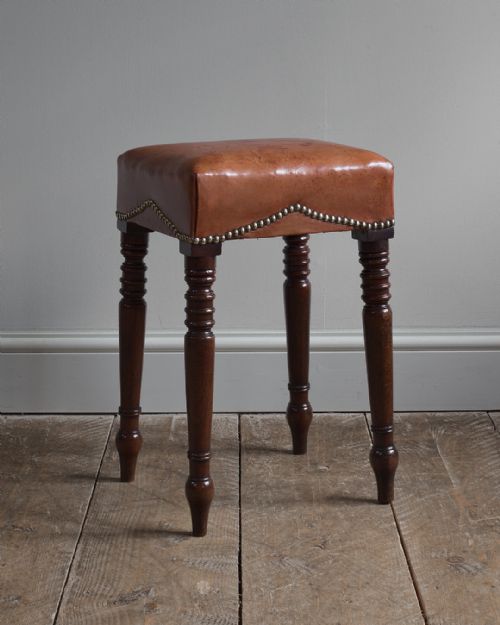
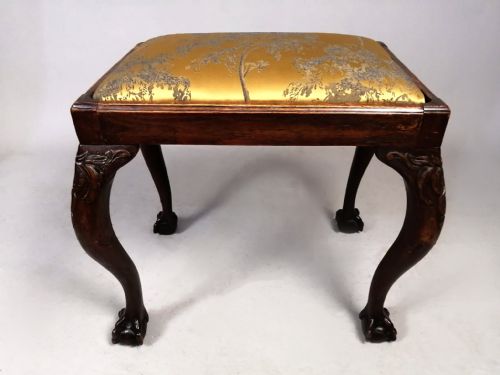
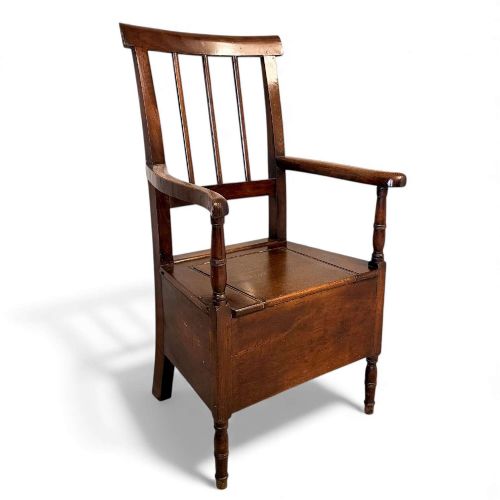
A period wood stool brings functional seating and low occasional staging into a room, drawing on forms developed across the seventeenth, eighteenth, and nineteenth centuries. When searching for a period wood stool, buyers encounter joint construction, carved cabriole legs, and simple turned supports.
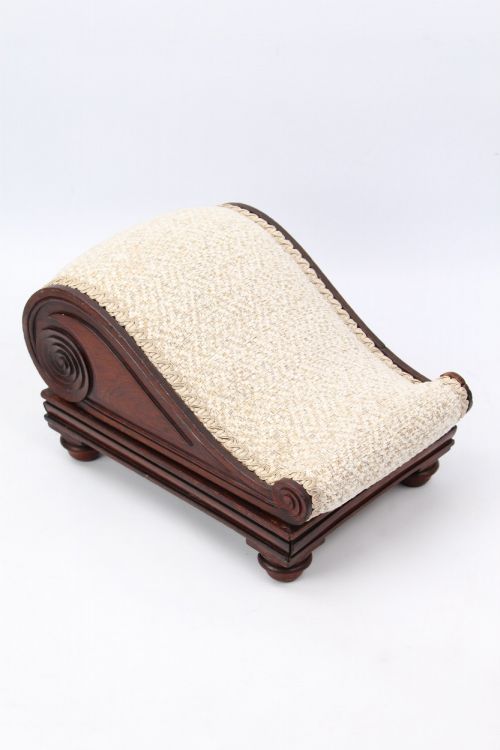
The selection ranges from early oak joint stools to eighteenth-century Irish elm designs and nineteenth-century footstools. Oak, mahogany, elm, and cedar dominate the physical forms, often paired with traditional fabric or silk upholstery.
How they were made
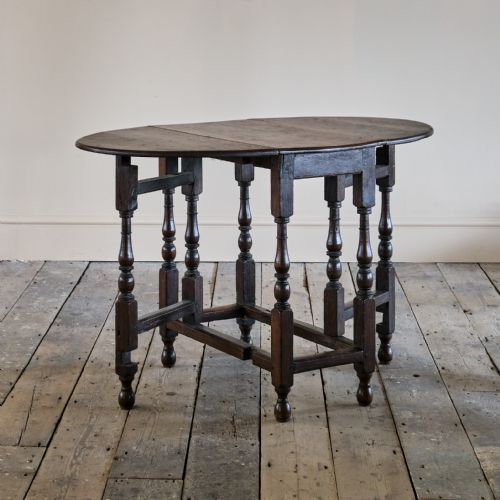
Joinery defines the construction of these pieces, utilising traditional pegged joints, mortise and tenon frames, and turned wooden stretchers. Carpenters selected dense native hardwoods like oak and elm to ensure the frames withstood daily weight.
Carving and ebonising appear on select surfaces, while marble tops and silk or fabric pads introduce contrasting textures to the timber frames. Finishing techniques relied on natural waxes and oils to protect the wood while preserving the grain.
Period Wood Stool Retail Price Guide 2026
Typical asking prices for period wood stool among the pieces listed under this phrase on Sellingantiques today, from the lower quarter to the upper quarter. They describe what is for sale here now, not the wider market.
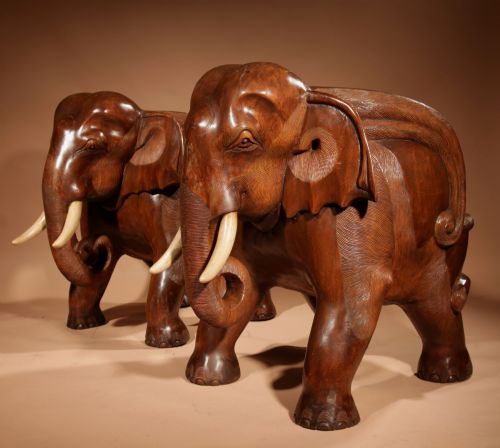
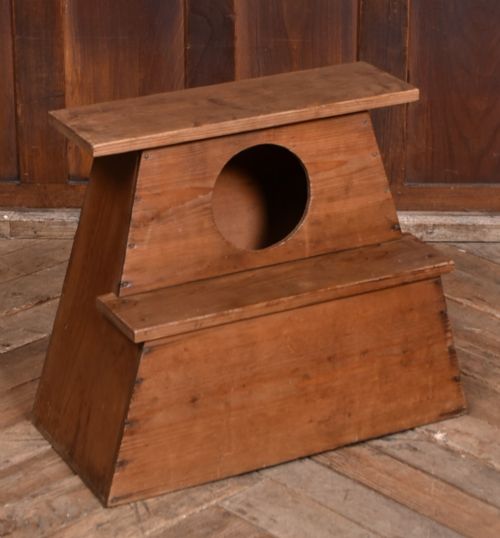
Styles span Jacobean, Regency, George II, and Japanese folk art influences.
What varies in quality
Timber selection and structural integrity separate standard examples from finer works, particularly where grain figure and original joinery remain undisturbed. The depth of hand-carved detail on legs and rails indicates the skill invested by the original maker.
Surface preservation plays a critical role, as untouched historic patina carries more integrity than stripped or heavily restored timber. The harmony of proportions between the seat and the support frame dictates the visual balance of each piece.
I.M. Gillows of Lancaster
The Period Wood Stool Glossary
- Joint stool
- A wooden stool constructed with pegged mortise and tenon joints rather than turned legs alone, common in seventeenth-century domestic interiors.
- Cabriole leg
- A furniture leg that curves out and then in, resembling the leg of an animal, frequently seen on eighteenth-century seating.
- Ebonisation
- A chemical or staining process used to darken light hardwoods like elm or fruitwood to imitate ebony.
- Stretcher
- A horizontal wooden brace connecting the legs of a stool or chair to provide structural rigidity.
- Patina
- The surface sheen and colour developed on wood over decades of handling, exposure to light, and polishing.
Period Wood Stool: Frequently Asked Questions
How do I date a wood stool?
Dating relies on examining the tool marks, construction methods, and timber species used in the frame. Seventeenth-century pieces typically show heavy oak framing with pegged joints, whereas later nineteenth-century examples incorporate softer turnings and varied hardwoods.
Secondary woods and wear patterns around the feet also help determine the age of the piece. Comparing the joinery style to known dated examples remains the most reliable method for establishing an accurate period.
Were joint stools used for sitting?
Joint stools served multiple purposes in early households, functioning primarily as seating at the dining table or as small side surfaces. Their robust pegged construction allowed them to withstand heavy daily use by family members and servants alike.
Over time, their role shifted as upholstered chairs became common, leading to their survival primarily as decorative side stands or occasional seats.
How do I care for antique wood?
Maintaining antique wood requires keeping pieces away from direct heat sources and rapid humidity changes that can cause timber to split. Applying microcrystalline wax occasionally helps protect the surface without building up excessive residue.
Avoid using modern silicone-based polishes, as they penetrate the grain and alter the historic patina. Gentle dusting with a dry, soft cloth is sufficient for routine maintenance.
What is an elm stool?
Elm timber was frequently chosen for stool seats due to its interlocking grain, which resists splitting when subjected to downward pressure. Cabinetmakers often paired elm seats with oak or ash legs to create a sturdy, contrasting structure.
This wood species yields a distinct, rippled grain pattern that deepens in colour and warmth over centuries of handling.