




Period Wing Chair
A period wing chair brings draught-defending high sides and traditional seating into a room.
Period Wing Chair
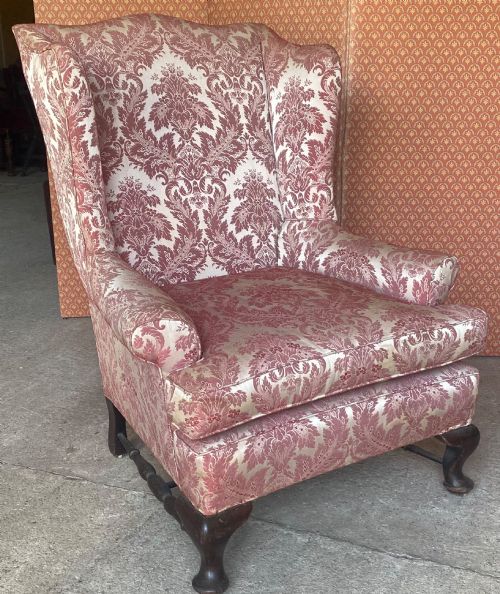
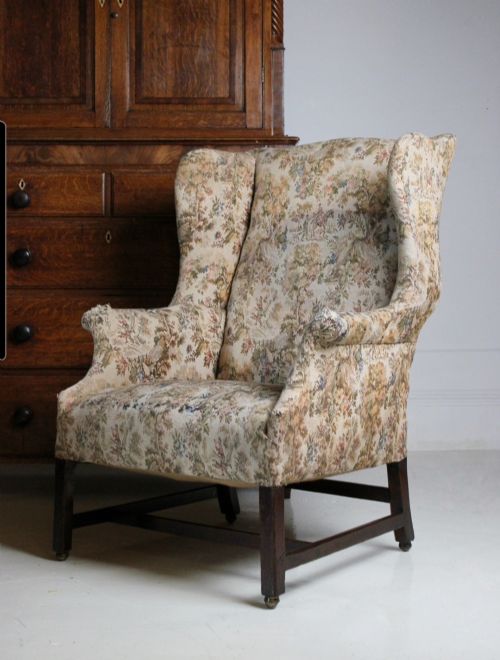
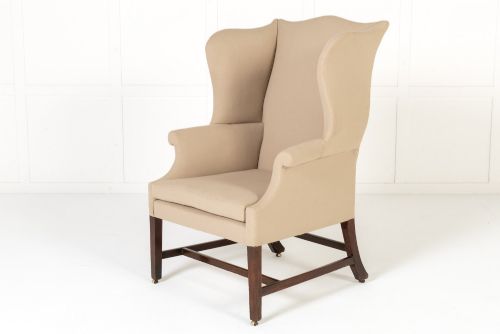
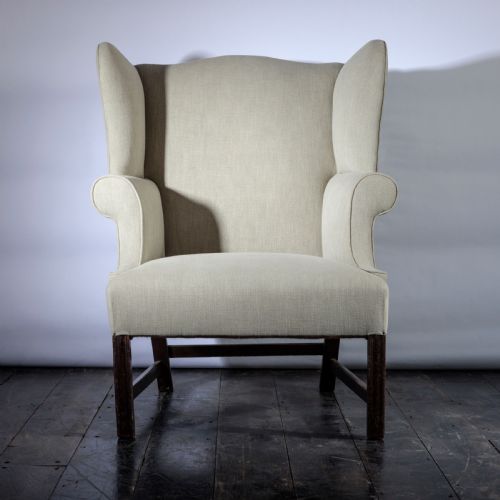
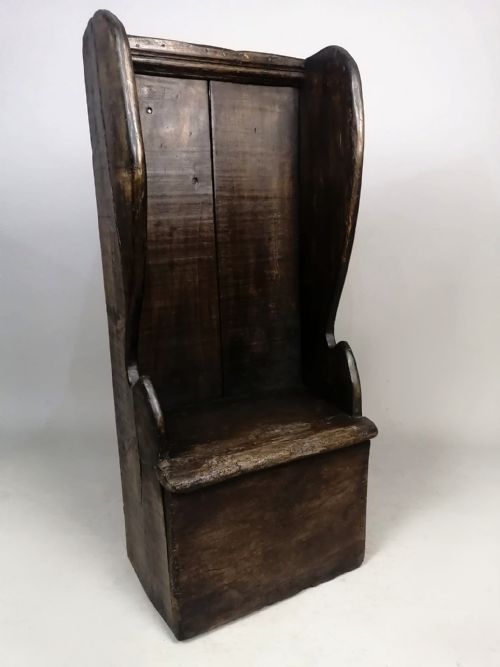
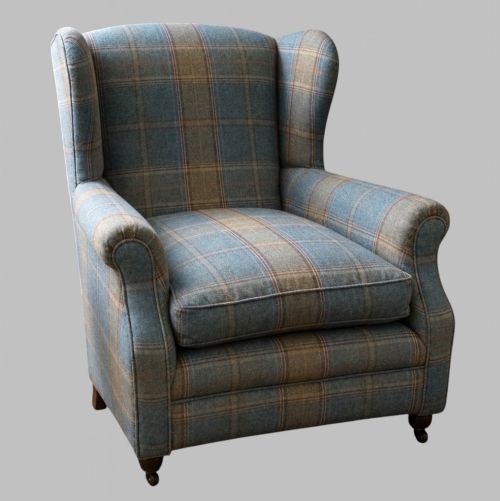
A period wing chair is a high-backed armchair designed with protective side panels, known as wings, originally intended to shield the sitter from draughts near a fireplace. These pieces emerge across several centuries, spanning seventeenth-century vernacular forms through eighteenth-century Georgian designs to Edwardian and later revivals.
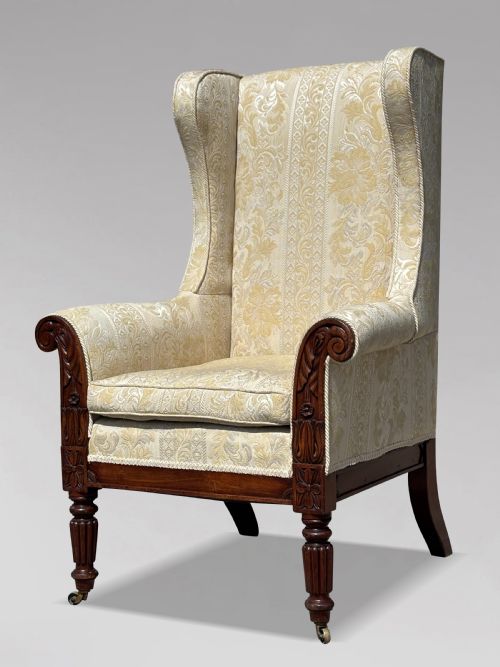
The version most commonly met on this page is the eighteenth-century mahogany or walnut wing chair, often bearing George III characteristics or substantial proportions suited to English country house interiors. Alongside these, buyers find Edwardian interpretations, William IV mahogany examples, and occasional walnut pairs from the nineteen-twenties.
Construction forms vary from substantial fruitwood lambing chairs of the seventeen-eighties to barrel back armchairs and deep buttoned leather gentleman's chairs. Many examples arrive upholstered in modern cottons, linens, damask fabrics, calico, or velvet, while others wait for re-upholstery.
Materials and construction
Frames are built primarily from native hardwoods such as mahogany, walnut, fruitwood, and oak, joined through traditional cabinet-making methods to support the high back and structural wings.
Upholstery relies on traditional stuffing techniques secured beneath textiles like leather, velvet, damask, calico, and linen, often finished with brass nail detailing along the wooden framework.
Period Wing Chair Retail Price Guide 2026
Typical asking prices for period wing chair among the pieces listed under this phrase on Sellingantiques today, from the lower quarter to the upper quarter. They describe what is for sale here now, not the wider market.
The listings here span eight distinct periods, reaching from the seventeenth century through Georgian and Edwardian eras up to nineteen-thirty.
Assessing quality
The distinction between tiers rests upon the integrity of the underlying wooden frame and the proportion of the high wings relative to the seat depth. Early framework showing minimal alteration commands greater attention than heavily restored structures.
The quality of the timber grain, particularly in mahogany and walnut iterations, dictates the piece's visual weight. Finer examples retain their original structural timber without extensive replacement of the legs or stretchers.
George Montague Ellwood
The Period Wing Chair Glossary
- Wingback
- An armchair design featuring projecting side panels attached to the arms and back to block cold air. These wings also helped trap heat from an open fire around the person sitting.
- Lambing chair
- An early vernacular wooden armchair featuring a high back and hooded or winged sides. These primitive seats date back to the seventeenth century.
- Bergère
- An enclosed armchair with stuffed upholstery on a wooden frame, typically featuring woven cane panels on the sides or back. Edwardian makers produced several variations of this French style.
- Barrel back
- A seating form where the upholstered back curves continuously around to form the arms in a single rounded semicircle. This shape offers particularly enclosed comfort.
- George III
- A British design period spanning the late eighteenth century characterised by classical proportions and mahogany framing. Chairs from this era often display Marlborough or square tapered legs.
Period Wing Chair: Frequently Asked Questions
What is a period wing chair used for?
These chairs provide deep, upright seating designed to protect against drafts in large rooms.
Today, they function as fireside reading chairs or statement seating in traditional and contemporary interiors.
How do I tell an 18th-century wing chair from later copies?
Eighteenth-century examples show hand-cut joinery, native timber patination, and framing constructed without modern machine tools.
Revival pieces from the Edwardian era or the nineteen-twenties often display standardised internal framing methods and lighter woods.
Are these chairs comfortable for daily seating?
Many period examples feature deep springing and substantial padding that accommodates modern sitting habits.
Chairs listed as needing re-upholstery require new internal webbing and cushioning before regular use.
What fabrics are historically correct for wing chairs?
Original upholstery frequently involved leather, heavy wool damask, or woven velvet secured with brass tacks.
Contemporary listings often feature replacement covers in linen, cotton plaid, or calico.